

on January 15, 2026
If there's one thing that unites parents everywhere, it's the desire to keep their children healthy, happy, and resilient. A child's immune system is their personal fortress, constantly working to defend them against germs and illnesses. While we can't wrap them in a bubble, we can provide the essential building blocks for a strong defense: a diet rich in vitamins, minerals, and nutrients. Think of it as supplying the best materials to build the strongest walls.
The Unsung Heroes of a Child's Health: Vitamins & Minerals
When you're building a child's plate, you quickly learn what's essential and what's just for show. Key vitamins and minerals are firmly in the essential camp. They are the micronutrients that act as the immune system's support crew, each playing a critical role in keeping your child's defenses sharp and ready for action.
A balanced diet is the best way to deliver these nutrients. While a long sleeve onesie keeps a baby cozy on the outside, a nutrient-dense diet warms them up from the inside, providing the energy and tools their body needs to grow and thrive.
The Perfect Base for a Strong Immune System
Beyond just being practical, a diet full of whole foods is the foundation for lifelong health. On a chilly day, a warm, nutrient-rich meal provides comfort and boosts immunity. When the weather is milder, fresh fruits and vegetables keep them hydrated and full of energy.
Getting more nutritional value out of each meal is a huge win, especially when dealing with growing bodies and, sometimes, picky palates. For even more layering ideas for your child's wardrobe, check out our guide to baby footed onesies to see how different styles can work together.
It's no surprise that pediatricians everywhere recommend a food-first approach. It's become a cornerstone of children's health for a reason—it just works.
The science backs this up, too. A well-nourished immune system is more effective at fighting off common infections. This doesn't mean your child will never get sick, but it can mean fewer sick days and faster recoveries. While the infant apparel market, where parents often buy long sleeve onesies, is huge, investing in their nutrition provides benefits that last a lifetime.
Choosing The Right Foods For Your Child's Immunity
When you're picking out food for your child, the single most important thing to consider is nutrient density. A child’s body is growing at an incredible rate, and the fuel they consume really matters.
Think of it like choosing fabric for their clothes. Sometimes you want something light and breathable like cotton, and other times you need a warm, protective layer like fleece. The food you choose for your child has the same impact on their internal well-being, how well their body can function, and ultimately, how healthy they are.
For parents, it's a balancing act. You need food they'll actually eat, but it also has to be packed with the good stuff. Learn more about the importance of good fabrics in our guide to soft organic baby clothes.
Top Immunity-Boosting Nutrients & Foods
The world of nutrition can feel a little overwhelming, but boosting your child's immunity comes down to a few key players. Each one has its own unique role and can be found in delicious, kid-friendly foods.
- Vitamin C: This is the absolute workhorse of immune support. It's a powerful antioxidant found in citrus fruits (oranges, clementines), berries (strawberries, blueberries), bell peppers, broccoli, and kiwi.
- Vitamin D: Often called the "sunshine vitamin," it's crucial for immune function. Find it in fortified milk and yogurt, eggs, and fatty fish like salmon.
- Zinc: This mineral is essential for developing and activating immune cells. Good sources include lean meats, beans, nuts, and whole grains.
- Iron: Necessary for helping red blood cells carry oxygen, iron deficiency can weaken the immune system. Offer lean red meat, poultry, beans, and fortified cereals.
- Probiotics: These are the "good bacteria" that support a healthy gut, where a large part of the immune system resides. Plain yogurt, kefir, and fermented foods are great sources.
This diagram illustrates how different aspects of a child's care, from cozy clothing like a long sleeve onesie to a nutritious diet, contribute to their overall well-being.

As you can see, it's that perfect mix of external comfort and internal nourishment that helps a child thrive.
Comparing Key Immune-Boosting Foods
To make things a little easier, here's a quick-glance table comparing some top immunity-boosting foods. It’s a handy way to decide what to add to your grocery list.
| Food Group | Best For | Examples | Key Nutrients |
|---|---|---|---|
| Citrus & Berries | Vitamin C powerhouse, antioxidants, fighting off colds. | Oranges, strawberries, blueberries, raspberries. | Vitamin C, Fiber, Flavonoids. |
| Leafy Greens | All-around nutrient density, vitamins and minerals. | Spinach, kale, Swiss chard. | Vitamins A, C, K, Iron, Folate. |
| Yogurt & Kefir | Gut health, promoting healthy bacteria. | Plain Greek yogurt, low-sugar kefir. | Probiotics, Protein, Vitamin D, Calcium. |
| Lean Protein | Building blocks for immune cells, energy. | Chicken, fish (salmon), beans, lentils. | Zinc, Iron, Protein, Omega-3s. |
Ultimately, whether you go for the vitamin C punch of berries or the gut-friendly power of yogurt, the goal is to keep your child's immune system well-supplied and ready for action.
What To Consider for Your Family
There's a growing trend toward whole, unprocessed foods, and for good reason. Parents are more aware than ever of what they put into their children's bodies.
Thinking about nutrition goes beyond just meals. If you want to dive deeper into other aspects of baby care, this guide on finding the best blanket material offers some great insights that apply to all baby essentials.
How to Get the Good Stuff in Every Time
Let's be honest, getting a child to eat a perfectly balanced meal can feel like a guessing game. Their tastes change so ridiculously fast that a favorite food one week can be declared "yucky" the next. It's a common headache for parents, but I promise, there’s a better way than just crossing your fingers.

First things first: focus on consistency, not perfection. That "eat the rainbow" goal is more of a guideline than a strict rule. Your new best friend is a rotation of nutrient-dense foods you know they'll likely eat. For a complete breakdown of other childhood challenges like sizing, check out our guide on understanding children's clothing sizes.
Demystifying Mealtime for Picky Eaters
Think of smoothies and hidden-veggie recipes as your cheat sheet for a nutritional win. Instead of a battle over broccoli, you're using real food in a way that's delicious and easy for them to accept. A meal that's too challenging is just plain frustrating for everyone, while one that’s too plain might lack key nutrients.
Here’s a pro tip: make it fun. Use cookie cutters to make shapes, create colorful skewers, or let them "dip" veggies into hummus or yogurt. A little bit of creativity can go a long way.
Immunity-Boosting Smoothie Recipes
Okay, you’re ready to blend. Smoothies are a fantastic way to pack in fruits, veggies, and healthy fats.
- Sunshine Smoothie (Babies 6m+ & Toddlers): Blend 1/4 cup mango, 1/4 cup plain full-fat yogurt, a small handful of spinach, and a splash of water or breastmilk/formula until smooth. The spinach disappears into the sweet fruit!
- Berry Power Smoothie (Kids): Blend 1/2 cup mixed berries (frozen is great!), 1/2 banana, 1/4 cup milk (dairy or non-dairy), and 1 tablespoon of almond butter or chia seeds for a protein and fiber boost.
- Green Monster Smoothie (Adventurous Eaters): Blend 1/2 banana, 1/4 cup pineapple, a large handful of kale or spinach, 1/2 cup coconut water, and a scoop of plain Greek yogurt. It's surprisingly sweet and totally delicious.
A nutrient-rich meal is like a gentle hug for the immune system—it provides comfort and security without being restrictive. It lets your child run, play, and explore their world with a well-fueled body.
Easy Recipes for Picky Eaters
If there's one challenge that unites parents, it's navigating the picky eating phase. This isn't just another cute quirk; it’s a hurdle to getting those essential immune-boosting nutrients into their diet. With a little imagination, simple staples can be transformed into meals they'll actually eat, keeping your child healthy and ready for anything.
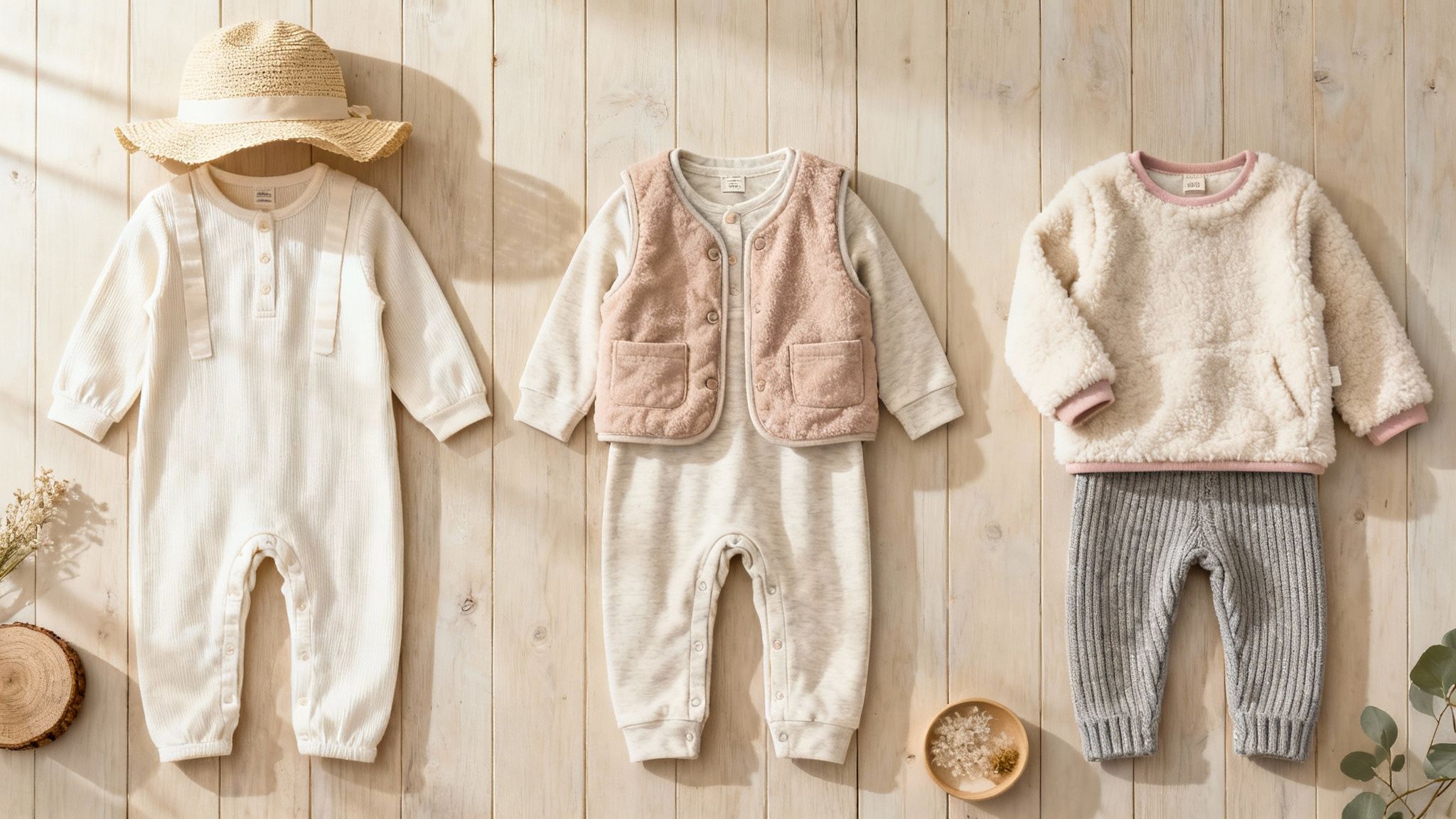
This incredible adaptability in the kitchen is what makes these recipes so smart for busy parents. Just like versatile long sleeve onesies simplify a child's wardrobe, these recipes simplify mealtime.
Hidden Veggie & Kid-Friendly Meals
When picky eating strikes, hiding veggies becomes a parent's best friend. Think of it as a stealthy way to deliver vitamins—a soft, delicious foundation that boosts their nutrient intake without a fight.
Here are a few go-to recipes:
- Hidden Veggie Meatballs: Grate zucchini and carrot very finely and mix it into your usual meatball recipe (ground turkey or chicken works great). The veggies add moisture and nutrients, and they'll never know. Serve with whole-wheat pasta and a simple tomato sauce.
- Broccoli "Tots": Steam and finely chop broccoli florets. Mix with a beaten egg, some breadcrumbs, and a little shredded cheddar cheese. Form into small "tot" shapes and bake until golden brown. Perfect for dipping!
- Sweet Potato "Quesadillas": Mash cooked sweet potato and spread a thin layer inside a whole-wheat tortilla. Sprinkle with a little mild cheese and pan-fry until warm and crispy. Sweet potato is packed with Vitamin A, a key immune supporter.
Making Food Fun & Approachable
Sometimes, presentation is everything. A colorful plate is far more appealing than a beige one.
For starters, try serving food "deconstructed." Instead of a mixed salad, offer separate piles of cucumber slices, cherry tomatoes, shredded cheese, and grilled chicken strips. This gives your child a sense of control and makes the meal less intimidating. Dips are also a magical tool—hummus, guacamole, or a simple yogurt dip can make raw veggies suddenly irresistible.
The true magic of these recipes is their ability to adapt. They are the meals you'll reach for when your toddler is on a food strike or when you just need a guaranteed win, making them an indispensable part of your family's meal plan.
Keeping Your Family Healthy All Year
Let’s be honest: kids get sick. Between daycare, school, and playgrounds, they're exposed to a constant stream of germs. But the good news is you don’t need a miracle to support their immune systems.
With a few simple, consistent habits, you can keep their bodies strong, resilient, and ready for whatever comes their way. The secret is to focus on the foundations.
Simple Steps for a Stronger Immune System
Most common childhood illnesses are viral. While antibiotics can't help, a strong immune system can fight them off more effectively. Before you reach for supplements, a few lifestyle tweaks can save the day. A gentle, consistent approach is always your best bet.
- Prioritize Sleep: Sleep is when the body repairs itself and strengthens its immune defenses. Toddlers need 11-14 hours of sleep, and school-aged kids need 9-11 hours.
- Encourage Movement: Regular physical activity helps boost immune cells. Make it fun—family walks, dance parties in the living room, or time at the playground all count.
- Teach Good Hygiene: Simple habits like regular handwashing with soap and water are one of the most effective ways to prevent the spread of germs.
Tackling Nutrition Day by Day
For those inevitable days when eating is a struggle, a little extra planning works wonders. I always keep a simple immunity-boosting toolkit on hand—frozen fruit for smoothies and pre-chopped veggies for quick meals.
When your child is feeling under the weather, focus on hydration and simple, comforting foods. Broth, toast, and smoothies are often easier for them to handle. Remember to offer a variety of colorful foods throughout the week to cover all your nutritional bases.
A well-cared-for immune system isn't just about avoiding sickness—it's about giving your child the best foundation for a healthy life. By focusing on nutrition, sleep, and healthy habits, you ensure they have the tools they need to thrive.
How to Shop Smart for Healthy Meals on a Budget
Whether you’re a grandparent helping out or a parent trying to make the family budget stretch, shopping for healthy food can feel daunting. But nutrient-dense meals don't have to be expensive. In the same way that a versatile long sleeve onesie is a smart buy for a baby's wardrobe, staple foods are a wise investment for any growing family.
When you're picking out groceries, a few simple pointers can make a huge difference. If fresh produce seems pricey, you can't go wrong with frozen fruits and vegetables. They are picked at peak ripeness and frozen, locking in nutrients, and they're often cheaper than fresh.
Pro Tips for Budget Shoppers
Here's another great trick for saving money: plan your meals. Knowing what you're going to cook for the week helps you create a focused grocery list and avoid impulse buys. Trust me, parents will be so grateful for the extra money in their pocket at the end of the month.
For families keeping a close eye on the budget, getting the most out of every purchase is the name of the game. Here are a few ways to shop smart:
- Buy in Bulk: Items like oats, rice, beans, and lentils are significantly cheaper when bought in bulk. They are the foundation for dozens of healthy, filling meals.
- Look for Sales: Keep an eye out for weekly flyers and digital coupons. You can score high-quality proteins and produce for a steal if you plan your meals around what's on sale.
- Think Versatility: Stick to ingredients you can use in multiple ways. A whole chicken can be roasted for dinner, with leftovers used for sandwiches and the carcass used to make a nutritious bone broth.
The real secret to healthy eating on a budget is its versatility. It’s about using simple ingredients to create many different meals, meaning you don't have to buy separate, expensive items for every recipe.
This approach not only saves money but also simplifies the daily cooking routine—something every parent can appreciate. If you’re looking for other great present ideas, this [ultimate guide to birthday gifts for toddlers](https://wishmate.ai/blog/birthday-gifts for-toddlers) is a fantastic resource. By shopping with a little strategy, you can provide healthy, immune-boosting meals that really satisfy.
Your Top Questions About Kids' Immunity, Answered
Even after becoming a pro at hiding spinach in smoothies, a few questions can still pop up. Let's tackle some of the most common ones we hear from parents.
Are Supplements Necessary for a Strong Immune System?
Not usually! For most healthy children, a balanced diet provides all the vitamins and minerals they need. It’s easy to think of supplements as a quick fix, but the nutrients in whole foods are absorbed and used by the body much more effectively. Always talk to your pediatrician before starting any supplements.
How Many Servings of Fruits & Veggies Do Kids Actually Need?
For toddlers (ages 1-3), the goal is about 1 cup of fruit and 1 cup of vegetables per day. For older kids, it increases to about 1.5-2 cups of each. Remember, this is a goal for the whole day, not per meal! A few strawberries at breakfast, some cucumber with lunch, and a side of broccoli at dinner can get you there.
What Is the Point of Probiotics?
Ah, probiotics! This is one of the most brilliant and important areas of nutritional science. Probiotics are the "good" live bacteria that support a healthy gut microbiome. Since about 70% of the immune system is located in the gut, a healthy balance of bacteria is crucial for fighting off pathogens.
Can My Child Eat Yogurt Every Day?
Absolutely. Plain yogurt (with no added sugar) is a perfectly safe and healthy food to offer daily. It's a fantastic source of protein, calcium, vitamin D, and those all-important probiotics. It's a simple, delicious way to support their bone health and immune function.
How Do I Know if My Child Has a Nutrient Deficiency?
Your child's pediatrician will give you some pretty clear signals during regular check-ups! They monitor growth charts and can order blood tests if they suspect an issue like iron deficiency. At home, signs like extreme fatigue, frequent illnesses, or slow healing could be clues. If you're concerned, always consult your doctor.
Choosing the right foods is all about keeping your child happy and healthy. When in doubt, especially with picky eaters, focus on consistency over perfection.
At Yarafly, we get it. Raising healthy kids should be full of joy. While we focus on designing long sleeve onesies with the softest fabrics and cutest prints to keep them cozy on the outside, we know that true health starts from within.
Shop the full collection of cozy and cute long sleeve onesies at Yarafly.com today!