

on December 30, 2025
Welcome to the world of parenting! While dressing your little one in cozy baby footed onesies is a top priority, ensuring they are nourished from the inside out is just as crucial. A strong immune system is the foundation of a healthy, happy childhood, and it all starts with the right nutrition.
Think of building your child's immunity like dressing them for a chilly day. Just as a footed onesie provides a warm, protective layer, essential vitamins and minerals from food create a powerful internal shield. This guide will help you understand what your child needs to thrive, with easy tips and recipes to keep them strong and healthy.
Your Guide to Building a Strong Immune System
Let's be honest, worrying about your child getting sick is a constant for parents. Between seasonal sniffles and playground germs, it can feel like a never-ending battle. But just as the simple design of a footed onesie solves the problem of lost socks, a focus on nutrient-rich foods is the simplest solution for a robust immune system.
A healthy diet works around the clock, just like a comfy onesie that’s perfect for both playtime and the 17 hours a day a newborn can sleep. Providing the right nutrients ensures their internal defenses are always ready, giving you peace of mind.
Why Every Parent Should Focus on Immunity
The real magic of a nutrient-dense diet is in its proactive, protective power. It’s not just about fighting off colds; it’s about building a foundation for lifelong health. For a complete list of essentials for your baby's early days, this ultimate newborn must-haves checklist is a fantastic resource.
Here’s why focusing on nutrition is a staple for every family:
- All-in-One Defense: Key vitamins and minerals work together to support immune cells, meaning you can stop worrying so much about every little cough and sneeze.
- Simplified Health: One healthy meal provides multiple benefits. It’s a relief when you're trying to do the best for your wiggly, sometimes uncooperative, little one.
- Ultimate Comfort: Good nutrition helps kids feel their best, with more energy for playing and better sleep. It’s pure, seamless wellness from the inside.
A well-designed diet seamlessly transitions from supporting growth to fighting germs, providing a practical solution that keeps your child snug, secure, and ready for any part of their day.
In this guide, we’ll cover everything you need to know. We'll talk about key immune-boosting foods, simple recipes for even the pickiest eaters, and how to make healthy eating a fun family habit.
Choosing The Best Foods For Your Child’s Health
The food you offer your child is everything when it comes to their well-being. Think about it—this is the fuel that builds their body and powers their immune system. Just like you'd choose soft organic baby clothes for their delicate skin, selecting the right foods is one of the most important decisions you'll make for their daily health.
It can feel like there are a million options, but it really boils down to two key things: variety and nutrient density. The right foods will keep them perfectly content and protected, whether it's a breezy summer afternoon or a chilly winter evening.
This growing awareness of nutrition is part of a bigger picture. The baby clothing market is projected to expand by a massive USD 35.4 billion between 2025 and 2029, with parents increasingly choosing quality. In the same way, parents are now actively choosing high-quality, whole foods for their kids.
Everyday Immunity with Colorful Foods
When you're not sure where to start, you can never go wrong with a rainbow of fruits and vegetables. They are the tried-and-true champions of a healthy diet for a reason: they’re packed with vitamins, minerals, and antioxidants that help kids regulate their immune response.
- Vitamin C: Found in oranges, strawberries, bell peppers, and broccoli, Vitamin C helps stimulate the formation of antibodies.
- Vitamin A: Carrots, sweet potatoes, and spinach are rich in beta-carotene, which the body converts to Vitamin A to support immune cell function.
If you want to take that nutrition up another notch, look for organic produce. It's grown without harsh pesticides, meaning you're getting an even purer, healthier option to offer your child.
Power-Packed Foods for Extra Protection
Once the cold and flu season starts to ramp up, you'll want something with a bit more oomph to keep your child protected. That’s when foods rich in Zinc, Vitamin D, and probiotics become your best friend, offering an extra layer of defense.
Zinc, found in lean meats, beans, and seeds, is crucial for developing and maintaining immune cells. Vitamin D, often called the "sunshine vitamin," is also found in fatty fish and fortified milk and plays a key role in activating immune defenses. Just remember that a balanced approach is key to avoid overdoing it.
Pro Tip: A quick way to boost immunity is with a simple smoothie. Blend spinach (a great source of vitamins) with banana and a splash of yogurt. Your child gets a powerful nutrient boost in a delicious, easy-to-drink format.
Gentle Foods For Sensitive Tummies
For babies and toddlers, introducing new foods requires care. Simple, single-ingredient purees are a fantastic starting point. As they grow, incorporating probiotics can be a game-changer for gut health, which is closely linked to immunity.
Yogurt with live active cultures is a great source of probiotics. A healthy gut microbiome helps regulate the immune system and can reduce inflammation. When shopping, keep an eye out for plain, unsweetened yogurt to avoid unnecessary sugar. It's that little extra bit of peace of mind every parent deserves.
Comparing Key Immune-Boosting Nutrients
To make things even simpler, here's a quick rundown of the most important nutrients. Think of this as your cheat sheet for building a healthy plate every time.
| Nutrient | Best For | Key Food Sources | Why It's Important |
|---|---|---|---|
| Vitamin C | Everyday defense, fighting off common colds | Oranges, strawberries, bell peppers, kiwi, broccoli | Boosts white blood cell production |
| Vitamin D | Activating immune defenses, bone health | Fatty fish (salmon), fortified milk, sunlight | Helps modulate the immune response |
| Zinc | Immune cell function and development | Lean meat, poultry, beans, nuts, whole grains | Essential for normal development of immune cells |
| Probiotics | Gut health, supporting a balanced immune system | Yogurt, kefir, fermented foods | A healthy gut is the foundation of a strong immune system |
Ultimately, having a variety of these foods in your child's diet ensures you're ready for anything the day—or the season—throws your way.
Finding the Perfect Fit for Safety and Comfort
When you're picking out a baby footed onesie, getting the size right is about so much more than looks—it’s a non-negotiable for your little one's safety and comfort. Similarly, finding the right "fit" with food is crucial for their health. Portions that are too big can be overwhelming, while meals that are too small won't provide enough energy.
The goal is to find that sweet spot: nourishing, but never forced. Think of it like a car seat harness—you want it secure enough to do its job safely, but with enough give. The meal should be satisfying without making them feel overly full. This perfect balance keeps them happy, healthy, and free to wiggle and play to their heart's content.
As you shop for groceries, you'll notice foods come in a few common forms, each with its own benefits.
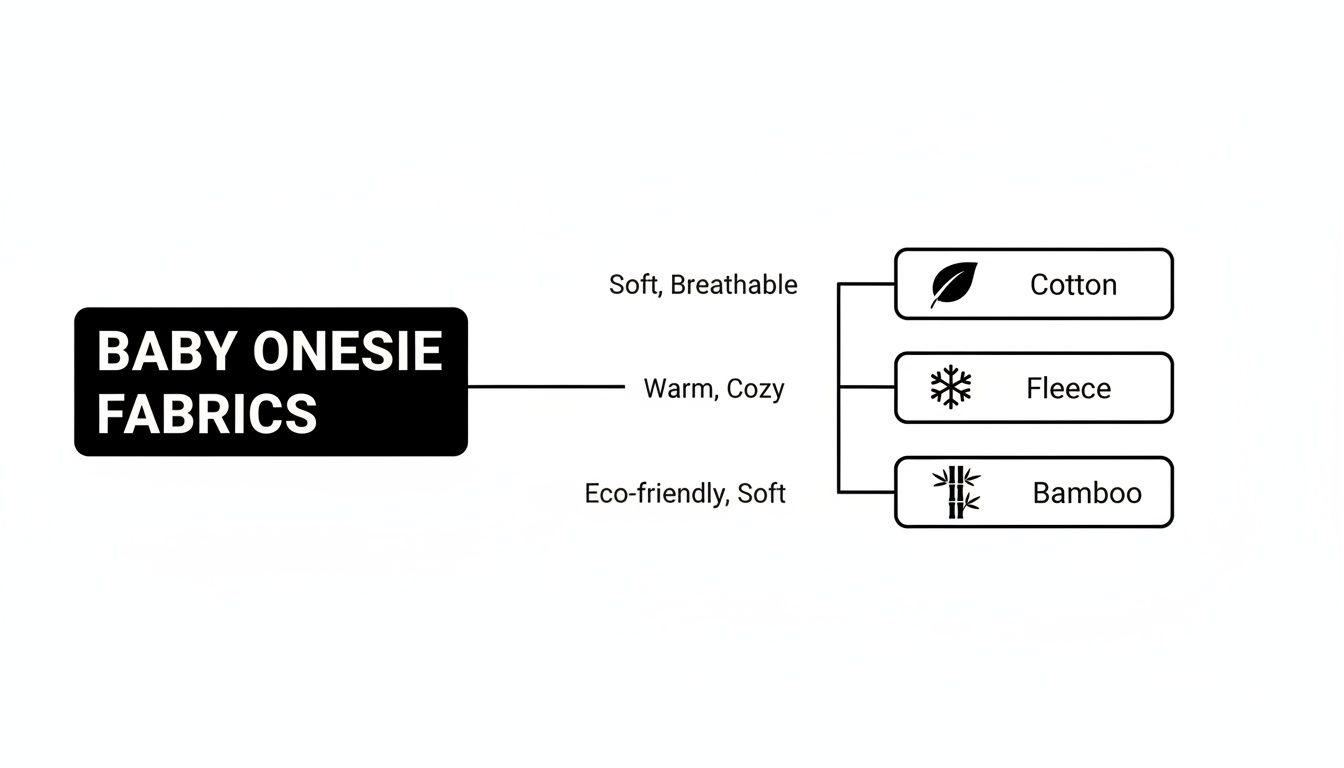
This quick breakdown can help you choose the right type of food for your child's age and the season.
A Practical Recipe and Smoothie Checklist
The next time you're prepping a meal for your child, run through this quick mental checklist. It only takes a few seconds and offers total peace of mind.
- The Color Check: Does the plate include at least two or three different colors? A colorful plate usually means a variety of vitamins and minerals.
- The Smoothie Check (for babies/toddlers): The "Sunshine Smoothie" is a great starter. Blend 1/2 banana, 1/4 cup mango, a handful of spinach, and 1/4 cup plain yogurt. It’s packed with Vitamin C and A.
- The Picky Eater Check: For picky eaters, try "Hidden Veggie Pasta Sauce." Sauté and then blend carrots, zucchini, and bell peppers into your regular tomato sauce. They'll never know!
Beyond getting the nutrients right, a quick once-over of the meal's preparation is always a good idea.
A well-fitting diet is the foundation of good health. Ensuring meals are balanced and age-appropriate is one of the most important measures a parent can take.
Beyond Recipes: Essential Safety Features
A truly safe meal is about more than just nutrients. The way it’s prepared and served is just as important for keeping your baby secure.
First, always cut food into age-appropriate sizes to prevent choking. For babies and toddlers, this means soft textures and small, manageable pieces. Grapes, for example, should be quartered lengthwise. Just as a proper fit in onesies ensures your baby's well-being, exploring options like baby noise-cancelling headphones can provide an added layer of safety and comfort in noisy environments.
It's best to steer clear of foods with added sugars, excessive salt, or artificial ingredients. They might seem appealing, but they can interfere with a developing palate and offer no nutritional value. For sleepwear, flame-resistance standards are key. For food, freshness and whole ingredients are the safety standard. For more tips, check out our guide on how to dress baby for sleep to create the safest environment possible.
Key Features That Make Parents' Lives Easier
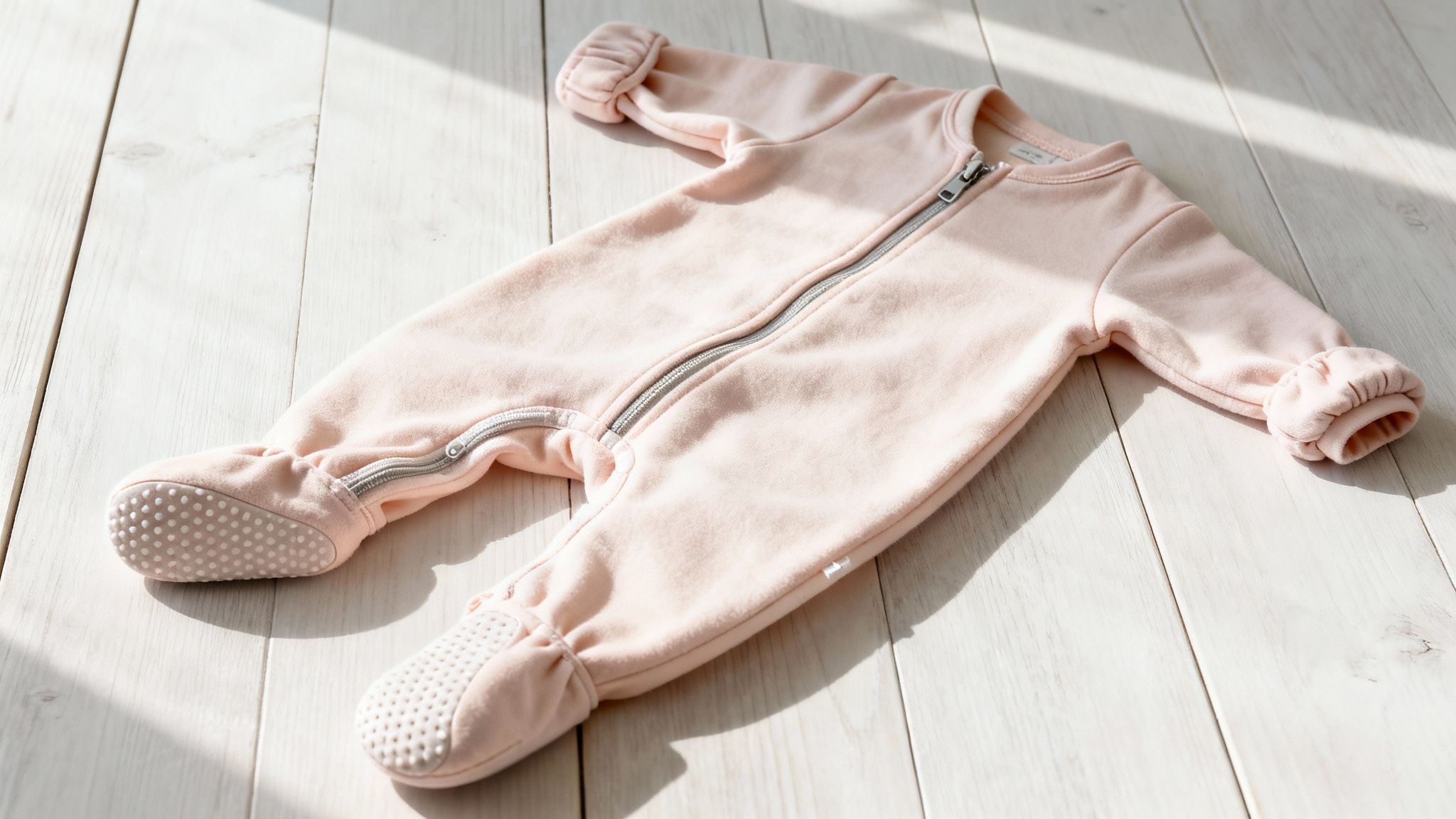
Let's be honest: not all meals are created equal. When you're dealing with a fussy toddler at 6 PM, you quickly realize that simple, easy-to-prepare recipes can make a world of difference. Understanding key food prep strategies helps you move past the cute patterns on a baby footed onesie and become a savvy parent who knows exactly what to do.
It's funny to think about how much we take modern baby food for granted. The footed onesie really took off in the 1990s, and its popularity just exploded. By the year 2000, 80% of newborns in the US were wearing them. Fast forward to today, and 65% of parents globally say they buy at least 10 onesies in their baby's first year alone. If you're curious, you can dive into more baby clothing market trends to see just how essential these little outfits have become.
Smoothies Versus Solid Meals: The Great Debate
Every parent has a strong opinion on this one. When it comes to getting nutrients into a picky child, your choice of food format is a very personal decision. Both have their moments to shine.
- Smoothies: Smoothies are the undisputed champions of speed and stealth nutrition. One quick blend and you're done, which feels like a superpower when you’re in a rush. They are a true game-changer for getting greens into kids.
- Solid Meals: Solid meals definitely take more patience to prepare and for kids to eat. However, they teach important chewing skills and introduce children to different textures, which is crucial for development.
Here's a pro-tip from seasoned parents: try the "Berry Blast Smoothie" for kids and toddlers. Blend 1/2 cup mixed berries, 1/2 banana, 1/4 cup Greek yogurt, and a splash of milk. It’s delicious, full of antioxidants, and perfect for breakfast or a snack.
Smart Recipes for Every Stage
Beyond just getting nutrients in, the best recipes are clever and adaptable for your child’s development and safety.
- Recipe for Picky Eaters: Try "Chicken & Veggie Nuggets." Mix finely grated zucchini and carrots with ground chicken, form into nugget shapes, and bake until golden. They are a fun, familiar shape with a hidden nutritional punch.
- Recipe for Babies (6+ months): Simple "Sweet Potato & Apple Puree" is a winner. Steam peeled and chopped sweet potato and apple until tender, then blend until smooth with a little water. It's naturally sweet and packed with vitamins.
Focusing on these practical recipes ensures the meals you serve are more than just food—they're functional tools designed to make your life easier and keep your child healthy and happy.
How to Keep Mealtime Positive Wash After Wash
Let's be real—mealtimes can go through the wringer. A favorite dish might be loved one day and rejected the next. With picky eating, food refusal can feel like it lives at your dinner table. Just like a baby footed onesie needs care to stay soft, your approach to meals needs gentle handling to keep them positive.
But all that effort doesn't have to mean mealtimes end up stressful. The secret to keeping things happy and healthy for the long haul is all about your approach. Think of your child's relationship with food like their delicate skin: a little gentle care goes a long way.
Your Simple Mealtime Guide
The best way to fight mealtime battles starts before the food even hits the table. Getting the environment and attitude right is half the battle in building a healthy relationship with food.
- Choose a Gentle Approach: Avoid pressure. Stick with the philosophy that the parent provides, and the child decides. You choose what healthy foods to offer, and they decide how much (if any) to eat.
- Eat Together: Family meals are powerful. Seeing you eat and enjoy a variety of foods is the best way to encourage them to try new things. A calm, happy meal is your best friend.
- Make it Fun: Use cookie cutters to make fun shapes or give foods silly names. This simple trick prevents food from feeling like a chore and makes it an adventure.
A good rule ofthumb for family meals is to treat every experience with a little extra TLC. When you remove pressure and add fun, you’re not just serving food—you’re actively protecting their long-term relationship with eating.
Tackling Picky Eating and Trying New Foods
From veggie refusal to only wanting beige food, picky eating is just part of the deal. The key is to be patient and persistent. For more stubborn stain-fighting tips (on clothes, that is!), check out our guide on how to remove stains from baby clothes.
When it comes to food, remember that small steps are better.
- Offer, Don't Force: Continue to offer a tiny portion of a new or disliked food alongside a "safe" food you know they'll eat.
- Involve Them in Prep: Honestly, the most effective method of all is getting them in the kitchen. Letting them wash veggies or stir ingredients makes them more invested and likely to try the final product.
Styling Your Onesie Beyond the Crib
Who says baby footed onesies are just for sleeping? This little garment is easily one of the hardest-working pieces in your baby’s closet. In the same way, who says healthy food has to be boring? Thinking of nutritious meals as just "health food" is like saying a great pair of jeans is only for weekends—you’re missing out on so much potential for fun and deliciousness.
This adaptability is a huge part of why parents love versatile solutions. Baby footed onesies are a cornerstone of the global baby sleepwear market, which was recently valued at a whopping USD 42.06 billion. Here in the United States, onesies dominate the tops segment, making up over 25% of sales because they pull double duty. You can dig into the numbers in this baby sleepwear market analysis.
Creating Cute and Practical Meals
So, how do you take a healthy ingredient from boring to brilliant? The secret is presentation. With a few simple additions, you can create an adorable and appealing meal that’s perfect for any picky eater.
Here are a few easy ideas to get you started:
- A "Food" Trip to the Park: Pack a bento box with colorful compartments. Cubes of cheese, bright red strawberries, and green cucumber sticks look more exciting than a simple sandwich.
- Visiting Family: Arrange fruit and veggies on a platter to look like a rainbow or a smiley face. This creates a classic, put-together look that’s still completely healthy.
- A Casual Day Out: Sometimes, all you need is an accessory. Fun-shaped plates or colorful straws for smoothies can completely change the vibe, making the meal feel more like an intentional treat.
Think of a healthy ingredient as the perfect blank canvas. It’s a complete, nutritious base that you can easily dress up or down depending on what your day looks like.
The Ultimate Travel Companion
When it comes to travel, simple, healthy snacks are a parent’s best friend. Packing for a baby can feel like a game of Tetris, but having go-to healthy options simplifies everything. A homemade trail mix or some veggie sticks with hummus is a complete snack in one container.
That means less to pack, less to worry about, and a guaranteed healthy option for your little one whether you’re on a plane, in the car, or settling in at your destination. By embracing versatility in the kitchen, you truly get the most out of your groceries, making healthy eating a functional staple for everyday life.
Common Questions About Baby Footed Onesies
When you're putting together your baby’s first wardrobe, it's natural to have a few questions about the basics, and baby footed onesies are a staple that always comes up. Similarly, parents have many questions about feeding their kids for a strong immune system. Getting these details sorted out helps you shop and cook smarter, feeling confident that your little one is safe and snug, inside and out.
How Many Footed Onesies Does A Newborn Need?
If you're stocking up for a newborn, a great starting point is seven to ten footed onesies. This might sound like a lot, but between spit-ups and diaper blowouts, you'll be surprised how quickly you can go through them. This stash gives you a comfortable buffer, so you aren't stuck doing laundry every single day.
Keep in mind, newborns spend most of their time sleeping—often 14 to 17 hours a day! That means they pretty much live in these cozy outfits. Having a healthy rotation on hand ensures a fresh, clean onesie is always ready for the next nap.
Are Footed Onesies Safe For Babies To Sleep In?
Yes, they absolutely are! In fact, footed onesies are a fantastic and safe option for sleep, as long as you keep a couple of key things in mind. The single most important factor is the fit.
A onesie that's safe for sleep should be snug, but never tight. This simple rule prevents loose fabric from riding up near your baby's face while still giving them plenty of room to wiggle and breathe easily.
Just give it a quick check for any loose threads or buttons that could be a hazard. A simple, well-fitting onesie is one of the safest and easiest sleepwear choices you can make.
Can My Baby Wear A Footed Onesie In A Car Seat?
They can, but you'll want to do a quick safety check first. The big concern here is making sure the car seat harness can fit snugly against your baby's collarbones and hips. Puffy or thick clothing can create a dangerous gap between the harness and your baby, which can reduce how effective it is in a crash.
Here’s a simple test:
- First, buckle your baby into their car seat while they're wearing the onesie and tighten the straps as you normally would.
- Then, unbuckle the harness without loosening the straps. Take your baby out.
- If the onesie is thin enough, you shouldn't have to adjust the harness at all. But if you find yourself needing to loosen the straps to get the onesie to fit, it's too bulky to be worn safely in the car seat.
When Should My Baby Stop Wearing Footed Onesies?
There's no official rule for this, but most little ones start moving on from footed onesies as they get more mobile—usually somewhere between 12 and 24 months. Once toddlers are walking confidently and heading toward potty training, two-piece PJs just become a lot more practical.
While the little non-slip grips on the feet are perfect for early cruisers, the one-piece design can start to feel a bit confining for a toddler who wants to run and climb. You'll know the time is right when diaper changes feel like a wrestling match or your toddler starts preferring separate tops and bottoms.
At Yarafly.com, we design our footed onesies with all these real-world questions in mind. We focus on safe fits, incredibly soft fabrics, and thoughtful features that make your life a little easier. Explore our collection of adorable and practical onesies for every stage of babyhood. Shop the Yarafly collection today!