

on December 03, 2025
A strong immune system is your child's best defense against common colds, flu, and other infections. While sniffles are a normal part of growing up, you can play a powerful role in strengthening their natural defenses through proper nutrition. A diet rich in essential vitamins and minerals from whole foods is the foundation for a healthy, resilient kid.
Understanding which nutrients are key and how to incorporate them into daily meals—even for the pickiest eaters—can make a huge difference. From colorful fruits and vegetables to immune-boosting smoothies, feeding your child's immune system can be both simple and delicious.
The Role of Vitamins and Minerals in a Child's Immunity
A child's immune system is constantly developing, and it relies on a steady supply of specific nutrients to function optimally. Vitamins and minerals act as the building blocks for immune cells, helping them fight off germs effectively. While supplements can have their place, the best and most bioavailable sources of these nutrients come directly from food.
Think of it like building a fortress; you need strong bricks (vitamins) and solid mortar (minerals) to keep invaders out. Ensuring your child gets a variety of these essential nutrients is crucial for building that strong defense system.

Here are the key players in immune health and the foods where you can find them:
- Vitamin C: A powerful antioxidant that helps the body produce more white blood cells. Find it in citrus fruits (oranges, clementines), strawberries, bell peppers, kiwi, and broccoli.
- Vitamin D: Often called the "sunshine vitamin," it's crucial for activating immune defenses. It's found in fatty fish like salmon, fortified milk, yogurt, and eggs.
- Zinc: This mineral is vital for developing and activating immune cells. Good sources include lean meats, beans, nuts, seeds, and whole grains.
- Vitamin A: Helps protect mucous membranes in the respiratory tract, which are the first line of defense. Load up on carrots, sweet potatoes, spinach, and mangoes.
- Probiotics: These are the "good bacteria" that support a healthy gut, where a large part of the immune system resides. Yogurt, kefir, and other fermented foods are excellent sources.
Foods That Strengthen the Immune System
Building a strong immune system for your child starts in the kitchen. Focusing on a rainbow of whole foods ensures they get a wide array of vitamins, minerals, and antioxidants. Here are some powerhouse foods to incorporate into your family's meals to give their immunity a natural boost.
Making these foods a regular part of their diet helps create a foundation of health that supports them year-round, not just during cold and flu season. Don't worry if your child is picky; introducing these foods in different, fun ways can make all the difference.
Top Immune-Boosting Foods for Kids
Here is a list of foods that are fantastic for strengthening your child's defenses. Try to mix and match them throughout the week.
- Berries: Blueberries, strawberries, and raspberries are packed with antioxidants and Vitamin C. They are perfect for snacking, adding to yogurt, or blending into smoothies.
- Leafy Greens: Spinach and kale are rich in Vitamins A, C, and E. If your child resists salads, try blending a handful of spinach into a fruit smoothie—they won't even taste it!
- Yogurt: Choose plain yogurt with live and active cultures to provide a healthy dose of probiotics for gut health. You can sweeten it naturally with a drizzle of honey (for children over one) or fresh fruit.
- Nuts and Seeds: Almonds, walnuts, and sunflower seeds are great sources of Vitamin E and zinc. For younger children, use seed or nut butter to avoid choking hazards.
- Lean Proteins: Chicken, fish, and beans provide the protein and zinc necessary for building strong immune cells.
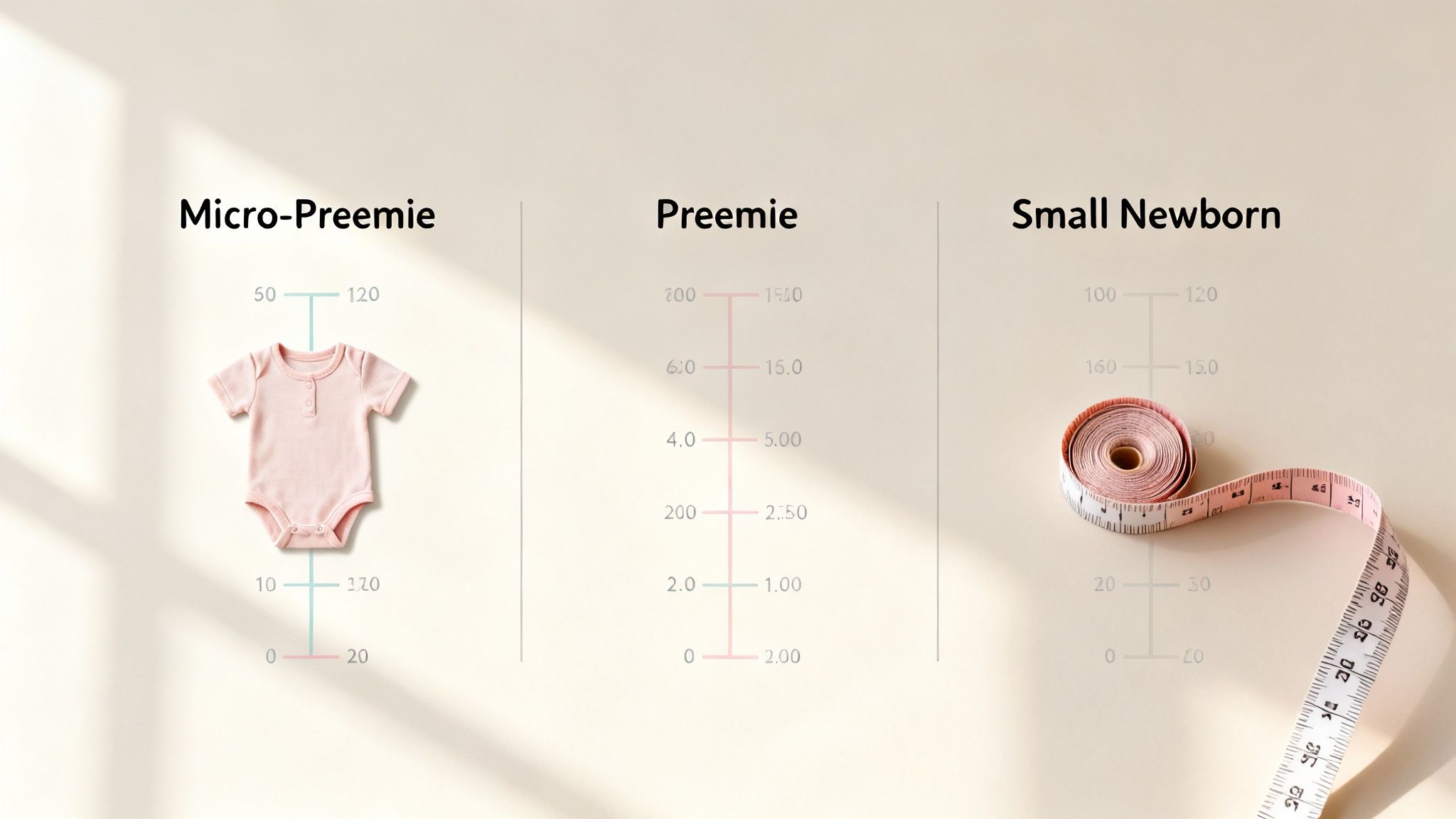
Remember that consistency is key. A single "healthy" meal won't magically boost immunity overnight. It's the daily habit of eating a variety of nutrient-dense foods that builds long-term resilience. For more ideas on sizing up meals as kids grow, you can explore info on children's size conversions for a different perspective on growth.
Immune-Boosting Smoothie Recipes
Smoothies are a parent's secret weapon, especially for picky eaters. They are a fantastic way to pack a ton of nutrients into a delicious drink that kids will love. You can easily hide veggies like spinach or avocado, and they are perfect for a quick breakfast or a healthy afternoon snack.
The key is to balance fruits (for sweetness and vitamins) with vegetables (for extra nutrients) and a source of protein or healthy fat (like yogurt or seeds) to make it filling. These recipes are easily adaptable for babies, toddlers, and older kids.
Smoothie Recipes for All Ages
Always ensure ingredients are age-appropriate and blended to a safe consistency, especially for babies.
-
Sunshine Smoothie (Toddlers & Kids): This is packed with Vitamin C.
- 1/2 cup orange juice (freshly squeezed is best)
- 1/2 cup plain yogurt or kefir
- 1/2 cup frozen mango chunks
- 1/4 cup frozen pineapple
- Optional: 1 small carrot, grated
- Blend until smooth. The color is vibrant and fun!
-
Green Monster Smoothie (Kids): A great way to sneak in greens.
- 1 cup spinach (you can't taste it!)
- 1 banana (frozen for a creamier texture)
- 1/2 cup milk (dairy or non-dairy)
- 1 tablespoon of almond butter or sunflower seed butter
- Blend until creamy and green. Call it a "Hulk" or "Dinosaur" smoothie to make it exciting.
-
Berry Good Smoothie (Babies 6m+ & Toddlers): Simple, gentle, and full of antioxidants.
- 1/4 cup mixed berries (strawberries, blueberries)
- 1/4 cup plain whole-milk yogurt
- A splash of water or breast milk/formula to thin
- Blend until very smooth. Ensure there are no large seeds for younger babies.
You can learn more about how preemie sizing corresponds to medical weight categories to understand how even the smallest children have specific nutritional needs for growth. These smoothies support that development journey.
Food Recipes for Picky Eaters
Getting a picky eater to try new, healthy foods can feel like a battle. The trick is often in the presentation and involving them in the process. Making food fun and approachable can transform mealtime from a struggle into a positive experience.
Focus on familiar formats they already love, like muffins, meatballs, or "dippers," and give them a nutritious upgrade. Don't be discouraged if they don't love something on the first try; it can take multiple exposures for a child to accept a new food.
Kid-Approved Healthy Recipes
These recipes are designed to appeal to little palates while secretly packing in the nutrients.
-
Hidden Veggie Meatballs:
- Grate zucchini and carrots finely and squeeze out excess moisture.
- Mix the grated veggies into your favorite ground turkey or chicken meatball recipe.
- Serve with a familiar tomato sauce and whole-wheat pasta. The veggies virtually disappear, adding moisture and a dose of vitamins.
-
"Rainbow" Fruit Skewers:
- Simply thread colorful fruits like strawberries, orange segments, pineapple chunks, kiwi, and grapes onto skewers.
- Serve with a yogurt dip (plain yogurt mixed with a little maple syrup). Kids love eating food on a stick!
-
Sweet Potato "Fries":
- Cut sweet potatoes into fry shapes.
- Toss with a little olive oil and a pinch of paprika.
- Bake at 400°F (200°C) until tender and slightly crispy.
- They are a much healthier alternative to regular fries and are loaded with Vitamin A.
Just as you'd check a guide for the correct pants size for growing kids, adapting recipes to your child's preferences is key. Be patient and creative!
Building Lifelong Healthy Habits
While focusing on specific immune-boosting foods is great, the bigger picture is about creating a sustainable, healthy lifestyle. The habits you build with your children now will support their immune systems and overall well-being for years to come. It’s not just about what they eat, but also about other crucial factors like sleep, hydration, and hygiene.
Combining a nutrient-rich diet with other healthy practices provides a comprehensive approach to a strong immune system. For instance, adequate sleep is when the body repairs itself and produces infection-fighting cells. And as you teach them about healthy foods, you can also explore related topics like a detailed guide on fleece fabrics to explain how staying warm is also important for health.
Beyond the Plate: Other Immune Boosters
In addition to a balanced diet, make sure to prioritize these essential habits:
- Adequate Sleep: Toddlers need 11-14 hours of sleep, and school-aged kids need 9-11 hours per night. Lack of sleep can suppress the immune system.
- Stay Hydrated: Water is essential for helping the body flush out toxins. Encourage your child to drink water throughout the day.
- Good Hygiene: Teach them the importance of regular hand washing, especially before eating and after playing outside. It’s one of the simplest and most effective ways to prevent the spread of germs.
- Get Active: Regular physical activity helps boost circulation, allowing immune cells to move through the body more effectively. Aim for at least 60 minutes of play each day.
Choosing soft, organic baby clothes can be part of an overall healthy environment, just like choosing organic foods. It’s all connected.
Creating a Positive Food Environment
How you present food and talk about it can have a huge impact on your child's relationship with eating. The goal is to raise intuitive eaters who enjoy a variety of foods without pressure or stress. This approach not only helps with picky eating but also builds a foundation for lifelong health.
Avoid labeling foods as "good" or "bad." Instead, talk about foods that "help us run fast and play longer" or "help our bodies stay strong." Involve your children in meal prep—let them wash vegetables, stir ingredients, or set the table. When kids have a hand in making the food, they are often more excited to try it. For more tips on basics, an essential guide to clothes for newborns can offer a similar foundational perspective for other aspects of childcare.
Tips for Stress-Free Mealtimes
- Eat Together: Whenever possible, eat meals as a family. Model healthy eating habits yourself.
- Offer Choices: Instead of asking "What do you want for dinner?", offer two healthy options: "Would you like broccoli or carrots with your chicken tonight?"
- No Pressure: Follow the division of responsibility: you decide what, when, and where to eat, and your child decides whether and how much to eat.
- Keep it Fun: Use cookie cutters to make fun shapes out of sandwiches or fruits. Arrange food on the plate to look like a smiley face. Small, creative touches can make a big difference.
- Patience is a Virtue: Remember that it's normal for kids' appetites to vary. Trust them to listen to their bodies. And just like understanding baby sock sizes, understanding their food preferences takes time.
Building a strong immune system is a marathon, not a sprint. By focusing on a colorful diet, healthy habits, and a positive mealtime environment, you are giving your child the best possible tools to grow up healthy and strong.
Practical Shopping Tips for Healthy Eating
A successful healthy-eating plan starts at the grocery store. Having a well-stocked pantry and fridge with immune-boosting foods makes it much easier to whip up nutritious meals and snacks. Plan your meals for the week ahead of time to avoid last-minute, less-healthy choices.
Focus your shopping on the perimeter of the store, where you'll find fresh produce, lean proteins, and dairy. Limit processed foods, sugary drinks, and snacks that are typically found in the center aisles. Reading labels is key—look for short ingredient lists with words you can recognize.
Making Healthy Choices Easier
- Shop the Rainbow: Challenge yourself and your kids to pick out fruits and vegetables of every color. This ensures a wide variety of nutrients.
- Buy Frozen: Frozen fruits and vegetables are just as nutritious as fresh (sometimes even more so!) and are perfect for smoothies, soups, and stir-fries. They are also budget-friendly and reduce food waste.
- Involve the Kids: Let your child pick out a new fruit or vegetable to try each week. This empowerment can make them more willing to eat it.
Just as you might use a preemie clothing size chart to find the right fit, think of a healthy shopping list as your chart for fitting the right nutrients into your child's diet. Planning is everything.
Common Questions About Kids' Immunity
Parents often have questions about how to best support their child's immune system. From fevers to vitamins, navigating the world of childhood health can be tricky. Here are some answers to common concerns.
How Many Colds a Year is Normal for a Child?
It can be alarming when your child seems to have a perpetual runny nose, but it's often perfectly normal. It's common for toddlers and preschoolers to get 6 to 8 colds per year, especially if they are in daycare or school where they are exposed to new germs. Their immune systems are learning and building memory against these viruses. As they get older, the frequency of colds will naturally decrease.
Should I Give My Child a Multivitamin?
For most healthy children who eat a varied diet, a multivitamin isn't necessary. The American Academy of Pediatrics recommends getting nutrients from whole foods whenever possible, as the body absorbs them better. However, some children, including very picky eaters or those with certain medical conditions, might benefit from a supplement. Always talk to your pediatrician before starting any vitamin or supplement to determine the right course of action for your child.
A focus on diet first is always the best approach. Using food to build immunity provides a complex array of nutrients that can't be replicated in a single pill.
Does Sugar Weaken the Immune System?
Excessive sugar intake can temporarily suppress the immune system's ability to fight off bacteria. Studies have shown that after consuming a large amount of sugar, the effectiveness of white blood cells can be reduced for a few hours. This doesn't mean your child can never have a treat, but it's a good reason to limit sugary snacks and drinks, especially when they are already feeling under the weather. Focus on natural sugars from fruit to satisfy their sweet tooth.
How Can I Support Immunity After an Illness?
After a bout of sickness, a child's immune system has been working overtime. The best way to help them recover is to focus on rest, hydration, and nutrient-dense foods. Offer comforting and easy-to-digest meals like chicken soup, smoothies, and yogurt. Probiotic-rich foods are especially helpful if they were on antibiotics, as they help restore the good bacteria in their gut.
At Yarafly, we believe that a healthy start is the greatest gift you can give your child. While we focus on soft and comfortable clothing, we know that true wellness starts from the inside out. For beautiful baby essentials, visit us at Yarafly.com.