

on January 02, 2026
A strong immune system is your child's best defense against sniffles, coughs, and more serious bugs. While you can't bubble-wrap them from every germ, you can supercharge their natural defenses through smart nutrition. It's about so much more than just a single "superfood"; it’s about creating a balanced diet rich in the vitamins and minerals that fuel their body's protective army.
Let's walk through the most important nutrients for kids' immunity, what foods to serve, and how to get even the pickiest eaters on board. This will help you feel confident you're giving them the best building blocks for a healthy life.
Your Quick Guide to an Immune-Boosting Diet
Navigating the world of child nutrition can feel overwhelming. To make it simpler, focus on incorporating a variety of colorful, whole foods into their daily routine. Think of their plate as a painter's palette—the more colors you add, the wider the range of vitamins and minerals they're getting.
This guide is your personal cheat sheet for building a diet that strengthens their immune system from the inside out. We'll explore why vitamins like C and D are so crucial and how minerals like zinc act as gatekeepers for their health.
Core Immunity Considerations
We'll also tackle the challenge of picky eaters with creative recipes that are both nutritious and kid-approved. And, of course, we'll share some delicious smoothie recipes that pack a powerful nutritional punch, perfect for babies, toddlers, and older kids alike.
This is just the starting point, but it sets the foundation for a lifetime of healthy habits. It’s no surprise that parents are paying more attention to what goes into their children's bodies. The focus on natural, whole foods is about providing the essential tools their immune systems need to function at their best.
A strong immune system for a child is built plate by plate. The food they eat provides the essential vitamins and minerals needed to build and maintain their body's natural defenses, helping them fight off illnesses more effectively.
Once you know these fundamentals, meal planning becomes so much easier. You'll be able to spot opportunities to add a nutritional boost to every meal and snack. If you're also thinking about their comfort, our guide on how to find cheap pajamas for kids has some fantastic tips for cozy nights.
For a quick reference, here’s a table that breaks down the key immunity-boosting nutrients and where to find them.
Top Immune-Boosting Nutrients at a Glance
This table provides a quick summary of the key nutrients for a strong immune system, helping you make fast and informed food choices.
| Nutrient | What It Does | Best Food Sources |
|---|---|---|
| Vitamin C | Acts as an antioxidant, supports immune cells. | Oranges, strawberries, bell peppers, broccoli, kiwi. |
| Vitamin D | Helps regulate immune responses. | Fatty fish (salmon), fortified milk and yogurt, eggs, sunlight. |
| Zinc | Crucial for developing and activating immune cells. | Lean meats, beans, nuts, whole grains, dairy products. |
| Probiotics | Supports gut health, where most immunity begins. | Yogurt, kefir, fermented foods like sauerkraut. |
Using this as your checklist will make sure every meal you serve is a winner for both taste and health.
Decoding Key Vitamins and Minerals for a Strong Immune System
A child's body is a busy construction site, and their immune system is no different. It requires a steady supply of specific vitamins and minerals to build and maintain its defenses. Choosing the right foods is one of the most important decisions you'll make for their long-term health, ensuring their internal army is well-equipped to fight off germs.
The best nutrients work together to support their health. Think of it as a team effort—Vitamin C is the first responder, Vitamin D is the strategist, and Zinc is the communications officer.
The Powerhouse Nutrients
When you're at the grocery store, keep an eye out for foods rich in these immune-boosting champions. They are consistently the best picks for a robust immune system.
-
Vitamin C: This is probably the most famous immune-booster, and for good reason. It encourages the production of white blood cells, which are key to fighting infections. You can find it in more than just oranges! Strawberries, bell peppers, broccoli, and kiwi are all packed with Vitamin C.
-
Vitamin D: Often called the "sunshine vitamin," Vitamin D is critical for activating our immune defenses. Many children are deficient, especially in winter. Look for fortified milk, yogurt, and cereals, and include fatty fish like salmon and eggs in their diet.
-
Zinc: This mineral is essential for normal development and function of immune cells. Even a mild deficiency can impact immunity. Good sources include lean meat, poultry, beans, nuts, and whole grains.
Want to learn more about gentle fabrics for your child's comfort? Our guide to soft organic baby clothes dives deeper into why materials matter for young children.
The Role of a Healthy Gut
Did you know that about 70% of the immune system is located in the gut? A healthy gut microbiome is a cornerstone of strong immunity. Probiotics, the "good" bacteria, help keep the gut in balance and support the immune system's function.
Foods like yogurt (look for "live and active cultures"), kefir, and other fermented foods are excellent sources of probiotics. Including these in your child's diet helps build a strong foundation for their overall health.
A great rule of thumb I always follow: aim for a rainbow on their plate. Different colors in fruits and vegetables signify different vitamins and antioxidants, ensuring a broad spectrum of nutrients.
Ultimately, building a strong immune system comes down to variety and consistency. By focusing on whole, nutrient-dense foods, you’ll be well on your way to raising a healthier, more resilient child.
Easy Smoothie Recipes for Babies, Kids, and Toddlers
Walking through the produce aisle can be inspiring, but getting kids to eat all those healthy fruits and veggies can be a challenge. That's where smoothies come in! They are a fantastic way to pack a ton of nutrition into a delicious, easy-to-drink format that even picky eaters love. These recipes are designed to be simple, tasty, and full of immune-boosting goodness.
Think of smoothies as a nutritional blank canvas. You can easily sneak in greens, healthy fats, and protein without your little one even noticing. Both of these approaches—building a strong immune system and ensuring physical comfort—are key parts of a child's well-being. The global night and underwear market, which includes pajamas for toddlers, was valued at US$23.68 billion in 2025, showing how much parents value their children's comfort and safety. You can read the full research on the toddler wear market to see how this focus shapes product development.
Sunshine Orange Smoothie (Vitamin C Boost)
This smoothie is like a glass of sunshine, packed with Vitamin C to help support the immune system. It's naturally sweet and creamy, making it a hit with all ages.
-
Ingredients:
- 1 small orange, peeled
- 1/2 cup mango chunks (frozen works great)
- 1/4 cup plain Greek yogurt (for protein and probiotics)
- 1/2 carrot, chopped
- 1/4 cup water or milk to blend
- Instructions: Combine all ingredients in a blender and blend until smooth. For a thinner consistency, add more liquid.
Green Monster Smoothie (Hidden Veggies)
Don't let the color fool you—this smoothie is sweet and delicious! It's a fantastic way to get a serving of iron-rich spinach into your child's diet.
-
Ingredients:
- 1 ripe banana
- 1/2 cup pineapple chunks
- 1 large handful of fresh spinach
- 1/2 cup milk (dairy or non-dairy)
- 1 tablespoon chia seeds (for omega-3s and fiber)
- Instructions: Blend the spinach and milk first until the greens are completely broken down. Then, add the remaining ingredients and blend until creamy.
Berry-Good Smoothie (Antioxidant Power)
| Ingredient | Amount | Nutritional Benefit |
|---|---|---|
| Mixed Berries (frozen) | 1 cup | Packed with antioxidants and Vitamin C. |
| Plain Yogurt or Kefir | 1/2 cup | Provides probiotics for gut health. |
| Oats (rolled) | 2 tbsp | Adds fiber for sustained energy. |
| Almond Butter | 1 tsp | Healthy fats and protein. |
| Water or Milk | 1/4 cup | To achieve desired consistency. |
This smoothie is bursting with flavor and antioxidants from the berries, making it a powerful immune-supporting treat. Just blend all ingredients until smooth!
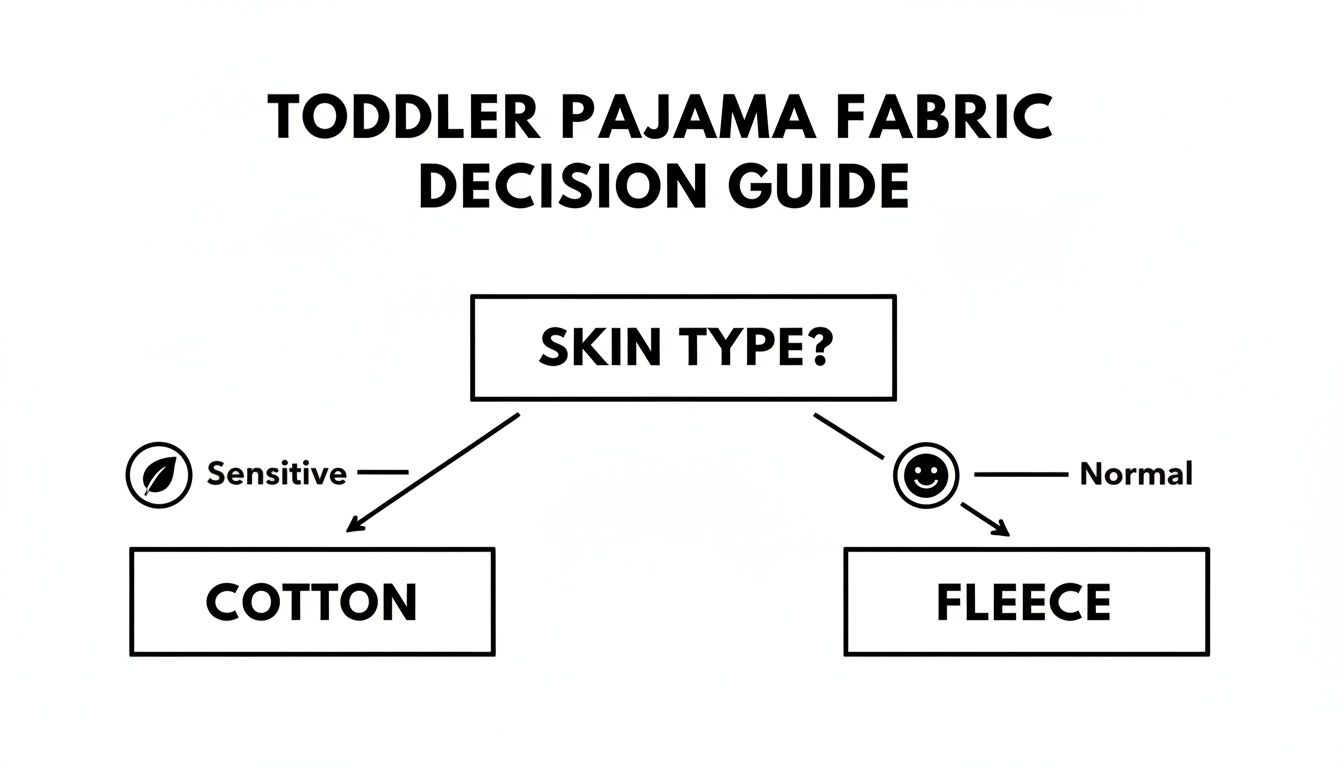
While this flowchart is about pajama fabrics, the principle of making choices based on individual needs applies to nutrition, too. A child who needs more fiber might benefit from the Green Monster smoothie, while one needing a Vitamin C boost would love the Sunshine Orange.
Key Takeaway: Smoothies are a versatile and fun way to ensure your child gets a wide range of vitamins and minerals. Don't be afraid to experiment with different combinations to find your family's favorites.
There really is no single "right" recipe. The best one is the one your child will happily drink, providing you with peace of mind and them with essential nutrients.
Food Recipes for Picky Eaters

If you have a picky eater, you know the dinner table can feel like a battlefield. The key is to make food fun, familiar, and nutrient-dense without them even realizing it. My number one rule? Get them involved in the kitchen and present healthy foods in a creative, non-intimidating way.
Seriously, a "tree" (broccoli floret) is much more appealing than just "broccoli." We're not talking about deception, but rather creative marketing for a tough crowd. The goal is to make healthy eating a positive and enjoyable experience.
Hidden Veggie Meatballs
This recipe is a game-changer. You can finely grate vegetables like zucchini and carrots and mix them directly into the ground meat. Once cooked in a flavorful tomato sauce, the veggies are virtually undetectable.
-
Ingredients:
- 1 lb ground turkey or chicken
- 1/2 cup grated zucchini (squeeze out excess water)
- 1/2 cup grated carrot
- 1/4 cup breadcrumbs
- 1 egg
- Seasonings of your choice (garlic powder, oregano)
- Instructions: Mix all ingredients, form into small meatballs, and bake or pan-fry until cooked through. Serve with pasta or on their own.
Smart Features That Boost Nutrition
A little bit of foresight can make your child's favorite foods much healthier.
- Sweet Potato "Fries": Cut sweet potatoes into fry shapes, toss with a little olive oil and a pinch of salt, and bake until crispy. They are packed with Vitamin A, a key nutrient for immune health.
- Cauliflower Mac & Cheese: Steam and blend cauliflower until smooth, then mix it into your cheese sauce. It adds creaminess and a dose of vitamins without altering the beloved flavor too much.
- Fruit "Wands": Thread colorful fruits like strawberries, melon, and grapes onto a skewer. It's a simple, fun way to encourage fruit consumption.
The goal is to find that sweet spot between what they will eat and what you want them to eat. A well-chosen recipe can bridge that gap, making mealtime less stressful for everyone.
When you use these strategies, you’re not just getting them to eat a meal; you’re building a foundation for adventurous eating. For a more detailed guide on other aspects of child care, our comprehensive kids' clothing size chart can help you find the perfect fit for their growing bodies.
Choosing Foods for Every Season

A child's nutritional needs are constant, but the foods available to meet them change with the seasons. Eating seasonally is a great way to ensure they get the freshest, most nutrient-dense produce. You don't need a pantry overflowing with exotic superfoods; the secret is having the right staples for the time of year.
Think about it like dressing your child for the day—you'd choose different clothes in July than in January. The same simple logic applies to their diet. The end goal is to provide their body with a steady stream of vitamins and minerals, which is a huge factor in maintaining a strong immune system year-round.
Warm Weather Wonders
Summer brings an abundance of fresh, vibrant produce perfect for light and healthy meals. Berries, watermelon, cucumbers, and bell peppers are all at their peak and loaded with vitamins and hydration.
Think fruit salads, simple veggie sticks with hummus, and grilled chicken or fish. These foods are not only nutritious but also help keep your child cool and hydrated on hot days.
Cozy Winter Essentials
Once the temperature starts to dip, it’s time to turn to heartier, warming foods. Root vegetables like sweet potatoes, carrots, and squash are rich in immune-supporting vitamins A and C. Soups and stews are a go-to for many parents because you can pack them with vegetables, lean proteins, and whole grains.
When thinking about winter health, it’s not just about food. Great insights from guides on the ultimate kids bedding for Aussie winters show how pairing a healthy diet with a warm, comfortable sleep environment creates the perfect recipe for well-being.
A simple trick I've always relied on is to shop the perimeter of the grocery store first. That's where you'll find all the fresh produce, dairy, and lean meats—the building blocks of a healthy, immune-boosting diet for any season.
This focus on seasonal eating is a big reason parents are becoming more conscious shoppers. The global kids' pajamas suits market hit a staggering USD 16.5 billion in 2023 and is expected to grow to USD 29.0 billion by 2033. This growth in children's products reflects a broader trend of parents investing in all aspects of their child's health and comfort. By matching their diet to the season, you’re setting the stage for a healthy, resilient child.
Easy Care Tips to Make Meal Prep Last Longer
Let's be honest: feeding a toddler is a full-time job. They need healthy snacks and meals constantly, and smart food prep can be a lifesaver. A few good habits can go a long way in keeping fresh foods ready to go, making healthy choices the easy choices.
The biggest secret? Prep smarter, not harder. You don't need to spend your entire Sunday in the kitchen. A little bit of planning can save you from the stress of figuring out a healthy meal when your toddler is already hungry.
Smart Food Prep and Storage Basics
Of course, you should always follow food safety guidelines, but some universal truths apply to most toddler-friendly foods. Making these small tweaks can make a massive difference in your weekly routine.
-
Wash and Chop Veggies: As soon as you get home from the store, wash and chop veggies like carrots, celery, and bell peppers. Store them in airtight containers in the fridge for quick snacks or to toss into meals.
-
Cook Grains in Batches: Make a big batch of quinoa, brown rice, or oats at the beginning of the week. You can easily add them to meals for a fiber and nutrient boost.
-
Use an Ice Cube Tray: This one is a game-changer for purees and smoothies. Freeze leftover smoothie mix, yogurt, or vegetable purees in an ice cube tray. Pop out a cube or two for a quick, portion-controlled snack.
Caring for Your Produce
How you store your produce is just as important as how you prep it.
Berries are delicate and can spoil quickly. Store them unwashed in a breathable container in the fridge and wash just before serving. Leafy greens like spinach can be washed, dried thoroughly, and stored in a container with a paper towel to absorb excess moisture, keeping them fresh for days.
Taking care of your groceries is really about protecting your investment. A little extra attention in the kitchen not only reduces food waste but also makes it so much easier to provide healthy meals and snacks on busy days.
And to make sure those reusable snack containers always find their way home from daycare, good labels are a must. A great guide to the best children's clothing name labels can help you find an option that sticks through all those wash cycles.
Your Top Kids' Nutrition Questions, Answered
If you’re staring at a half-eaten plate of broccoli and wondering if you’re doing this right, you’re not alone. The world of child nutrition can be surprisingly tricky. As soon as you figure out one stage, their tastes change, and suddenly you have a whole new set of questions.
Let's clear up some of the most common things parents ask. We've got straightforward answers to help you feed your family with confidence.
How Much Food Does My Toddler Really Need?
Honestly, a good rule of thumb is to offer three meals and two snacks a day. Toddler appetites can vary wildly from day to day, or even meal to meal. Focus on offering a variety of healthy options rather than stressing about the quantity they eat.
It’s also wise to serve toddler-sized portions—about a quarter of an adult portion. They can always ask for more. This approach empowers them to listen to their own hunger cues and reduces food waste.
The Great Debate: Juice or Whole Fruit?
This is a classic parent dilemma, and the best answer is almost always whole fruit. Whole fruits contain fiber, which slows down the absorption of sugar and is crucial for digestive health. Juice, on the other hand, is often just concentrated sugar without the beneficial fiber.
The American Academy of Pediatrics recommends limiting juice. If you do offer it, make sure it's 100% fruit juice and limit it to a small amount (4 ounces per day for toddlers). A better option? A delicious, fiber-rich smoothie!
When Is It Time to Introduce New Foods?
There's no hard-and-fast rule, but the key is persistence. It can take 10 to 15 exposures for a child to accept a new food. The best strategy is to offer a small amount of the new food alongside familiar, well-liked foods without any pressure to eat it.
For many kids, seeing you eat and enjoy the food is the best encouragement. Make mealtimes a positive, family-focused experience, and they'll be more likely to become adventurous eaters over time.
Introducing new foods is more than just a menu change; it's a step toward building a healthy relationship with food. It empowers your toddler to explore new tastes and textures, which is a massive developmental win.
What on Earth Are Phytonutrients?
You'll see this term on health blogs, and it’s simpler than it sounds. Phytonutrients are natural compounds found in plants that have antioxidant and anti-inflammatory properties. Think of them as the plant's own immune system.
The easiest way to ensure your child gets plenty of them is to "eat the rainbow." The different colors in fruits and vegetables—like the red in tomatoes (lycopene) or the orange in carrots (beta-carotene)—signify different types of beneficial phytonutrients.
Ready to find that perfect pair of pajamas that nails the sweet spot between comfort, safety, and cute-as-a-button style? Check out the full collection at Yarafly.com to find sleepwear made for sweet dreams. Shop our toddler pajamas today!