

on November 24, 2025
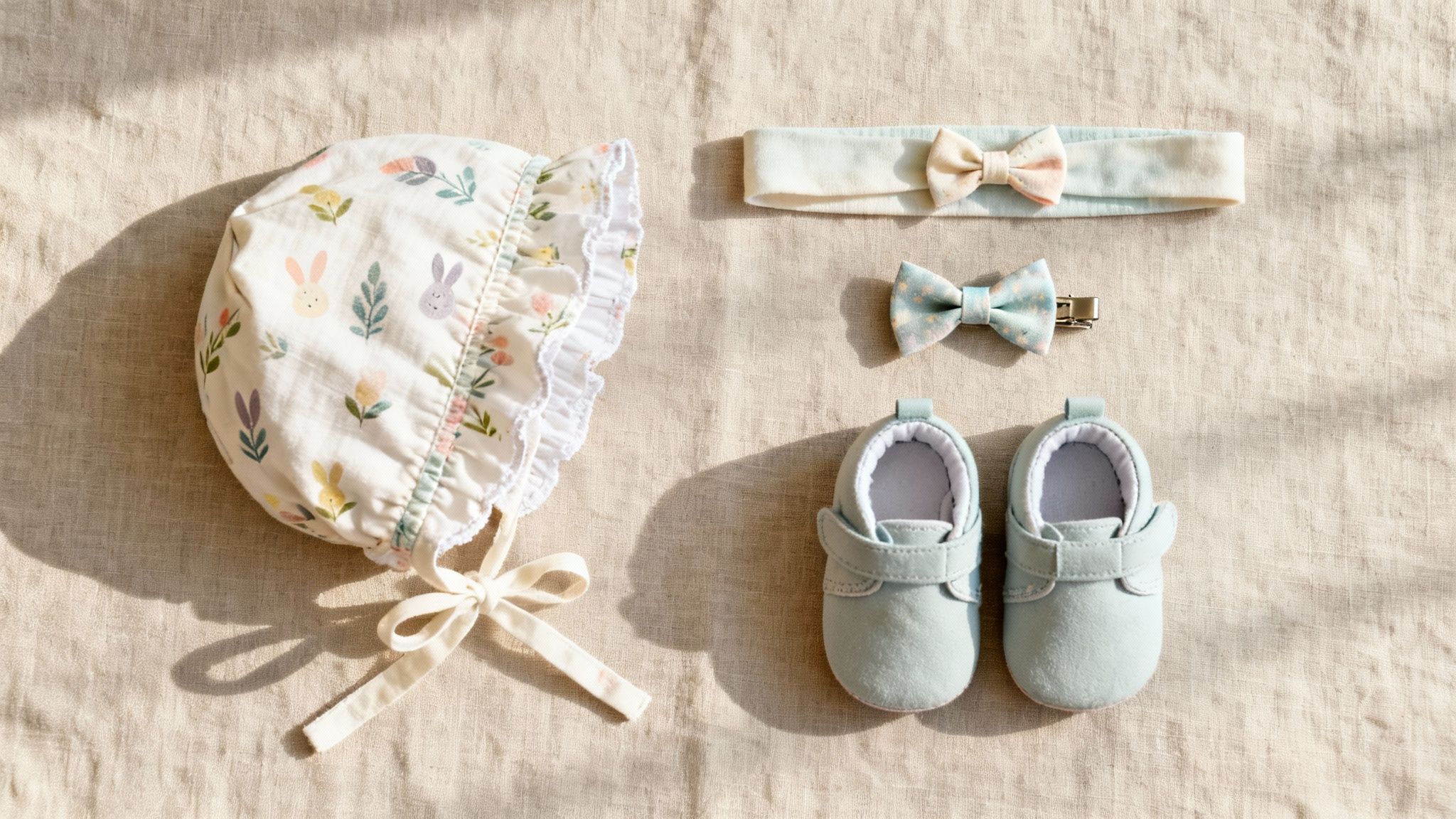
A child's first few years are a whirlwind of milestones, from first steps to first words. Amidst all this growth, their immune system is working hard, learning to defend against everyday germs. As a parent, you play a crucial role in this development. Finding the right my first easter outfit is fun, but supporting their health from the inside out is what truly matters.
Nurturing a strong immune system isn't about creating a germ-free bubble. It's about providing the right building blocks through nutrition so their bodies can build a robust natural defense. A balanced diet rich in essential vitamins and minerals is the foundation for a healthy, resilient child.
The Cornerstones of a Healthy Immune System

A child’s immune system is a complex network that needs consistent nourishment to function optimally. While no single food can magically prevent illness, a diet packed with a variety of nutrients creates an environment where their immune cells can thrive. Think of it as assembling a team of superheroes; each vitamin and mineral has a special job to do.
This guide will walk you through the key nutrients your child needs and offer simple, kid-friendly ways to get them onto their plates.
Key Nutrients for a Strong Defense
As you plan meals, focus on incorporating a rainbow of foods. Different colors often signify different nutrients.
- Vitamin C: The classic immune booster. It helps produce white blood cells, which are the body's primary infection fighters. Find it in oranges, strawberries, bell peppers, and broccoli.
- Vitamin D: Often called the "sunshine vitamin," it plays a critical role in activating immune defenses. It's found in fortified milk, yogurt, and fatty fish like salmon.
- Zinc: This mineral is essential for immune cell development and communication. Good sources include beans, nuts, lean meats, and whole grains.
- Iron: Crucial for helping red blood cells carry oxygen throughout the body, which is vital for all cellular functions, including those of the immune system. Lean red meat, lentils, and spinach are great sources.
- Probiotics: These are the "good bacteria" that support gut health, which is surprisingly linked to overall immunity. Yogurt, kefir, and other fermented foods are packed with them.
A well-nourished immune system is your child's best defense. Focusing on whole, nutrient-dense foods gives their body the tools it needs to stay strong and healthy.
To simplify your meal planning, I’ve put together a quick checklist of immune-boosting food groups.
Immune-Boosting Foods Quick Checklist
This table summarizes key food groups and their role in strengthening a child's immune system.
| Food Group | Why It Matters | Examples |
|---|---|---|
| Citrus Fruits | High in Vitamin C, which helps the body produce infection-fighting white blood cells. | Oranges, grapefruit, clementines, strawberries. |
| Leafy Greens | Packed with vitamins like C and K, plus antioxidants that protect cells. | Spinach, kale, broccoli. |
| Lean Proteins | Provide zinc and iron, essential for immune cell growth and function. | Chicken, lean beef, beans, lentils. |
| Yogurt & Kefir | Contain probiotics, which support gut health and regulate the immune response. | Plain Greek yogurt, kefir smoothies. |
Incorporating these foods into your child's daily diet will help build a strong foundation for their long-term health.
Power-Packed Smoothies for Little Ones

Smoothies are a parent's secret weapon, especially for picky eaters. They are a fantastic way to pack a ton of nutrients into a delicious, easy-to-drink format. For babies, toddlers, and kids, a well-made smoothie can deliver vitamins, minerals, fiber, and healthy fats in just a few sips. It's an easy win for their immune system and your peace of mind.
The key is to balance fruits for sweetness with veggies and healthy fats for a nutritional punch.
Simple Smoothie Recipes for All Ages
These recipes are simple, customizable, and tested for kid-friendliness. Always consult your pediatrician before introducing new foods, especially for babies.
-
Sunshine Starter (Babies 6+ months): A gentle introduction to green smoothies.
- 1/2 ripe banana
- A handful of fresh spinach
- 1/4 cup plain full-fat yogurt
- A splash of water or breast milk/formula to thin
- Blend until completely smooth.
-
Berry Boost (Toddlers 12+ months): Packed with antioxidants from berries.
- 1/2 cup mixed frozen berries (strawberries, blueberries)
- 1/2 cup milk (dairy or non-dairy)
- 1 tablespoon of almond butter (for healthy fats)
- A few cubes of steamed and cooled sweet potato (for Vitamin A)
- Blend until creamy.
-
Green Monster (Kids 3+ years): A powerful smoothie that tastes like a treat.
- 1 cup spinach or kale
- 1/2 cup pineapple chunks (frozen)
- 1/2 ripe banana
- 1 cup coconut water or milk
- 1 tablespoon of chia seeds
- Blend until smooth and vibrant green.
Remember, a healthy diet is a long-term strategy. Consistent intake of nutrient-rich foods is far more effective than trying to "boost" immunity only when your child is sick.
Just as dressing your little one in their my first easter outfit is a tradition of care, providing them with nourishing food is a daily act of love. You can explore the history of Easter attire on iBelieve.com to see how traditions of care evolve.
Tips for Smoothie Success
To make smoothie time a hit, involve your kids! Let them help wash the spinach or drop the banana into the blender.
Also, be patient. If they reject a green smoothie at first, try again with a little more fruit next time to sweeten it naturally. The goal is progress, not perfection.
Delicious Recipes for Picky Eaters
Let's be honest, nearly every parent deals with a picky eating phase. It can be frustrating when you're trying to provide a healthy diet. The key is to be patient, creative, and consistent. Offering familiar foods in new, fun ways can often tempt even the most selective palate.
Don't turn mealtimes into a battle. Instead, focus on creating positive food experiences. This might mean "hiding" vegetables in a favorite dish or presenting food in a playful way.
Turning "Yuck" into "Yum"
When you're up against a picky eater, a little creativity goes a long way. The goal is to make healthy food appealing and non-intimidating.
Here are a few simple, immune-boosting recipe ideas that are often successful with kids:
-
Hidden Veggie Meatballs:
- Mix finely grated zucchini and carrots into your regular meatball recipe (using lean ground turkey or beef).
- Serve with a whole-wheat pasta and a simple tomato sauce. The veggies blend right in, adding moisture and nutrients.
-
Sweet Potato "Fries":
- Cut sweet potatoes into fry shapes, toss with a little olive oil and a pinch of paprika, and bake until tender.
- They are a great source of Vitamin A and are naturally sweet, making them a healthier alternative to regular fries.
-
Broccoli & Cheese Egg Muffins:
- Whisk eggs and mix in finely chopped broccoli and a sprinkle of cheddar cheese.
- Pour into a mini muffin tin and bake until set. They are perfect for little hands and great for breakfast or a snack.
Making food fun can overcome many mealtime hurdles. Use cookie cutters to make fun shapes or arrange food to look like a happy face. A little playfulness can make a big difference.
Just as you might consult a guide for understanding children's clothing sizes, think of these recipes as a guide to understanding your child's food preferences.
The Power of Patience
Remember, it can take 10-15 exposures for a child to accept a new food. Continue to offer healthy options without pressure. Serve a new food alongside a familiar favorite. Even if they only touch it or lick it, that's progress!
This gentle, consistent approach helps build a healthy relationship with food that will last a lifetime, far beyond a single holiday like Easter, and is more important than any single my first easter outfit.
Creating Lifelong Healthy Habits
Building a strong immune system isn't just about one meal or one smoothie. It's about establishing consistent, healthy habits that will support your child's well-being for years to come. The goal is to make nutritious eating a normal, enjoyable part of daily life.
Of course, diet is just one piece of the puzzle. Other factors like adequate sleep, regular physical activity, and good hygiene are also crucial for a robust immune system.
Beyond the Plate: A Holistic Approach
When it comes to your child's health, think about the big picture. Small, consistent efforts in several areas will have the greatest impact.
- Prioritize Sleep: Sleep is when the body repairs and recharges. Toddlers need about 11-14 hours of sleep per day (including naps), while preschoolers need 10-13 hours. A consistent bedtime routine is key.
- Encourage Movement: Regular physical activity helps improve circulation, allowing immune cells to move through the body more efficiently. Aim for at least 60 minutes of active play each day.
- Teach Good Hygiene: Simple habits like frequent handwashing are one of the most effective ways to prevent the spread of germs and reduce the burden on the immune system.
The healthy habits you model and teach today are the foundation for your child's health tomorrow. Your positive approach to food and wellness is the greatest gift you can give them.
The tradition of getting new clothes for Easter symbolizes a fresh start for spring, a concept you can read more about in this piece on the history of Easter fashion on Fabrictopia. You can apply this same idea of a "fresh start" to building healthy family habits.
Making Healthy Eating a Family Affair
Kids are more likely to eat healthy foods if they see you enjoying them too.
Try to eat meals together as a family whenever possible. Involve your children in meal prep in age-appropriate ways, like washing vegetables or stirring ingredients. This involvement can make them more excited to try the final dish.
Capturing Healthy, Happy Moments

While the focus is on building immunity, don't forget to celebrate the happy, healthy moments along the way. Whether you've found the perfect my first easter outfit or successfully introduced a new vegetable, these are memories worth capturing. A healthy child is a happy child, full of energy and ready to explore the world.
The best photos capture their natural joy and vitality. You don't need a professional setup; just a well-fed, well-rested child and some good natural light.
Tips for Photographing Active Kids
An energized, healthy child is always on the move. Embrace it!
- Go Outdoors: Natural light is flattering and allows for faster shutter speeds to freeze action. A local park or your own backyard is a perfect setting.
- Focus on Activities: Capture them in their element—running, laughing, or exploring. Photos of them enjoying a healthy snack or helping you in the garden tell a wonderful story.
- Keep it Candid: The most cherished photos are often the unplanned ones. That genuine smile while sipping a smoothie or the look of concentration while trying a new food is pure gold.
Remember, the goal is to capture their personality. A healthy lifestyle gives them the energy and well-being to let that personality shine through.
If you have multiple children, capturing their healthy journey together can be beautiful. For ideas on coordinating their look, even when just playing at home, you can check out this guide on matching sibling Easter outfits. The principles of coordination and capturing personality apply to everyday life, not just holidays.
Smart Choices for a Healthy Family
Let’s be honest, feeding a family healthy food can feel expensive, but it doesn't have to be. With a bit of savvy planning, you can provide nutrient-dense meals without breaking your budget. It really comes down to prioritizing whole foods and minimizing processed ones.
Shopping seasonally is a great way to start. Fruits and vegetables that are in season are often more affordable and at their peak nutritionally. Farmer's markets can be a great resource.
Get the Most Nutritional Bang for Your Buck
Think about where your grocery dollars are going. Often, the most nutritious foods are the simplest.
- Buy in Bulk: Items like brown rice, oats, beans, and lentils are inexpensive nutritional powerhouses. They can form the base of many healthy family meals.
- Frozen is Your Friend: Frozen fruits and vegetables are just as nutritious as fresh (sometimes more so, as they're frozen at peak ripeness) and are often much cheaper. They are perfect for smoothies and stir-fries.
A little meal planning can save you both time and money. Knowing what you're going to eat for the week helps you create a focused grocery list and avoid impulse buys of less healthy, processed snacks.
Retailers know parents want the best for their kids, which applies to food as much as it does to clothing. Just as there are big shopping events for clothes, like those mentioned in these Easter shopping statistics on eauk.org, you can find seasonal sales on healthy foods if you keep an eye out.
One final piece of advice: read labels. Pay attention to sugar content, especially in items marketed to kids like yogurt and granola bars. Opting for plain versions and adding your own fruit is almost always a healthier and more affordable choice.
Got Questions About Kids' Immunity? We've Got Answers.
We get a lot of questions from parents about how to best support their child's health. Here’s what other parents are asking about building a strong immune system.
Can Certain Foods "Boost" My Child's Immune System Instantly?
This is the #1 question, and the short answer is no. The immune system is complex and can't be "boosted" by one superfood overnight.
The best approach is a long-term one. Consistently providing a wide variety of nutrient-dense foods gives their body the tools it needs to function at its best. Think of it as building a strong foundation brick by brick, rather than looking for a quick fix.
Should I Give My Child a Vitamin Supplement?
For most healthy children with a balanced diet, supplements are not necessary. The best way for their bodies to get vitamins and minerals is from whole foods.
However, some pediatricians may recommend a supplement, such as Vitamin D, especially for breastfed infants or children with specific dietary restrictions. Always consult your pediatrician before giving your child any supplement.
A food-first approach is always best. Nutrients from food are more easily absorbed and come packaged with other beneficial compounds like fiber and antioxidants.
How Do I Handle a Picky Eater Who Refuses Vegetables?
This is an incredibly common challenge. The key is patience and persistence.
Here are a few strategies that work:
- Keep Offering: It can take many exposures before a child tries something new.
- Involve Them: Let them help pick out vegetables at the store or wash them at home.
- "Hide" Them: Blend spinach into a smoothie, grate zucchini into meatballs, or add pureed carrots to pasta sauce.
- Model Good Behavior: Make sure they see you eating and enjoying a variety of vegetables.
Is Sugar Really That Bad for Their Immune System?
Excessive sugar can be problematic. A diet high in sugar and processed foods can cause inflammation and may suppress immune function over time.
Of course, treats are a part of childhood. The key is moderation. Focus on a diet based on whole foods and save sugary snacks for special occasions. Choosing a special treat is different from making it a daily habit. This is a much healthier approach than worrying about a single piece of candy.
At Yarafly.com, we believe in celebrating all of life's happy, healthy moments. While you find the perfect outfit for that special day, remember that the greatest gift is a foundation of good health. Explore our collections at https://yarafly.com.