

on November 23, 2025
When we talk about "boosting immunity," it's easy to get caught up in the idea of a magic pill or quick fix. The reality, though, is much more grounded and, frankly, more empowering for parents. A child's immune system is a complex network that is built and strengthened over time, primarily through nutrition and a healthy lifestyle.
Think of your child’s immune system as their own personal shield, constantly working to protect them from germs. This shield isn't built overnight with a single supplement. It’s forged day by day through good, wholesome habits, with the right foods providing the essential building blocks.
A Foundation Built on Nutrition
At the core of a strong immune system is a balanced, nutrient-rich diet. It’s a long-term strategy, not a short-term sprint. Filling your child's plate with a rainbow of fruits and vegetables provides the essential vitamins and minerals their little bodies need to stay strong and resilient against common illnesses.
This idea of holistic wellness is catching on everywhere. Even the global baby apparel market, valued at around USD 227.0 billion in 2024, is seeing a major shift as parents choose more sustainable and thoughtful options for their kids.
The Role of Vitamins and Minerals
Vitamins and minerals are like the specialized tools in your child’s immunity toolkit. Each one plays a unique and critical role in keeping their defenses sharp. Without these key nutrients from food, the immune system can't function at its peak.
- Vitamin C: This is the classic defender, helping to protect cells and ramp up the production of germ-fighting white blood cells. It's packed into foods like oranges, strawberries, and bell peppers.
- Vitamin A: Think of this as a gatekeeper. It helps maintain the body's natural barriers—like the skin and the lining of the gut—making it tougher for germs to get inside in the first place. You'll find it in carrots and sweet potatoes.
- Zinc: This mineral is essential for developing and activating the immune system's T-cells, which are crucial for fighting off infections. Lean meats, beans, and seeds are great sources.
The following table breaks down some of the most important nutrients for building a resilient immune system.
Key Immune-Supporting Nutrients for Kids
| Nutrient | Role in Immunity | Top Food Sources |
|---|---|---|
| Vitamin C | Stimulates white blood cell production and acts as a powerful antioxidant. | Oranges, strawberries, kiwi, bell peppers, broccoli. |
| Vitamin D | Helps regulate immune responses and can reduce inflammation. | Fatty fish (salmon), fortified milk and yogurt, sunlight. |
| Vitamin A | Maintains the health of skin and mucosal barriers, the body's first line of defense. | Carrots, sweet potatoes, spinach, kale, cantaloupe. |
| Zinc | Crucial for the development and function of immune cells. | Lean meat, poultry, beans, nuts, seeds, whole grains. |
| Iron | Supports the growth and multiplication of immune cells. | Red meat, lentils, beans, fortified cereals, spinach. |
Of course, a varied diet is always the best approach, as these nutrients often work together to provide the most benefit.
As this visual shows, a healthy diet is just one piece of the puzzle. It works best when combined with plenty of rest and active play.
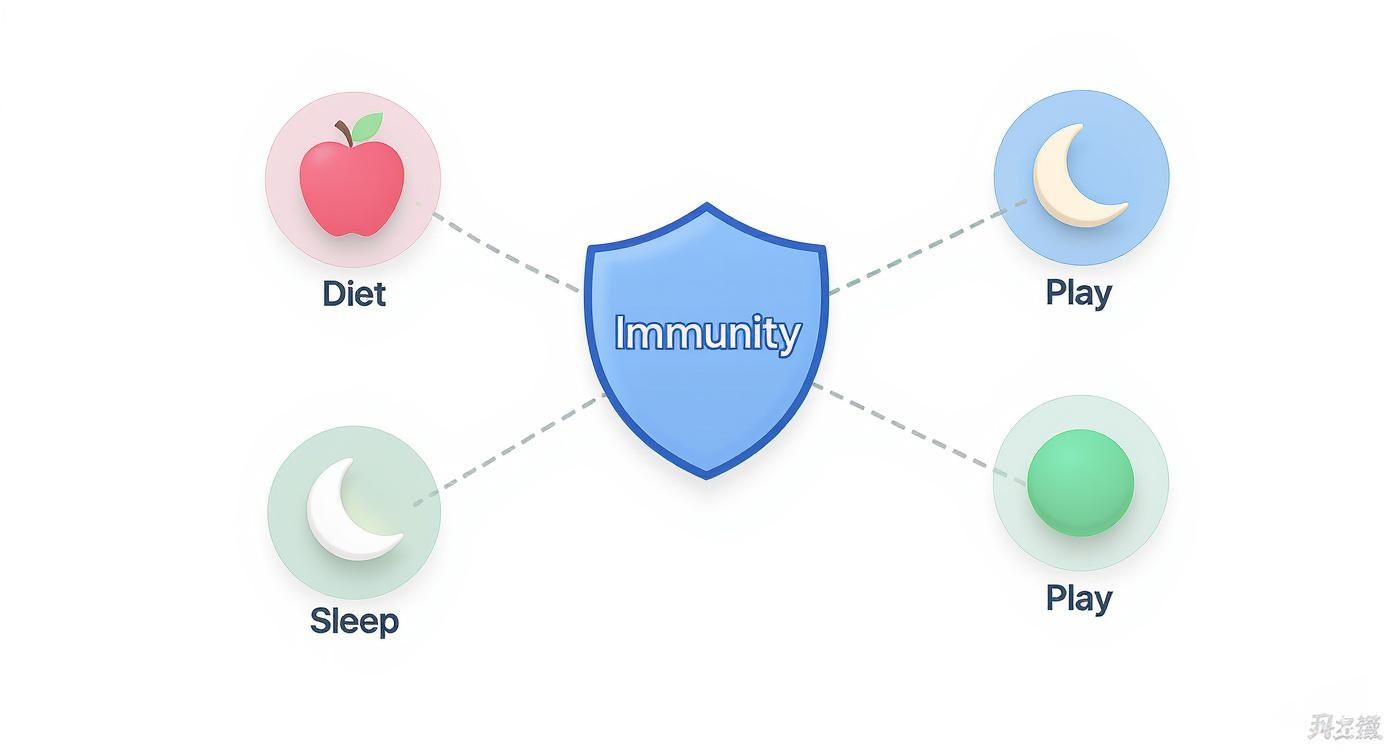
Just as you choose comfortable, well-made clothes that allow your child to play freely, building their immunity requires a similarly thoughtful approach to their diet and lifestyle. And when it comes to keeping those play clothes in great shape, we've got you covered. You can get some great advice by reading our guide on how to care for your child's clothes.
The Power Players: Top Immune-Boosting Foods for Kids
Alright, now that we have the key nutrients covered, let's talk about what to actually put on the plate to strengthen their immune system. Think of stocking your child's immunity "toolbox." You wouldn't build a house with just a hammer, right? In the same way, your child's body needs a whole variety of foods to build up its defenses. Loading their plate with a vibrant mix of these power players ensures they have every tool they need to stay healthy and fight off whatever comes their way.

This back-to-basics approach to health is popping up in other areas of parenting, too, like the shift towards gender neutral baby clothes. It’s funny because this "new" trend is actually a return to old-school practicality. Up until the 1940s, pretty much all babies just wore simple white dresses because they were easy. A 2023 survey even found that over 40% of new baby clothing lines now feature gender-neutral collections, marking a huge swing back to this common-sense thinking. You can discover more insights about the history of gender neutral baby clothes and see why it’s making such a comeback.
Fruits and Vegetables: The First Responders
Brightly colored fruits and veggies are your first line of defense. They’re absolutely packed with antioxidants and vitamins that protect the body’s cells and keep the immune system running smoothly.
- Citrus and Berries: Think oranges, strawberries, and blueberries. They are loaded with Vitamin C, which is famous for helping our bodies make more white blood cells—the little soldiers that fight off infections.
- Leafy Greens: Spinach and kale are nutritional superheroes, rich in antioxidants and Vitamin A. This vitamin is crucial for keeping the linings of our gut and respiratory tract strong, which is literally the body’s first wall against germs.
- Orange and Yellow Veggies: Sweet potatoes and carrots are full of beta-carotene. The body handily converts this into Vitamin A, giving those defensive barriers an extra layer of reinforcement.
An easy way to think about it is to "eat the rainbow." The different colors in fruits and vegetables usually signal different nutrients. A colorful plate is a healthy plate.
Proteins and Probiotics: The Building Crew
If fruits and veggies are the protectors, then proteins and probiotics are the construction crew. They provide the raw materials needed to build a strong immune system from the inside out.
Lean proteins are the literal building blocks for immune cells. Things like chicken, fish, beans, and lentils provide the amino acids required for a strong immune response. Simply put, without enough protein, the body can’t make enough defenders to go into battle against germs.
Yogurt, especially the kind with live cultures, brings good bacteria (probiotics) into the gut. A healthy gut is directly tied to a strong immune system; it helps regulate how the body responds to threats and keeps bad bacteria from taking over. A great tip is to choose plain yogurt and sweeten it yourself with fresh fruit to avoid all the added sugar.
Beyond the Plate: Other Keys to a Strong Immune System
A great diet is a fantastic starting point for your child’s health, but it’s really just one piece of a much bigger puzzle. If you want to build a truly tough immune system, you have to look at their whole lifestyle. It turns out that things like sleep and playtime are just as critical as the food on their plate.
Think of it like building with LEGOs. A nutrient-rich diet gives you the best, strongest bricks. But things like sleep, water, and activity are the steady hands that actually build the fortress. Without them, even the best bricks can't do their job properly.
The Non-Negotiable Role of Sleep
When your child is asleep, their body isn't just offline—it's in full-on repair and reinforcement mode. This is prime time for the immune system to produce and release crucial proteins called cytokines, which are like tiny heat-seeking missiles for infection and inflammation. If your little one doesn't get enough quality sleep, their body makes fewer of these defenders, leaving them more open to getting sick.
For babies and toddlers, this downtime is absolutely vital. Their immune systems are still under construction, developing at a lightning pace. That's why a consistent sleep schedule isn't just a nice-to-have; it's a non-negotiable part of keeping them healthy.
A well-rested child is a well-defended child. Making sleep a priority is one of the most powerful things you can do to keep their immune system primed and ready for action.
Hydration and a Happy Gut
Water is the unsung hero of a healthy body, and that includes the immune system. It’s the delivery truck that carries nutrients to cells and the cleanup crew that flushes out toxins. Good hydration also keeps the mucous membranes in the nose and throat—the body’s first line of defense—moist and sticky, which helps them trap germs before they can cause trouble.
On top of that, a massive part of the immune system actually lives in the gut. A healthy gut microbiome, which thrives on water and probiotic-rich foods, is a master at regulating immune responses. Simply keeping your kids drinking water throughout the day is a simple but incredibly effective way to support this internal army.
The Power of Playful Activity
Regular physical activity is another major player in immune health. We're not talking about boot camp for toddlers, just joyful, everyday movement. Playful exercise helps immune cells get around the body more efficiently, meaning they're better at finding and fighting off invaders quickly.
- Outdoor Play: Getting outside means fresh air, a dose of Vitamin D from the sun, and plenty of space to run, jump, and climb.
- Active Games: Even simple games like tag, chase, or having a dance party in the living room get their heart pumping in a fun way.
Just as you choose the right foods, making sure your child is comfortable while they play is essential. If you want to learn more about picking the right fabrics, you can check out our guide on soft organic baby clothes, which are perfect for keeping active kids comfy. By putting it all together—good food, solid sleep, plenty of water, and lots of play—you’re building a complete, holistic shield to keep your child healthy and strong.
Winning Over Picky Eaters With Nutrient-Dense Meals
Let's be honest, mealtimes with a picky eater can feel like a high-stakes negotiation where broccoli is the currency. It’s an incredibly common phase, but you can absolutely turn those stressful standoffs into positive experiences with a few clever strategies. The goal isn't to win a battle; it's to gently expand their world of food over time.
One of the most effective, psychologist-backed techniques is called food chaining. Think of it as building a bridge from a food your child already loves to a new one that's similar. If plain pasta is a winner, you could try introducing pasta with a tiny bit of butter. Once that's accepted, maybe you move on to a smooth, mild tomato sauce. It’s all about taking small, connected steps.
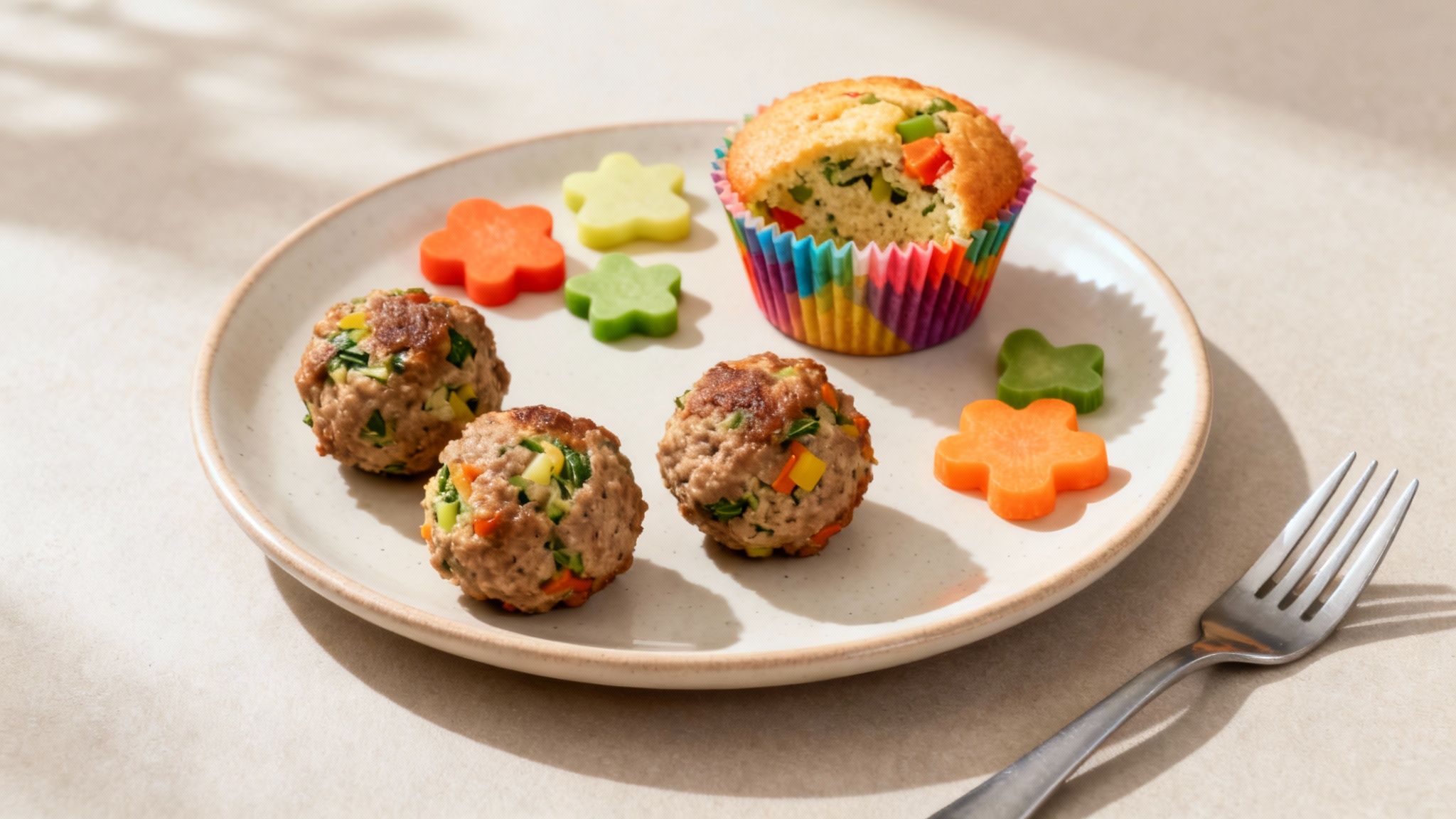
Another powerful tool? Make the food fun to look at. Kids really do eat with their eyes first, so a little creativity can make a huge difference. Use cookie cutters to turn sandwiches into stars, or arrange veggies into a smiley face on their plate. This simple shift can transform their mindset from "something I have to eat" to "something fun I get to eat."
Creative Recipes for Selective Palates
Sometimes, the best offense is a good defense—or in this case, a bit of stealth. Hiding nutrient-dense ingredients in their favorite foods is a classic parenting hack for a reason: it works. This is a great way to make sure they’re getting the vitamins and minerals they need while their taste buds play catch-up.
Here are a few ideas to get you started:
- Hidden-Veggie Meatballs: Finely grate zucchini or carrots and mix them right into your ground meat mixture. Once they're cooked in sauce, the veggies add moisture and a nutrient boost but are virtually undetectable.
- Colorful Pasta Sauces: Try blending steamed sweet potato or butternut squash into a basic tomato sauce. It adds a wonderful creamy texture, a hint of sweetness, and a powerful dose of Vitamin A.
- Nutrient-Packed Muffins: Believe it or not, you can add pureed spinach or even avocado to a batch of mini muffins. Ingredients like banana or a bit of cocoa powder will easily mask the color and flavor.
The key is to introduce new foods without any pressure. Just serve a tiny portion of something new alongside their tried-and-true favorites. If they don't touch it, don't make a big deal. It's the consistent, positive exposure that builds their confidence in the long run.
Making Smart Nutritional Swaps
A fantastic long-term strategy is to find healthier alternatives to the foods they already love. This isn’t about taking things away; it’s about upgrading their meals to better support their growing bodies and immune systems. You can make simple swaps that they might not even notice.
This table shows a few easy replacements that can make a big nutritional impact.
Smart Swaps for Picky Eaters
Making small changes to your child's favorite meals can significantly boost their nutritional intake. Here are some practical ideas to swap common cravings with healthier, immune-supporting alternatives.
| Common Craving | Nutrient-Rich Swap | Key Immune Benefit |
|---|---|---|
| French Fries | Baked sweet potato wedges seasoned with paprika. | High in Vitamin A, which supports skin and gut health—our first lines of defense. |
| Sugary Cereal | Plain oatmeal topped with fresh berries and a drizzle of honey. | Provides fiber for a healthy gut microbiome and antioxidants from berries. |
| Chicken Nuggets | Homemade baked chicken strips coated in whole-wheat breadcrumbs. | Offers high-quality lean protein without the excess sodium and processed fats. |
| Fruit Juice | A vibrant fruit smoothie made with whole fruit and plain yogurt. | Delivers fiber, probiotics, and vitamins without the concentrated sugar rush. |
By using these techniques, you can slowly and patiently guide even the most selective child toward a more varied and nutritious diet. Mealtime battles can truly become opportunities for delicious discovery.
Immunity in a Cup: Smoothie Recipes for All Ages
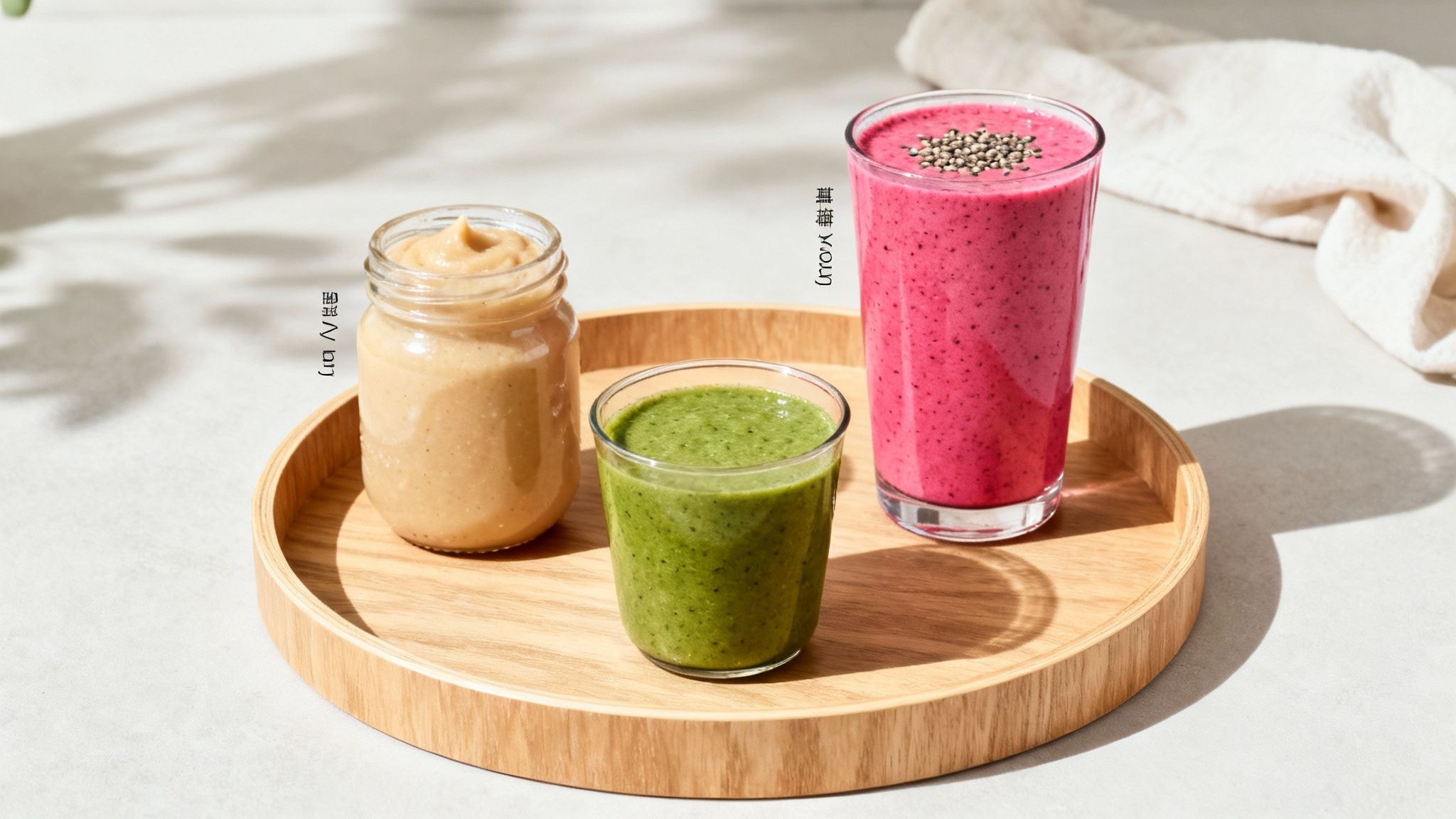
Let's be honest, getting kids to eat their fruits and veggies can sometimes feel like a full-time job. That's where the magic of smoothies comes in. They're a quick, delicious, and honestly, a pretty sneaky way to load up your little one's diet with all the good stuff they need. Blending up a nutrient-packed drink is one of the simplest hacks to make sure they're getting the vitamins and minerals that build a rock-solid immune system.
This whole idea of focusing on smart, practical solutions is something we see more and more from modern parents. It's the same mindset behind the rise of gender neutral baby clothes. Parents are gravitating toward versatile, comfy outfits that make dressing easier and can be passed down to siblings. It’s all about valuing things that are both functional and simple—whether it's a quick, healthy meal or a well-made onesie.
Simple Starters for Babies (6+ Months)
When your baby is just dipping their toes into the world of solid foods, think of smoothies as super-simple, drinkable purees. The key here is to keep it basic. Sticking to one or two ingredients at a time is perfect for introducing new flavors and keeping an eye out for any potential sensitivities. And, of course, make sure the consistency is thin enough for them to swallow safely.
- Avocado & Banana Dream: This one's a winner for brain development. Just blend half a ripe banana with a quarter of an avocado and a little breastmilk or formula to thin it out. It's creamy, gentle, and packed with healthy fats and potassium.
- Mango Magic: A fantastic source of Vitamin C! Blend a quarter cup of ripe mango chunks with a tablespoon of plain, full-fat yogurt. The yogurt adds a nice dose of probiotics for a happy tummy.
Just remember to add enough liquid to get that perfectly smooth, easy-to-drink texture.
Toddler-Friendly Blends
Once you hit the toddler stage, you can start getting a bit more creative. They're usually ready for more complex flavors, which makes it the perfect opportunity to sneak in some greens or healthy seeds.
A little tip from one parent to another: give the smoothie a cool name. "Dinosaur Juice" or "Superhero Smoothie" sounds a lot more exciting than "spinach drink" and can make all the difference.
You can't go wrong with the "Green Monster." It’s a classic for a reason! Toss a big handful of fresh spinach, half a frozen banana, a quarter cup of pineapple, and about half a cup of milk (any kind works) into your blender. The sweet fruit completely hides the taste of the spinach, and toddlers seem to love the bright green color.
Power-Packed Smoothies for Kids
For older kids with busy school days and endless energy, you can really ramp up the nutritional value. These smoothies are designed to be more dense, supporting their active bodies with protein, fiber, and a whole spectrum of nutrients to keep them going strong.
Sunshine Berry Smoothie
This one is an antioxidant powerhouse and tastes like a treat.
- Start with Berries: Add 1/2 cup of mixed frozen berries (strawberries, blueberries, and raspberries are a great combo) to your blender.
- Add Creamy Protein: Spoon in 1/4 cup of plain Greek yogurt.
- Get a Boost: Sprinkle in 1 tablespoon of chia seeds or ground flaxseed for a hit of omega-3s and fiber.
- Blend It Up: Pour in 1/2 cup of milk and blend until it's perfectly smooth.
It’s an ideal quick breakfast or a fantastic after-school snack that gives their immune system the support it needs.
Your Immune-Boosting Meal Plan and Shopping List
https://www.youtube.com/embed/visxjkAQpTU
Knowing what foods boost immunity is one thing, but actually putting it all into practice week after week? That can feel like a whole other challenge, especially with a family to feed.
To make life easier, I've put together a simple sample meal plan and a shopping list that you can use as a starting point. Think of it as a roadmap to get those immune-supporting foods onto the table without the guesswork.
It’s all about simplifying where you can. The same way parents love the ease of gender neutral baby clothes that mix and match effortlessly, a planned-out meal schedule can bring that same sense of calm and order to your kitchen.
Sample One-Week Immune-Boosting Meal Plan
This isn't about rigid rules. It’s a flexible guide packed with nutrient-dense, family-friendly ideas using the foods we've been talking about. Feel free to swap days or substitute ingredients based on what your family loves!
| Day | Breakfast | Lunch | Dinner |
|---|---|---|---|
| Mon | Oatmeal with berries & seeds | Lentil soup with whole-wheat bread | Baked salmon, sweet potato wedges & broccoli |
| Tue | Greek yogurt with mango & nuts | Turkey and cheese roll-ups | Chicken stir-fry with mixed bell peppers |
| Wed | Scrambled eggs with spinach | Leftover stir-fry | Whole-wheat pasta with hidden-veggie sauce |
| Thu | Sunshine Berry Smoothie | Hummus with carrot sticks & pita | Black bean burgers on whole-wheat buns |
| Fri | Whole-grain toast with avocado | Quinoa salad with chickpeas & cucumber | Homemade pizza on whole-wheat crust |
| Sat | Pancakes with sliced bananas | Leftover pizza | Mini meatballs with zucchini noodles |
| Sun | Oatmeal with a swirl of nut butter | Egg salad sandwich | Roasted chicken with carrots & potatoes |
Your Printable Shopping List
Here’s a shopping list organized by category to make your next grocery trip a total breeze. For even more tips on stocking up, especially if you have a little one on the way, check out our complete baby shopping list for first-time moms.
- Produce: Berries, bananas, mango, spinach, broccoli, sweet potatoes, bell peppers, carrots, avocado.
- Protein: Salmon, chicken, turkey, eggs, lentils, black beans, chickpeas.
- Dairy: Greek yogurt, milk, cheese.
- Pantry: Rolled oats, whole-wheat bread/pasta/buns, quinoa, seeds (chia/flax), nuts, nut butter.
Common Questions About Kids' Immunity
It feels like every parent has a million questions swirling around their head when it comes to their child's health. You want to do what's best, but sorting through all the advice can be a real headache. Let's clear up a few of the most common worries about building a strong immune system.
Are Vitamin Supplements Necessary?
For most kids who eat a reasonably balanced diet, the answer is no. They’re likely getting all the immune-boosting goodness they need right from their food. Supplements usually only come into the picture if a pediatrician points out a specific need, like low Vitamin D.
Before you even think about adding a supplement, always have a chat with your doctor. The "food first" philosophy really is the gold standard, as nutrients from whole foods are just more effective and easier for little bodies to use.
How Do I Handle a Picky Eater?
When you're dealing with a picky eater, consistency and a little bit of creativity are your secret weapons. Have you tried "hiding" finely grated zucchini or carrots in their favorite pasta sauce or meatballs? It works wonders. Sometimes, just offering a familiar dip like hummus or ranch is all it takes to make a plate of raw veggies disappear.
Another great trick is to get them involved in the kitchen. Let them help wash the broccoli or stir the soup. When they have a hand in making the meal, they're often far more willing to give it a try.
Remember, it can take 10-15 tries before a child even considers liking a new food. The key is to keep offering it in small, no-pressure amounts next to foods they already love. Celebrate every little nibble!
Does Getting Sick Actually Build Their Immunity?
It might sound counterintuitive, but yes, it does. Each time your child fights off a common bug, their immune system is essentially in training. It learns to recognize that specific germ, creates antibodies, and builds up a "memory" so it can shut down that same intruder much faster next time.
Of course, you never want your child to be seriously ill. But those run-of-the-mill colds are a normal—and even necessary—part of childhood. It’s how their immune system gets stronger and smarter for the years ahead.
At Yarafly, we know that healthy development happens through play, exploration, and a little bit of mess. Our clothes are designed to be comfortable and durable enough for every adventure, from discovering new foods at mealtime to running wild outdoors. Explore our mix-and-match styles today!