

on December 10, 2025
Confused by all the advice on keeping kids healthy? Here’s a little secret every parent eventually learns: a strong immune system isn't just about avoiding germs. The real key is fueling your child's body with the right vitamins and minerals from wholesome foods, not just relying on their age to dictate their health needs.
Your Quick Guide to a Stronger Immune System
Keeping your child healthy can feel like a total guessing game, right? One week they're full of energy, and the next, they've caught another cold from daycare. It’s a common frustration, and it all comes down to one simple truth: a child's immune system is still developing. Every kid grows on their own unique schedule, which is why building a foundation of good nutrition is a parent's best superpower.
To give you a head start, we've put together a handy reference chart. Think of it as your cheat sheet for the essential vitamins and minerals that power your child's natural defenses. It lays out the key nutrients, their benefits, and the best food sources for babies, toddlers, and big kids.
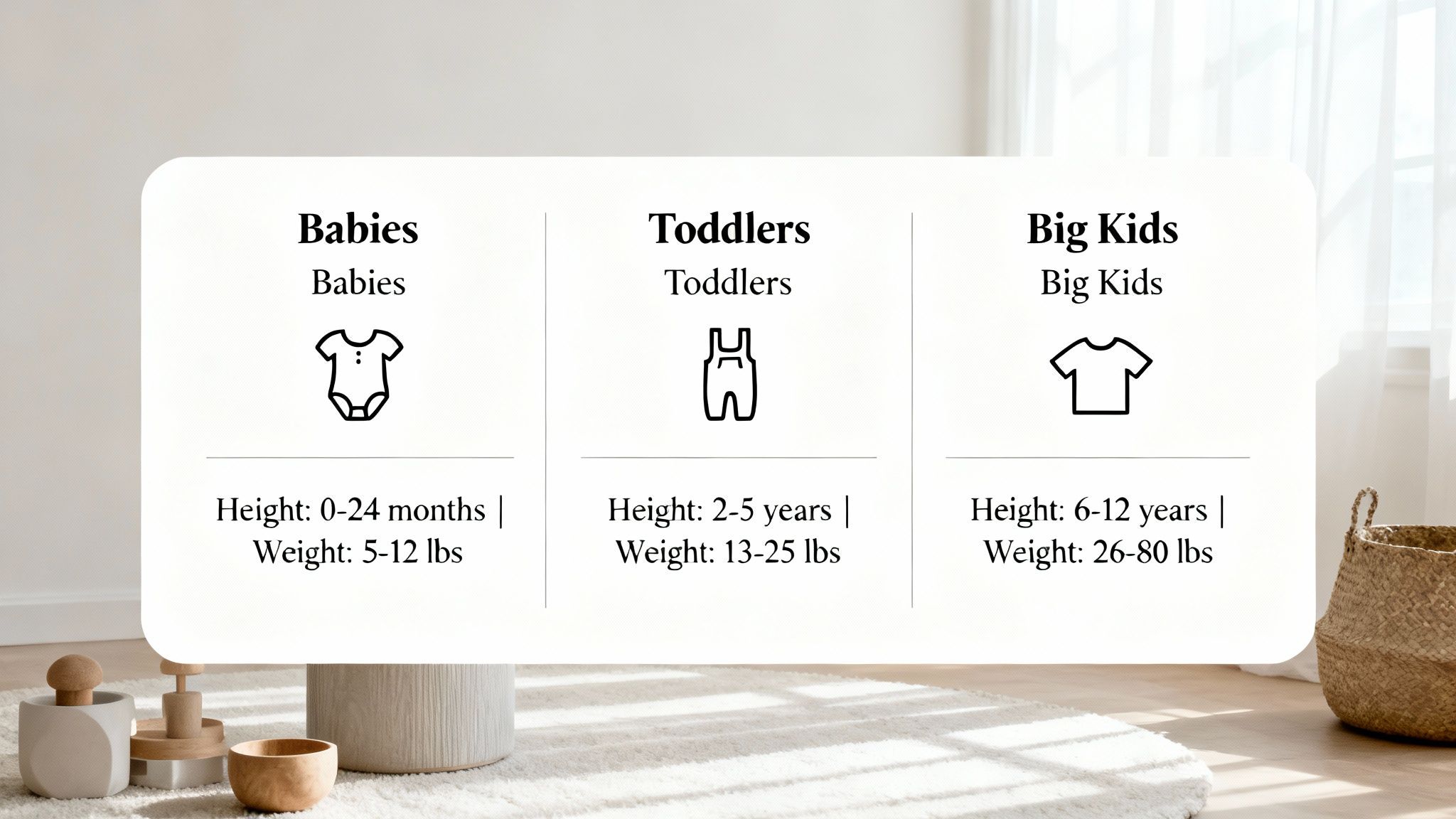
Making Sense of the Nutrients
At their core, immune-boosting foods are all about matching the right nutrients to your child's growing body. While nutritional needs change with age, they really correspond to specific developmental stages. For instance, a baby needs iron for brain development and immune cell production from sources like fortified cereals and puréed meats. Fast forward a bit, and a toddler needs Vitamin C from berries and oranges to help fight off infections. This nutrition-first logic continues all the way through the "big kid" years.
To help you see these nutrients at a glance, here’s a quick summary.
Quick Reference Children's Immunity-Boosting Foods Chart
| Age Range | Key Nutrients | Why They're Important | Great Food Sources |
|---|---|---|---|
| Babies (6-12M) | Iron, Zinc, Vitamin D | Brain development, cell growth, bone health | Fortified cereal, puréed meats, egg yolk, yogurt |
| Toddlers (1-3Y) | Vitamin C, Vitamin A, Calcium | Fights infection, vision, skin health, strong bones | Berries, citrus, sweet potatoes, carrots, dairy |
| Preschool (4-5Y) | Fiber, Probiotics, Omega-3s | Gut health, healthy bacteria, brain function | Whole grains, yogurt, kefir, salmon, flax seeds |
| Big Kids (6-8Y) | Vitamin E, B Vitamins, Magnesium | Antioxidant protection, energy, muscle function | Nuts, seeds, leafy greens, lean meats, bananas |
Keep this table in mind as a general guideline, but remember that a varied, colorful diet is always the most accurate guide to good health.
The most effective way to boost immunity is to focus on whole foods. Ignore the hype around supplements and focus instead on two key metrics: color and variety on your child's plate. This simple shift in approach will save you time, money, and countless worries.
From Baby to Big Kid: A Nutritional Snapshot
Navigating the changing dietary needs of your little one can be tricky. Here’s a quick breakdown of what to focus on as they grow:
- Babies (6-12 Months): Focus on single-ingredient purées rich in iron and zinc. Think puréed spinach, lentils, chicken, and fortified baby oatmeal.
- Toddlers (1-3 Years): Introduce a rainbow of soft-cooked veggies and fruits. Vitamin C from oranges and strawberries and Vitamin A from carrots and sweet potatoes are superstars.
- Big Kids (4-8+): Encourage them to try a wider variety of foods. This is the time to introduce Omega-3s from fish (like salmon) and probiotics from yogurt to support gut health, where a large part of the immune system lives.
By keeping these general rules and your child’s specific tastes in mind, you can build a healthy foundation. For a deeper dive into sizing clothes, take a look at our complete kids' clothing size chart to find the perfect fit every time.
Why Whole Foods Are Better Than a Supplement Bottle
Have you ever wondered if you should just give your child a daily multivitamin and call it a day? You're definitely not alone. Relying only on supplements is a classic recipe for missing out on the complex benefits of real food.
It’s simple, really: a child's body is designed to absorb nutrients from whole foods, where vitamins and minerals work together in perfect harmony.
Picture two kids. One gets their Vitamin C from an orange, which also provides fiber, water, and other plant compounds (phytonutrients). The other gets it from a chewable tablet. The first child gets a complete nutritional package that supports digestion and overall health. Their body knows exactly what to do with the nutrients. Food provides a synergy that supplements just can't replicate.
The Story Behind Nutritional Needs
The beautiful variety we see in kids' bodies is all down to a mix of genetics, diet, and how active they are. Some children might be more prone to colds, while others have iron-clad immune systems. All these little differences mean that children's sizes by age are, at best, a very rough guess for clothing, and the same principle applies to nutrition—a one-size-fits-all approach doesn't work.
This isn't exactly breaking news. The importance of diet in childhood development has been known for a long, long time.
Believe it or not, the connection between diet and health has been studied for decades. Research consistently shows that children who eat a balanced diet rich in fruits, vegetables, and whole grains have stronger immune systems and better overall health outcomes. A study from way back in 1941 looked at how to create standard sizing standards at the USDA's digital exhibits, showing that physical growth is directly tied to nutrition.
This history is exactly why focusing on a colorful plate of food is far more beneficial than just checking off a list of vitamins.
Moving Beyond Age for Better Health
So, what’s a parent to do? It all comes down to a simple shift in thinking: focus on providing a variety of healthy foods, not just hitting an age-based milestone. Instead of asking, "What should a three-year-old eat?" try asking, "How can I get more colorful vegetables into my three-year-old's meals?" This one small change is the secret to building a robust immune system.
This idea of tuning into your child's individual needs applies to so many other parts of parenting, too. A child's unique body dictates their clothing size, and in the same way, their personal readiness is the best guide for other big milestones. For example, getting a better handle on understanding when your child is ready for potty training shows just how much more important their individual cues are than their age.
When you start with real food, you build healthy habits that last a lifetime. Taking a few moments to plan colorful meals gives you the power to shop with confidence, knowing you're picking out foods that will actually nourish their unique, growing body.
How to Feed Your Child for a Perfect Immune Boost
Tired of the constant sniffles? Offering a variety of nutrient-dense foods is the single best way to strengthen your child's immune system. And no, it doesn't have to be a struggle. With a few tricks up your sleeve, you can make healthy eating a fast and easy game.
This visual shows why we need to look beyond age. Age is just the starting point; a varied diet is what really matters for healthy growth.
As you can see, while age gives you a ballpark, a child's actual diet is what truly dictates how well their immune system functions.
Four Essential Food Groups for a Great Defense
Grab a grocery list. That's all you need to get the four key food groups that nearly every nutritionist recommends. Getting these right makes meal planning—both for school lunches and family dinners—so much easier.
- Colorful Fruits & Veggies: Think of eating the rainbow. Berries, citrus fruits, kiwi, bell peppers, spinach, and broccoli are packed with Vitamin C, a powerful antioxidant that helps the body fight infection.
- Lean Proteins: Chicken, fish, beans, lentils, and eggs provide the building blocks for immune cells. Zinc, found in lean meats and beans, is particularly crucial for a well-functioning immune system.
- Probiotic-Rich Foods: A healthy gut is the foundation of a healthy immune system. Yogurt, kefir, and other fermented foods contain beneficial bacteria that help keep the digestive system in balance.
- Healthy Fats: Foods like avocados, nuts, seeds, and salmon contain Omega-3 fatty acids, which help reduce inflammation and support immune cell activity.
Pro Tip: Keep a list of "immune booster" foods on your phone. Having it handy at the grocery store means you can confidently stock up on ingredients that guarantee a healthy, delicious meal every single time.
Making Healthy Eating Fun for Picky Eaters
Let's be real: getting a toddler to try something green is a Herculean task. The secret is to reframe it as a game instead of a chore.
- Play "Dinosaur Trees": Challenge them to eat their "dinosaur trees" (broccoli florets) to gain superhero strength. Serve with a healthy dip like hummus or yogurt ranch.
- Make it a Shape Game: Use cookie cutters to make fun shapes out of whole-wheat sandwiches, fruits, and cheese. A star-shaped cucumber is suddenly much more exciting!
- The "Build Your Own..." Bar: Set up a taco, pizza, or yogurt parfait bar. Giving kids control over their toppings empowers them and makes them more likely to try new things.
By making it a game, you get the nutrients you need into them without any fuss. For more advice on nailing the perfect fit for clothes, our children's clothes height guide has even more tips.
Delicious Recipes: Smoothies and Meals for All Ages
Here are some easy, kid-approved recipes to get you started.
Immunity-Boosting Smoothie Recipes
- Baby's First Green Smoothie (6m+): Blend 1/2 banana, a handful of spinach, and 2-3 tbsp of plain full-fat yogurt. Add breastmilk, formula, or water to thin to desired consistency.
- Toddler's "Orange Sunshine" Smoothie (12m+): Blend 1/2 cup orange juice, 1/2 cup plain yogurt, 1/4 cup chopped carrots (steamed until soft), and 1/2 cup frozen mango chunks.
- Big Kid's "Berry Power" Smoothie (3y+): Blend 1 cup of mixed frozen berries, 1/2 cup milk (dairy or non-dairy), 1/4 cup plain yogurt, and 1 tbsp of chia seeds for extra fiber and omega-3s.
Fun Food for Picky Eaters
- "Hidden Veggie" Meatballs: Add finely grated zucchini and carrots to your favorite meatball recipe. Simmer in a tomato sauce rich in Vitamin C and serve with whole-wheat pasta.
- Sweet Potato "Fries": Cut sweet potatoes into fry shapes, toss with a little olive oil and a pinch of cinnamon, and bake until tender. They're packed with Vitamin A.
Navigating Baby, Toddler, and Big Kid Nutritional Needs
Once you’ve got the basics down, you're ready to tailor nutrition to your child's age. Let's be honest, it can feel like you're trying to crack a secret code with all the different advice. This section is your personal roadmap, breaking down exactly what they need through the three main stages of your child's growth.
We’ll start with those tiny baby steps into solids, move through the picky toddler years, and land in the "big kid" section. Think of this as your go-to guide for feeding your child with confidence, no matter how old they are.

Decoding Baby's First Foods: 6 to 12 Months
A baby's first foods are probably the most straightforward because they're almost entirely about two things: iron and easily digestible textures. In these early months, babies grow at an astonishing rate, so their nutritional needs are high.
You'll usually start with single-ingredient purées:
- Iron-Fortified Cereal: This is a classic first food for a reason. A baby's natural iron stores start to deplete around 6 months.
- Puréed Meats & Lentils: Excellent sources of both iron and zinc, which are crucial for immune function.
- Orange & Green Veggies: Puréed carrots, sweet potatoes, peas, and green beans introduce key vitamins like A and C.
- Yogurt & Egg Yolk: Great sources of protein, Vitamin D, and healthy fats for brain development.
The real trick here is to introduce one new food every 3-5 days to watch for any potential allergies and to pay more attention to their hunger cues than the amount on the spoon.
Understanding Toddler Nutrition: 1 to 3 Years
And just like that, you're in the toddler years! This is where eating can get a little confusing, mainly because of emerging independence and pickiness. The key is consistency and variety.
Toddlers are busy. They're mastering walking, still have that adorable potbelly, and—most importantly—are forming lifelong eating habits. Focus on nutrient-dense finger foods they can manage themselves.
- Vitamin C Power: Offer small pieces of oranges, strawberries, and bell peppers.
- Healthy Fats: Avocado slices and a thin layer of nut butter on whole-grain toast support brain development.
- Calcium for Bones: Cubes of cheese, yogurt, and fortified milk are essential.
Big Kid Nutrition: 4 and Up
Once your child is more adventurous with food, it's time to solidify those healthy habits. "Big kid" nutrition is about balance and teaching them to listen to their bodies. The biggest difference is portion size and encouraging them to eat a "rainbow" every day.
A balanced plate should include a lean protein, a whole grain, and plenty of fruits and vegetables. For a deep dive into how measurements work for pants, you'll want to check out our complete guide to the kids' pants size chart. This is also the stage where teaching them about "sometimes" foods vs. "anytime" foods can make a big difference.
International Food Ideas Made Simple
Exploring foods from around the world opens up a fantastic world of flavor and nutrients.
Introducing global cuisines is a game-changer because it naturally diversifies your child's palate and nutrient intake. It completely removes the guesswork of what to cook for dinner. If you make a simple chicken and veggie stir-fry, you're hitting multiple food groups at once.
Many cultures worldwide have a history of immune-supportive diets. For example, Mediterranean diets are rich in healthy fats from olive oil and fish, while many Asian cuisines feature ginger, garlic, and fermented foods—all known for their health benefits.
To help you get started, here's a general idea chart.
Comprehensive Kids Immune-Boosting Meal Ideas
| Food Type | Example | Key Nutrients | Typical Age |
|---|---|---|---|
| Breakfast | Oatmeal with berries & seeds | Fiber, Vitamin C, Omega-3s | 1 Year+ |
| Lunch | Lentil soup with whole-grain bread | Iron, Zinc, Fiber | 1 Year+ |
| Snack | Apple slices with nut butter | Fiber, Healthy Fats, Vitamin C | 1 Year+ |
| Dinner | Baked salmon with broccoli & quinoa | Omega-3s, Vitamin C, Protein | 2 Years+ |
| Drink | Kefir or plain yogurt | Probiotics, Calcium, Protein | 1 Year+ |
By getting a handle on these three stages and how to incorporate a variety of foods, you can cook for your family knowing you're building strong immune systems.
Common Feeding Issues and How to Solve Them
So you’ve measured out the ingredients, consulted the recipes, and served what you thought was the perfect meal. But when you present it, your child refuses to even try it. Maybe they only want to eat white foods. Or they eat like a champ one day and a bird the next.
Sound familiar? This is where the real art of feeding kids comes in—moving beyond the ideal meal plan.
Every kid is different. Some are adventurous eaters, others are cautious, and some go through phases of extreme pickiness. The trick is to stop fighting over food and start building a positive, pressure-free environment. Once you can spot the common feeding problems, you'll know exactly what to look for and how to fix them.
Solving the Most Frequent Mealtime Problems
Let's break down the most common feeding headaches. Learning to recognize these patterns will make you a much calmer parent, whether you're at the dinner table or packing a lunchbox.
Here are the top issues parents run into and how to handle them:
-
The Problem: Your child refuses to try new foods.
-
The Solution: The "no-pressure" approach is your best friend. Offer one new or less-liked food alongside two or three "safe" foods you know they'll eat. Don't comment on whether they eat the new food or not. Repeated, neutral exposure is the key. It can take 10-15 tries before a child accepts a new food.
-
The Problem: Your toddler was a great eater but now only wants crackers and pasta.
-
The Solution: This is a classic toddler power struggle. The fix is simple: you control what is served, and they control if and how much they eat. Keep offering a variety of healthy options at every meal. This phase will pass if you don't turn meals into a battleground.
-
The Problem: Your child says they're full after two bites but asks for a snack 10 minutes later.
-
The Solution: Establish a kitchen routine. Explain that the kitchen is "closed" between meals. If they don't eat much at dinner, they can wait until the next scheduled meal or snack time. This teaches them to listen to their hunger cues during mealtimes.
Why Is My Kid So Picky?
One of the most maddening things about feeding kids is their inconsistency. A food they loved last week is suddenly "yucky." It's not your imagination—it's because picky eating is a normal developmental stage. For toddlers, it's often about exerting control and independence.
Every brand of advice will tell you something different. The real secret is to find what works for your family's routine and stick with it.
The secret is to find your go-to healthy meals and stick with them. Once you discover a handful of nutritious recipes that your child generally accepts, you can rotate them and slowly introduce new things without the constant stress of mealtime battles.
How to Deal with Picky Eating
Instead of letting food fights drive you crazy, use smart strategies to your advantage. A few simple tricks can help you get more nutrients into them without the drama.
1. Involve Them in the Process
Take them to the grocery store to pick out a new vegetable. Let them wash the lettuce or stir the batter. Kids who are involved in meal prep are far more likely to try the finished product.
2. Make Food Fun
Serve "deconstructed" meals where they can assemble their own plate. Use dips like hummus or yogurt to make veggies more appealing. The more playful you make it, the less pressure they'll feel.
3. Be a Role Model
Let your child see you eating and enjoying a wide variety of healthy foods. Your actions speak louder than any lecture about why broccoli is good for them. Family meals are the perfect time to model healthy habits.
Smart Shopping Strategies for Growing Kids
Let's be honest: keeping a growing kid fed with healthy food can feel like you're constantly at the grocery store. It's a never-ending cycle that can put a real strain on your budget. But with a few simple tricks up your sleeve, you can build a pantry that supports their immune system without breaking the bank.
It all comes down to shopping with a plan.
When to Buy Organic (and When Not To)
One of the best money-saving hacks is to be strategic about buying organic. For some produce, buying organic can significantly reduce pesticide exposure. The Environmental Working Group's "Dirty Dozen" list is a great guide—focus on buying organic versions of foods like strawberries, spinach, and apples.
But this isn't a one-size-fits-all rule. For produce with thick, inedible peels (like bananas, avocados, and pineapples), conventional is often perfectly fine. Don't let the cost of organic food prevent you from buying fruits and vegetables.
- Prioritize Organic For: Thin-skinned produce where you eat the peel.
- Save Money On: Produce with thick peels you discard.
- Frozen is Great: Frozen fruits and veggies are just as nutritious as fresh and are often more affordable.
Nailing Meal Planning
Shopping without a list is a lifesaver for busy parents and budgets. That’s why understanding what you have and what you need before you go to the store is an absolute must. Always look at two things: your pantry/fridge and the weekly sales flyer.
A meal plan is your best defense against impulse buys and takeout. Before you shop, take five minutes to plan out a few dinners for the week. It's the single best thing you can do to eat healthier and save money.
Just as important is knowing you have a backup plan. What happens on a busy night? Keep pantry staples like pasta, canned beans, and frozen vegetables on hand for a quick, healthy meal. We designed our Shipping and Return policy at Yarafly to be completely straightforward, making exchanges simple if you need a different size for clothing. When you approach meal planning with the same practical mindset, you can feed your family with confidence.
By knowing when to splurge, when to save, and how to plan ahead, you can spend less time stressing about food and more time enjoying those family meals.
Your Top Kids' Nutrition Questions, Answered
Even with the best meal plan in hand, a few questions always seem to pop up. Let’s tackle some of the most common puzzles parents face so you can sort out those last little details and feed your family with confidence.
What’s the Real Difference Between Whole Grains and White Bread?
Ah, the classic carb dilemma. This one trips up so many parents, especially when dealing with picky eaters who only want white foods. While they may look similar, these two types of grains are worlds apart nutritionally.
Think of it this way: a whole grain (like in 100% whole-wheat bread, oatmeal, or brown rice) contains all parts of the grain kernel. This means it's packed with fiber, B vitamins, and iron—nutrients that provide sustained energy and support a healthy digestive system.
On the other hand, a refined grain (like in white bread or white pasta) has had the most nutritious parts stripped away. This leaves mostly starch, which the body quickly converts to sugar, leading to energy spikes and crashes.
How Often Should My Kid Actually Eat?
Kids have small stomachs and high energy needs, which means they need to eat more frequently than adults. One minute they're not hungry, and the next they're "starving." Staying on top of a regular meal and snack schedule is the single best way to avoid meltdowns and ensure they're getting the fuel they need.
As a rule of thumb, it's a good idea to offer babies and toddlers a meal or snack every two to three hours. For preschoolers and older kids, aiming for three meals and one to two snacks a day usually does the trick. A predictable schedule helps regulate their appetite and mood.
Making this a regular habit saves you a ton of guesswork and ensures they're always getting the nutrients they need.
Should I Just Give My Kid a Multivitamin?
"Sizing up" with a multivitamin seems like a simple insurance policy, but it's not always necessary and can't replace a healthy diet. For most healthy children who eat a varied diet, supplements aren't needed.
Consider asking your pediatrician about a supplement for these kids:
- Extremely picky eaters who consistently miss entire food groups.
- Kids with medical conditions that affect nutrient absorption.
- Kids on a vegan diet who may need B12.
But for most kids, the vitamins and minerals from whole foods are far better absorbed and utilized by the body. Always stick to real food as your primary source of nutrition—it’s about building healthy habits, not just filling nutritional gaps.
At Yarafly, we get it. Fueling your child with healthy food is just as important as finding the perfect fit for their clothes. Our playful, durable collections are made for real kids doing real-kid things, and our size charts are here to help. Check out our adorable outfits and make your next shopping trip a breeze at Yarafly.com.