

on December 19, 2025
Ever wonder how you can help your child fight off the seemingly endless stream of sniffles and colds? It’s a common puzzle for parents. While a strong immune system is complex, one of the most powerful tools you have is right in your kitchen. Providing the right nutrients is the secret to building up their natural defenses and helping them stay healthy and active.
Your Quick Guide to Immunity-Boosting Nutrition
Figuring out what to feed your kids for a strong immune system shouldn't feel like a guessing game. A balanced diet rich in vitamins and minerals is the cornerstone of good health. Think of food as the fuel that powers their immune cells, making them ready to fight off germs. Focusing on whole, colorful foods is the most dependable way to ensure they get the nutrients they need to thrive.

Since every child's appetite can vary, offering a variety of nutrient-dense foods is a game-changer. A "rainbow" on their plate isn't just fun—it ensures they're getting a wide range of vitamins and minerals. This is especially true when you're trying to build healthy habits that will last a lifetime.
Quick Reference Immunity-Boosting Foods
To make things a bit easier, we've put together a simple, at-a-glance list of key nutrients and the foods where you can find them. It covers the essentials for building a robust immune system, giving you a quick reference point for your next grocery run.
| Nutrient | Why It's Important | Found In |
|---|---|---|
| Vitamin C | Antioxidant Power | Oranges, strawberries, bell peppers, broccoli, kiwi |
| Vitamin D | Immune Cell Function | Fortified milk, salmon, eggs, sunlight |
| Zinc | Fights Infection | Lean meats, beans, nuts, whole grains |
| Vitamin A | Protects Linings | Carrots, sweet potatoes, spinach, kale |
| Probiotics | Gut Health | Yogurt, kefir, fermented foods |
| Protein | Builds Antibodies | Chicken, fish, eggs, lentils, tofu |
Think of this table as your starting block. The best way to use it is to incorporate a variety of these foods into your child's weekly meals to ensure they have the building blocks for a strong immune system.
Why Whole Foods Are Better Than Supplements
Every parent has been there. You see ads for children's immunity gummies and wonder if you should grab a bottle. It's a classic parenting puzzle that points to one simple truth in the world of children's nutrition: whole foods provide a synergy that supplements can't replicate.
Kids need a wide array of vitamins, minerals, and phytonutrients to thrive. Their immune system is a complex network of cells and proteins, and it relies on consistent, high-quality fuel. It's why two kids on different diets can have very different responses to common illnesses.
The Problem with Averages
So why does this happen? Many supplements are designed around "average" daily values, but the nutrients in food work together. For example, the vitamin C in an orange helps the body absorb the iron from a serving of spinach. This teamwork is what makes whole foods so powerful. Sticking strictly to isolated supplements often misses this bigger picture.
This isn't a new concept. For centuries, traditional medicine has emphasized the importance of a balanced diet for overall health. Modern science confirms this, showing that the fiber, antioxidants, and various micronutrients in foods like fruits, vegetables, and whole grains create a robust defense system. For more on a child's overall development, check out our guide to choosing the right clothes for your child’s age.
"Your child's health is paramount. A diet rich in colorful fruits and vegetables provides the essential vitamins and minerals their immune system needs to function at its best. Always prioritize real food over processed options."
Why a Balanced Diet Matters Most
Serving a variety of foods is hands-down the best way to support your child's immunity. A rainbow of colors on their plate ensures they get a wide spectrum of nutrients. With these foods, you can confidently build a strong foundation for their health.
Thinking about nutrition is a lot like other childhood milestones. For example, parents often wonder about what age kids lose teeth, which is a natural part of their physical development. You wouldn't try to rush that process, and the same logic applies to building a strong immune system—it requires consistent, long-term nourishment.
At the end of the day, the nutrients on their plate are far more powerful than what you'll find in a bottle. When you shift your focus from supplements to a diverse diet, you can build a stronger, more resilient immune system for your child.
How to Feed a Picky Eater for a Stronger Immune System
Let's be honest, convincing a picky eater to try new, healthy foods is a total challenge. Taking a few simple, creative approaches is the secret to getting those vital nutrients into their diet. It takes the guesswork out of mealtime and makes sure every bite is packed with immune-boosting goodness. All you'll need is a little patience and a few clever ideas.
For the best results, make food fun and involve your child in the process. A toddler who helps wash strawberries or sprinkle cheese is much more likely to try the final dish. If you've got a stubborn eater on your hands, turn it into a game or offer healthy choices to give them a sense of control.
Creative Recipes for Picky Eaters
Getting the right nutrients in is easy once you know a few tricks. Focus on these simple recipes, and you’ll be able to boost their immunity like a pro.
- "Hulk" Mac and Cheese: Prepare your favorite mac and cheese recipe. While the pasta cooks, blend a handful of fresh spinach with the milk until smooth. The sauce will turn bright green, but the taste is barely noticeable.
- Sweet Potato "Fries": Cut sweet potatoes into fry shapes, toss with a little olive oil and a pinch of salt, and bake until crispy. They are packed with Vitamin A and much healthier than regular fries.
- Chicken Veggie Nuggets: Finely chop or grate zucchini and carrots and mix them into ground chicken or turkey. Form into nugget shapes, coat in whole-wheat breadcrumbs, and bake.
- Pizza Faces: Use whole-wheat pita bread or English muffins as a base. Let your kids create faces using tomato sauce, shredded cheese, and a variety of colorful veggie toppings like bell pepper strips for mouths and olive slices for eyes.
- Dipping Fun: Kids love to dip! Serve raw veggie sticks like cucumbers, carrots, and bell peppers with a yummy dip like hummus or a yogurt-based ranch dressing.
Tips for Making Mealtimes Successful
Once you have these recipes, create a positive environment! I keep meal times low-pressure and praise them for trying something new, even if it's just one bite.
Pro Tip: A child’s favorite food can be a great vehicle for new nutrients. If they love pasta, try a lentil-based pasta for extra protein and fiber, or mix finely chopped broccoli into their favorite tomato sauce. It usually leads to a much better outcome.
Kids' preferences change, so it’s a good idea to reintroduce foods they've previously rejected. For a closer look at how sizing relates to their growth, check out our detailed children's clothes height guide. With these simple tricks, you can make mealtimes more peaceful and keep your kiddo healthy with foods they actually enjoy.
Delicious & Nutritious Smoothie Recipes
Smoothies are a fantastic way to pack a nutritional punch, especially for kids who might be picky about fruits and vegetables. They are quick, easy, and can be customized to suit any taste. What a US parent calls a "smoothie" is a universal favorite for delivering vitamins and minerals in a delicious format.
The biggest hurdle is getting the right balance of flavor and nutrition. In the US and UK, smoothies are often loaded with fruit, but adding veggies, protein, and healthy fats is key for a truly balanced and immune-boosting drink. The European (EU) approach often includes yogurt or kefir for probiotics, which is a great idea. This is the main reason you should aim for variety in your ingredients.
Understanding the Smoothie Systems
To get the right blend, you have to stop thinking about just fruit and start thinking about a balanced recipe. A baby-friendly smoothie might be simpler, while a toddler's can include more textures and greens. A smoothie for an older kid can be packed with protein to support their active lifestyle. It's a much more literal system and, honestly, often more effective if you have the right ingredients handy.
US and UK recipes often focus on sweetness. We all know how much kids love that. A handful of spinach can be easily hidden by the sweetness of a banana, while a spoonful of almond butter adds protein and healthy fats to keep them full longer.
This is where taking a moment to plan comes in. Key ingredients like yogurt (probiotics), spinach (Vitamin A), berries (Vitamin C), and chia seeds (omega-3s) will always give you a better immunity boost than a fruit-only blend.
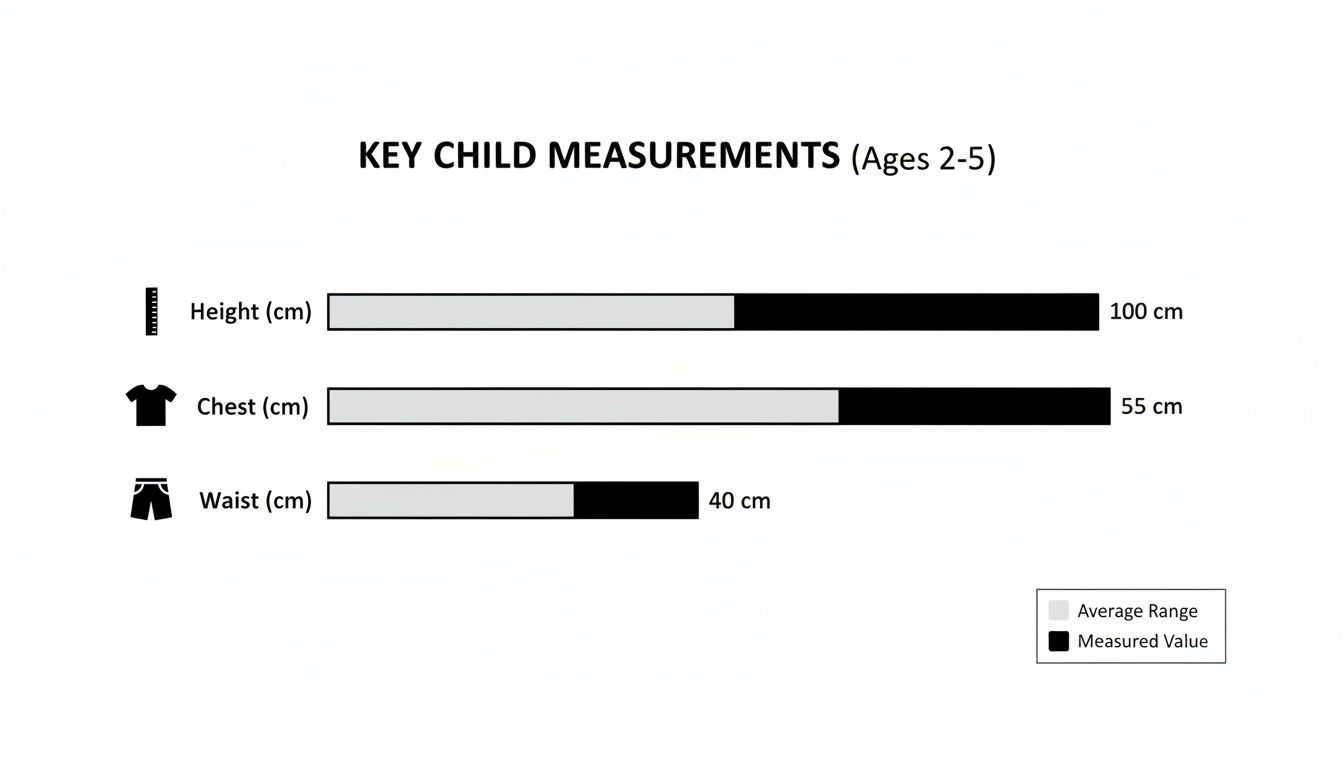
As you can see, these ingredients paint a much clearer picture, helping you bypass the confusion of what to include and get straight to what will actually boost their health.
Navigating Smoothie Recipes
The differences between smoothies for different ages aren't small. For babies, you want a very smooth texture and simple ingredients. For toddlers and kids, you can add more complex flavors and textures. For instance, a baby's first smoothie might just be avocado and banana blended with breast milk or formula. An older kid's smoothie could handle kale, pineapple, and coconut water. If you want to dive deeper, you can explore more about these conversion complexities in nutrition.
A handy rule of thumb: If you're introducing a new ingredient like spinach or kale, start with a small amount and pair it with a strong, sweet fruit like pineapple or mango.
To give you a head start, we've put together some simple recipes. Just remember this is a general guide—feel free to experiment based on what your child likes!
Simple & Healthy Smoothie Recipes
This table gives you a side-by-side look at smoothie ideas for babies, toddlers, and big kids. Use it as a quick reference when you're looking for a fast, nutrient-packed snack or breakfast.
| Age Group | Recipe Name | Ingredients | Instructions |
|---|---|---|---|
| Babies (6m+) | Avocado Banana Dream | 1/2 ripe banana, 1/4 avocado, 2-3 oz breast milk/formula | Blend until completely smooth. |
| Toddlers | Sunshine Smoothie | 1/2 cup mango, 1/4 cup plain yogurt, a few spinach leaves, splash of water | Blend until creamy. |
| Kids | Berry Power Smoothie | 1 cup mixed berries, 1/2 banana, 1 tbsp almond butter, 1/2 cup milk | Blend until smooth and serve immediately. |
By keeping these simple recipes in mind, you can feel much more confident whipping up a healthy and delicious smoothie that your child will love.
Complete Guide to Immunity-Boosting Foods for Every Age
Trying to keep up with kids' nutritional needs can feel like you're chasing a moving target. Just when you think you have it figured out, they hit another growth spurt. That's why a good list of go-to foods is your best friend. From those first purees for baby to balanced meals for the "big kid" stage, each phase has its own nutritional focus. Getting familiar with these foods is truly the best way to make sure every meal is supporting their immune system.
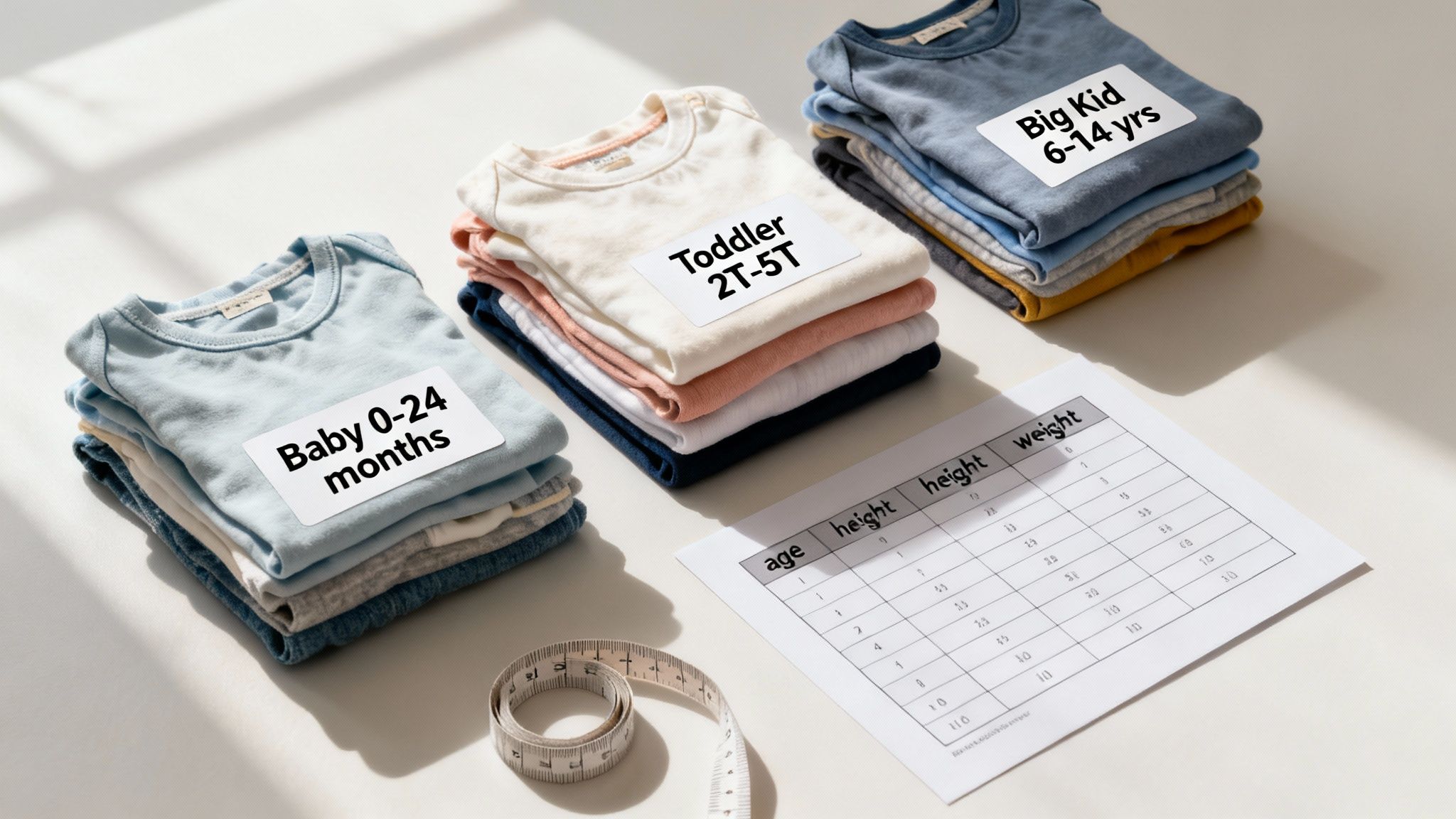
This section is your go-to reference, breaking down the best foods for children's immunity by age for babies, toddlers, and older kids. Use these lists to shop with confidence, whether you’re clicking "add to cart" online or browsing the farmers market.
Baby Foods (6 to 24 Months)
A baby’s first two years are a whirlwind of growth. Their immune system is still developing, which means introducing nutrient-rich foods is key. Key nutrients like iron and zinc are crucial during this time. For example, iron-fortified baby cereal and pureed meats are excellent first foods. By their first birthday, it’s not unusual for them to be enjoying soft-cooked, vitamin-A-rich foods like carrots and sweet potatoes.
| Nutrient | Age Range | Best Foods | Why It's Important |
|---|---|---|---|
| Iron | 6-12 months | Iron-fortified cereal, pureed meats, beans | Crucial for brain development and oxygen transport. |
| Zinc | 6-12 months | Pureed beef, lentils, yogurt | Supports immune cell function and healing. |
| Vitamin C | 6-24 months | Mashed strawberries, pureed broccoli | Helps absorb iron and acts as an antioxidant. |
| Vitamin A | 6-24 months | Mashed sweet potato, carrots, spinach | Protects the body's linings (gut, lungs). |
| Healthy Fats | 6-24 months | Mashed avocado, yogurt | Essential for brain growth and absorbing vitamins. |
Toddler Foods (2T to 5T)
Once babies are up and walking, they morph into toddlers, and their appetites can become unpredictable. This is where you'll notice the importance of making every bite count. "Toddler" nutrition is about consistency and variety. Toddler meals should be packed with color.
Toddler nutrition still relies heavily on key vitamins. Beyond just the nutrients, finding practical and fun gifts for your daughter at every stage often means paying attention to how her tastes and preferences grow and change.
| Nutrient | Age Range | Best Foods | Why It's Important |
|---|---|---|---|
| Vitamin D | 2-5 years | Fortified milk, salmon, eggs | Critical for immune response and bone health. |
| Calcium | 2-5 years | Yogurt, cheese, leafy greens | Builds strong bones and supports cell function. |
| Fiber | 2-5 years | Berries, oatmeal, whole wheat bread | Feeds good gut bacteria, which is key for immunity. |
| Probiotics | 2-5 years | Yogurt, kefir | Supports a healthy gut microbiome. |
| Antioxidants | 2-5 years | Blueberries, bell peppers, tomatoes | Protects cells from damage. |
Big Kid Foods (6 to 14 Plus)
After kids graduate from the "toddler" stage, their nutritional needs increase to support school, sports, and growth. At this point, teaching them to make healthy choices is more important than ever. You'll also see that their need for protein and complex carbs increases to fuel their active bodies.
Key Takeaway: Age is a great starting point, but always lean on variety and consistency to build a strong immune system. Whenever you can, double-check that you're offering a rainbow of colors—it's the easiest way to ensure a broad range of nutrients.
| Nutrient | Age Range | Best Foods | Why It's Important |
|---|---|---|---|
| Protein | 6-14+ years | Lean chicken, fish, beans, nuts, seeds | Builds antibodies and repairs tissues. |
| Omega-3s | 6-14+ years | Salmon, walnuts, chia seeds | Reduces inflammation and supports brain health. |
| Magnesium | 6-14+ years | Almonds, spinach, black beans | Involved in hundreds of biochemical reactions. |
| Complex Carbs | 6-14+ years | Brown rice, quinoa, whole grain pasta | Provides sustained energy. |
| Vitamin E | 6-14+ years | Sunflower seeds, almonds, spinach | A powerful antioxidant that supports immune function. |
And if you need even more help with meal planning, our guide to the https://yarafly.com/blogs/news/kids-pants-size-chart has even more detail to help you nail the fit every single time.
Smart Strategies for Healthy Eating Habits
Figuring out how to instill healthy eating habits gets a lot harder during two specific times: when they’re going through a picky phase and when busy schedules take over. A little bit of smart planning can save you a headache (and some money), all while keeping your little one healthy as they grow.
We’ve all been there. You have a child who seems to only want to eat chicken nuggets but you know they need their vegetables. Instead of turning mealtime into a battle, it's worth looking for clever strategies that can encourage healthier choices.
Tips for the Picky Stages
When you're stuck in that awkward picky eating phase, the key is to be patient and creative. These little details can easily make an item seem more appealing.
- Involve Them in Cooking: Kids who help prepare a meal are more invested and more likely to try it. Let them wash vegetables, stir ingredients, or set the table.
- Offer Choices: Instead of asking "Do you want broccoli?", ask "Do you want broccoli or carrots?". This gives them a sense of control over their meal.
- Make Food Fun: Use cookie cutters to make fun shapes out of sandwiches or fruit. Arrange food on the plate to look like a smiley face. A little creativity goes a long way.
Choosing these approaches is a smart investment in their long-term health. You'll often find you get them to try new things, which makes a huge difference.
Planning for Busy Schedules
Meal planning for the week is a great way to save time and ensure healthy meals, even on the busiest nights. Grabbing a pre-made meal might be tempting, but having healthy ingredients on hand is a win.
A good rule of thumb is to prep ingredients on the weekend. Chop veggies, cook a batch of quinoa, or grill some chicken breasts. This strategy makes assembling a healthy meal during the week much faster and easier.
Speaking of meal prep, it’s truly the best way to handle unpredictable schedules. Versatile ingredients like pre-chopped veggies, cooked grains, and a simple vinaigrette are perfect because they can be combined into a quick salad, grain bowl, or stir-fry. Sticking to simple basics makes mixing and matching a breeze, so you can build more healthy meals with less effort. This approach keeps your family ready for anything, from a busy weeknight to a surprisingly relaxing evening.
Nutrition Questions Parents Ask Most
Let's be honest, figuring out the best way to feed your kids for a strong immune system can feel like trying to solve a puzzle. Just when you think you've got it down, your child enters a new phase. This FAQ section is here to give you clear, practical answers to those common nutrition headaches.
Think of this as your go-to cheat sheet. We've compiled the essential info you need to tackle feeding dilemmas and shop with a lot more confidence.
Should I Give My Child a Multivitamin?
It's a classic parenting question: does my child need a supplement? For most healthy children who eat a varied diet, the answer is no. The nutrients from whole foods are always better absorbed and utilized by the body. A balanced diet provides a complex array of vitamins, minerals, and fiber that can't be replicated in a pill.
However, some children may benefit from specific supplements. This includes kids on restrictive diets (like veganism), those with absorption issues, or extremely picky eaters who consistently miss out on entire food groups.
Here's a simple way to think about it:
- Focus on food first: Offer a variety of fruits, vegetables, whole grains, and proteins.
- Talk to your pediatrician: Before starting any supplement, consult your doctor. They can assess your child's specific needs and recommend the right dosage if needed.
- Pro Tip: Vitamin D is one exception. The American Academy of Pediatrics recommends Vitamin D supplements for all breastfed babies and many older children, as it's hard to get enough from food alone.
What's the Real Difference Between Probiotics and Prebiotics?
This is easily one of the most confusing things parents encounter when learning about gut health. They sound almost the same, but probiotics and prebiotics play two very different but equally important roles in building a healthy immune system.
The key is to remember their functions. Probiotics are the "good" live bacteria found in foods like yogurt, kefir, and kimchi. They help populate the gut with beneficial microbes. Prebiotics, on the other hand, are the food for these good bacteria. They are types of fiber found in foods like bananas, onions, garlic, and whole grains. You need both for a thriving gut microbiome.
For a healthy gut, you need to both add good bacteria (probiotics) and feed the bacteria you have (prebiotics). This powerful combination is crucial for a strong immune system, as a large portion of it resides in the gut.
How Often Should My Child Be Eating?
Kids have smaller stomachs and higher energy needs than adults, so they need to eat more frequently. Their little bodies burn through fuel quickly, so regular meals and snacks are essential to keep their energy levels stable and their moods balanced.
- Babies and Toddlers (up to 3 years old): They thrive on structure. Aim for three meals and two to three healthy snacks per day.
- Preschoolers (ages 3-7): Their appetites can be erratic. Offering three meals and one or two planned snacks helps ensure they get enough nutrients, even if one meal is a bust.
- Older Kids (8+ years): At this stage, three balanced meals and one afternoon snack are usually sufficient to fuel them through school and after-school activities.
Why Is Reducing Sugar So Important for Immunity?
If you've ever felt like your child gets sick more often after a holiday or birthday party filled with treats, you're not imagining things. There's no universal, legally enforced standard for sugar in kids' foods, and it's often hidden in unexpected places.
Excess sugar can suppress the immune system. Studies have shown that consuming too much sugar can temporarily weaken the ability of white blood cells to fight off bacteria. A diet high in refined sugars can also promote inflammation and disrupt the balance of good bacteria in the gut. This is exactly why focusing on whole foods and limiting sugary drinks, processed snacks, and desserts is so much more reliable for building a strong immune system.
At Yarafly.com, we get it. We design our clothes for real kids—focusing on comfort that lasts, durable construction, and fun styles that let them be themselves. From cozy newborn essentials to cool outfits for big kids, come see our collections at https://yarafly.com.