

on January 07, 2026
Keeping your child healthy and resilient can feel like a full-time job. A strong immune system is their best defense against common colds, flu, and other bugs they encounter at daycare, school, and the playground. While you can't prevent every sniffle, you can significantly strengthen their natural defenses through proper nutrition. It's all about providing the right building blocks—vitamins, minerals, and nutrients—that their growing bodies need.
Why a Strong Immune System Matters for Kids
A child's immune system is a complex network of cells and proteins that defend the body against infection. Unlike an adult's, a child's immune system is still developing and learning. Each time they're exposed to a new germ, their body creates antibodies to fight it, building up a "memory bank" for future protection. This is why kids tend to get sick more often than adults.
Good nutrition is fundamental to this process. Key vitamins and minerals act like fuel for their immune cells, helping them work efficiently. When a child's diet is lacking, their immune response can become sluggish, leaving them more vulnerable to getting sick and taking longer to recover.
The Role of Vitamins and Minerals in Immunity
Certain nutrients are superstars when it comes to immune support. Ensuring your child gets enough of these from their daily diet is one of the most powerful things you can do for their health.
- Vitamin C: Often the first thing we think of for immunity, Vitamin C helps stimulate the formation of antibodies and boosts the function of white blood cells. You can find it in citrus fruits, strawberries, bell peppers, broccoli, and kiwi.
- Vitamin D: Known as the "sunshine vitamin," Vitamin D is crucial for activating the body's immune defenses. Many children are deficient, especially during winter. It's found in fatty fish like salmon, fortified milk and cereals, and eggs.
- Zinc: This mineral is a powerhouse for immune cell development and communication. Even a mild deficiency can impact the immune response. Great sources include lean meat, beans, nuts, and whole grains.
- Iron: Essential for helping red blood cells carry oxygen throughout the body, iron also plays a key role in the proliferation of immune cells. It’s found in red meat, poultry, beans, and spinach.
- Probiotics: These are the "good bacteria" that live in the gut. A healthy gut microbiome is directly linked to a strong immune system. Yogurt, kefir, and other fermented foods are excellent sources.
A balanced diet full of colorful fruits and vegetables is the best way to ensure your child gets a wide range of these essential nutrients. Think of it as "eating the rainbow" to build a stronger defense system.
What to Feed Your Child for a Stronger Immune System
Incorporating immune-boosting foods into your child's daily meals doesn't have to be complicated. Focus on whole, unprocessed foods that are naturally rich in the vitamins and minerals their bodies need.
| Food Group | Immune-Boosting Examples | Key Nutrients |
|---|---|---|
| Fruits | Oranges, strawberries, blueberries, kiwi | Vitamin C, Antioxidants |
| Vegetables | Broccoli, spinach, carrots, bell peppers | Vitamin C, Vitamin A, Antioxidants |
| Proteins | Chicken, fish (especially salmon), beans, lentils | Zinc, Iron, Protein |
| Dairy/Alternatives | Yogurt, kefir, fortified milk | Probiotics, Vitamin D |
| Healthy Fats | Avocados, nuts, seeds (e.g., chia, flax) | Vitamin E, Omega-3s |
By building meals around these core food groups, you provide a solid foundation for your child's immune health, helping them stay active, energetic, and ready for their next big adventure.
Easy and Delicious Smoothie Recipes
Smoothies are a fantastic way to pack a nutritional punch, especially for picky eaters or busy mornings. They're quick, delicious, and can be loaded with immune-boosting ingredients. You can easily adjust the consistency for babies, toddlers, and older kids.
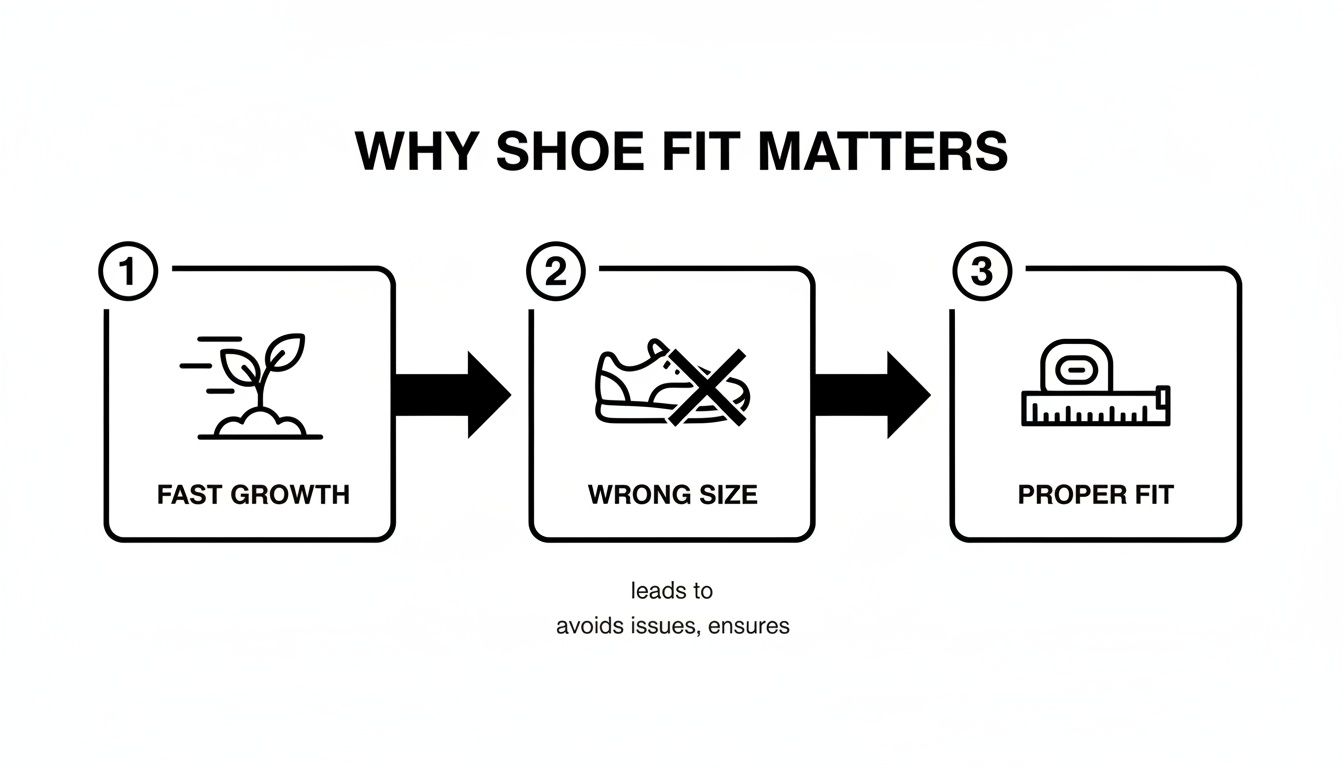
Just as a proper fit is crucial for a child's physical development, the right blend of nutrients is vital for building their internal defenses. These recipes are designed to provide key vitamins and minerals in a tasty package.
"Sunshine Starter" Smoothie (Babies 6m+)
This gentle smoothie is perfect for introducing new flavors and is packed with Vitamin C and healthy fats.
-
Ingredients:
- 1/4 cup mango chunks (fresh or frozen)
- 1/4 cup plain full-fat yogurt
- A small slice of ripe banana
- A splash of water or breast milk/formula to thin
-
Instructions:
- Combine all ingredients in a blender.
- Blend until completely smooth, adding liquid as needed to reach a puree-like consistency that is safe for your baby.
"Green Monster" Smoothie (Toddlers & Kids)
This smoothie hides spinach like a champ and provides a great dose of iron and Vitamin C.
-
Ingredients:
- 1 large handful of fresh spinach
- 1/2 cup pineapple chunks (frozen works well)
- 1/2 banana
- 1/2 cup orange juice or milk of your choice
-
Instructions:
- Place the spinach and orange juice in the blender first. Blend until the spinach is fully incorporated.
- Add the pineapple and banana and blend again until smooth and creamy.
"Berry Boost" Smoothie (Toddlers & Kids)
Loaded with antioxidants and probiotics, this smoothie is a fan favorite.
-
Ingredients:
- 1/2 cup mixed berries (strawberries, blueberries, raspberries)
- 1/4 cup Greek yogurt
- 1/2 cup milk (dairy or non-dairy)
- 1 teaspoon of chia seeds (optional, for extra fiber and omega-3s)
-
Instructions:
- Add all ingredients to a blender.
- Blend on high until smooth. The chia seeds will thicken the smoothie slightly.
Pro Tip: For an extra immune kick, you can add a small scoop of a kid-friendly probiotic powder to any of these smoothies. Always consult your pediatrician before adding supplements to your child's diet.
These recipes are just a starting point. Feel free to experiment with different fruits and vegetables based on what your child likes and what's in season.
Meal Ideas for Picky Eaters
Navigating mealtime with a picky eater can be challenging, but it's still possible to get them the nutrients they need. The key is to be patient, creative, and consistent. Sometimes, presenting a healthy food in a fun and familiar way can make all the difference.
Here are some kid-approved recipes that sneak in extra nutrition without a fight.
Hidden Veggie Meatballs
These meatballs are tender, flavorful, and secretly packed with vegetables. They're perfect with pasta, in a sub, or on their own.
-
Ingredients:
- 1 lb ground turkey or lean beef
- 1/2 cup grated zucchini (squeeze out excess water)
- 1/2 cup finely grated carrot
- 1/4 cup breadcrumbs
- 1 egg, beaten
- A pinch of oregano and garlic powder
-
Instructions:
- Preheat your oven to 400°F (200°C).
- In a large bowl, gently mix all ingredients together until just combined. Don't overmix.
- Roll the mixture into small, bite-sized meatballs and place them on a baking sheet.
- Bake for 15-20 minutes, or until cooked through. Serve with their favorite dipping sauce.
"Rainbow" Chicken Skewers
Kids love eating food on a stick! These colorful skewers make eating vegetables fun and appealing.
-
Ingredients:
- 1 chicken breast, cut into 1-inch cubes
- A variety of colorful bell peppers (red, yellow, orange), cut into chunks
- Cherry tomatoes
- Zucchini chunks
- A simple marinade (e.g., olive oil, lemon juice, and a little honey)
-
Instructions:
- Marinate the chicken cubes for at least 15 minutes.
- Thread the chicken and vegetables onto skewers, alternating colors to create a rainbow pattern.
- Grill or bake until the chicken is fully cooked.
Sweet Potato "Fries"
A healthier alternative to regular french fries, these are naturally sweet and packed with Vitamin A.
-
Ingredients:
- 2 large sweet potatoes, peeled and cut into fry shapes
- 1 tablespoon olive oil
- A sprinkle of paprika and salt
-
Instructions:
- Preheat oven to 425°F (220°C).
- Toss the sweet potato sticks with olive oil and seasonings in a bowl.
- Spread them in a single layer on a baking sheet.
- Bake for 20-25 minutes, flipping halfway through, until they are crispy on the outside and tender on the inside.
Picky Eater Tip: Get your child involved in the kitchen. If they help wash the veggies or thread the skewers, they're more likely to be excited about eating the final product.
By making food fun and accessible, you can encourage healthier eating habits that will support their immune system for years to come.
Building Healthy Habits for a Strong Immune System
A powerful immune system is built on more than just diet. While nutrition is the cornerstone, several other lifestyle factors play a huge role in keeping your child healthy and resilient. Integrating these habits into your daily routine provides a holistic approach to wellness, giving your child's body the comprehensive support it needs to fight off germs effectively.

Just as you check for the right fit in a shoe, it's important to ensure your child's daily habits are the right "fit" for their health. These simple practices can make a significant difference.
The Importance of Sleep
Sleep is when the body rests, repairs, and recharges. For children, it's also when their immune system does some of its most important work, producing proteins called cytokines that are crucial for fighting infection and inflammation.
A lack of quality sleep can suppress the immune system, making kids more susceptible to getting sick when exposed to a virus. Establishing a consistent, relaxing bedtime routine is key.
- Toddlers (1-2 years): 11-14 hours of sleep (including naps)
- Preschoolers (3-5 years): 10-13 hours (including naps)
- School-age kids (6-12 years): 9-12 hours
Ensuring they get enough restorative sleep is one of the most effective immune boosters available.
Regular Physical Activity
Moderate, regular exercise has been shown to boost the activity of immune cells. Encouraging your child to be active every day helps their bodies become more efficient at fighting off bacteria and viruses.
This doesn't mean you need to sign them up for organized sports (unless they want to!). Simply playing outside, riding a bike, dancing to music, or having a family walk after dinner all count. The goal is to make movement a fun and regular part of their day.
Good Hygiene Practices
This one is simple but incredibly effective. Teaching your child proper handwashing is one of the best ways to prevent the spread of germs and reduce their chances of getting sick.
Encourage them to wash their hands with soap and water for at least 20 seconds (the time it takes to sing "Happy Birthday" twice):
- Before eating
- After using the bathroom
- After sneezing or coughing
- When they come home from school or daycare
Managing Stress
Even young children can experience stress, which can negatively impact their immune system. Creating a secure, loving, and predictable environment at home can help minimize stress.
Ensure they have plenty of time for unstructured free play, which is a natural stress reliever for kids. Spending quality time together, talking about their day, and offering plenty of hugs and reassurance are powerful tools for both their emotional well-being and their physical health.
By combining a nutrient-rich diet with these healthy lifestyle habits, you create a powerful, multi-layered defense system that will help keep your child thriving.
Solving Common Food-Related Problems
You’re offering healthy meals and fun smoothies, but sometimes challenges still arise. Whether it's navigating food allergies or dealing with a sudden refusal to eat a once-loved food, every parent faces hurdles. Knowing how to troubleshoot these common issues can help keep you on track without turning mealtime into a battle.
Think of this as your guide to overcoming those little bumps in the road. With a bit of patience and a few proven strategies, you can keep your child's nutrition and immune health a top priority.

"My Child Won't Eat Vegetables"
This is perhaps the most common complaint from parents. The key here is persistence and creativity. Don't give up after one or two failed attempts.
It can take 10-15 exposures for a child to accept a new food. Keep offering a small portion of the vegetable on their plate without pressure to eat it. Just having it there helps normalize it.
Here are a few tricks to try:
- Shred & Hide: Shred zucchini or carrots into pasta sauce, meatballs, or muffins. They'll get the nutrients without even knowing it.
- Dip It: Offer raw veggies like bell pepper strips, cucumber slices, and carrots with a fun dip like hummus or yogurt ranch.
- Roast Them: Roasting vegetables like broccoli, cauliflower, and sweet potatoes brings out their natural sweetness, making them more appealing to kids.
Dealing with Food Allergies or Intolerances
If you suspect your child has a food allergy (common culprits include dairy, eggs, nuts, and soy), it's crucial to speak with your pediatrician or an allergist. They can provide a proper diagnosis and guidance.
Once you know what to avoid, you can focus on healthy swaps to ensure their immune system is still getting the nutrients it needs.
- Dairy-Free: Use fortified almond, soy, or oat milk for calcium and Vitamin D. Avocados and coconut yogurt are great creamy substitutes.
- Nut-Free: Sunflower seed butter is an excellent alternative to peanut butter. Seeds like chia and flax can provide healthy fats.
- Gluten-Free: Focus on naturally gluten-free grains like rice, quinoa, and oats (ensure they're certified gluten-free if for celiac disease).
"My Kid Only Wants Snacks"
If your child is filling up on snacks, they won't be hungry for nutrient-dense meals. The solution is to establish a predictable meal and snack schedule.
- Structure is Key: Aim for three meals and two small, healthy snacks per day.
- Make Snacks Count: Instead of crackers or chips, offer "mini-meals." Think apple slices with seed butter, a small bowl of yogurt with berries, or a hard-boiled egg. These provide protein and fiber to keep them full until the next meal.
- Limit Grazing: Keep the kitchen "closed" between scheduled eating times. Offer water if they say they're hungry.
The Role of Supplements
While food should always be the primary source of nutrients, sometimes a supplement may be recommended by your pediatrician, especially for:
- Vitamin D: Many doctors recommend a Vitamin D supplement for all children, as it's difficult to get enough from food alone.
- Iron: Your doctor may suggest an iron supplement if your child is diagnosed with anemia.
- Picky Eaters: In cases of extreme picky eating, a multivitamin might be recommended to fill any nutritional gaps.
Always consult your pediatrician before starting any supplement. They can recommend the right type and dosage for your child's specific needs.
Answering Your Top Questions About Kids' Immunity
We’ve covered the foods, recipes, and habits that build a strong immune system, but there are always those specific questions that come to mind. It's natural to want clear answers when it comes to your child's health. Here, we tackle some of the most common questions parents ask about boosting their kids' immunity, providing straightforward information to help you feel confident in your approach.
Think of this as your final checklist for any lingering doubts or curiosities.
How Often Should My Child Be Getting Sick?
This is a big source of worry for parents, but frequent colds are a normal part of childhood. It’s how their immune system learns and grows stronger.
On average, it's considered normal for toddlers and preschoolers to have 6 to 8 colds per year, each lasting a week or two. This number may be even higher for children in daycare settings where they are exposed to more germs. While it can feel constant, it's typically not a sign of a weak immune system but rather one that is actively working and developing.
When to be concerned: Talk to your pediatrician if your child's illnesses are frequently severe, require hospitalization, or if they are not gaining weight and growing as expected.
Are Organic Foods Better for My Child's Immune System?
The decision to buy organic is a personal one. The primary benefit of organic produce is reduced exposure to pesticides. While some studies suggest organic foods may have slightly higher levels of certain antioxidants, there is no conclusive evidence that eating an organic diet leads to a stronger immune system than eating a conventional one.
The most important thing is that your child eats plenty of fruits and vegetables, whether they are organic or not. A diet rich in produce of any kind is far better than a diet that lacks it. If budget is a concern, focus on buying a wide variety of conventional produce and washing it thoroughly.
Do "Immune-Boosting" Supplements for Kids Actually Work?
The market is flooded with products—gummies, powders, and syrups—that claim to boost a child's immunity. While some ingredients, like Vitamin C, Vitamin D, and zinc, are proven to be essential for immune function, it's best to get them from whole foods.
Supplements are not a replacement for a healthy diet and lifestyle. For most healthy children, they are unnecessary and have not been proven to prevent colds or flu. Over-supplementing can sometimes be harmful. The only supplements you should give your child are those specifically recommended by your pediatrician based on their individual health needs.
What Is the Role of Gut Health in Immunity?
The connection between the gut and the immune system is a major area of scientific research. We now know that a huge portion of the immune system resides in the gut. The trillions of bacteria living there, known as the gut microbiome, play a critical role in training and supporting immune cells.
You can support your child's gut health by:
- Offering Probiotic-Rich Foods: Yogurt, kefir, and other fermented foods contain live, beneficial bacteria.
- Providing Plenty of Fiber: Prebiotics are types of fiber that feed the good bacteria. They are found in foods like bananas, onions, garlic, and whole grains.
- Limiting Sugar and Processed Foods: These can negatively impact the balance of good and bad bacteria in the gut.
A healthy gut is a cornerstone of a robust immune system.
At Yarafly, we know that supporting your child's well-being is your top priority. From their first steps to their biggest adventures, our collections are designed with their comfort and playful spirit in mind. We believe that healthy, happy kids are ready for anything. Explore our durable and thoughtfully designed apparel to keep them comfortable on all their journeys. Shop the latest collections at Yarafly.com.