

on December 21, 2025
A strong immune system is your child’s best defense against common colds, flu, and other infections. While sniffles are a normal part of childhood, providing the right nutrients through a balanced diet can significantly strengthen their natural defenses. It’s all about building a resilient foundation, one healthy meal at a time.
For parents, navigating the world of vitamins and minerals can feel overwhelming. The key is to focus on whole foods packed with the building blocks a growing body needs.
Why Vitamins and Minerals Are Crucial for Kids' Immunity
Children’s immune systems are still developing, making them more susceptible to illnesses. A diet rich in specific vitamins and minerals acts like a training camp for their immune cells, preparing them to fight off invaders effectively. Think of it as equipping their internal army with the best gear possible.
This isn’t just about avoiding sickness; it’s about overall health and development. When children get the nutrients they need, they have more energy for learning, playing, and growing.
Key Nutrients for a Strong Immune System
First things first, let's focus on the power players. Certain vitamins and minerals are renowned for their immune-boosting properties. Making sure your child gets enough of these is the first step toward a healthier, more resilient kid.
Here’s a quick guide to the essential nutrients and where to find them.
Top Immune-Boosting Nutrients for Children
| Nutrient | Why It's Important | Food Sources |
|---|---|---|
| Vitamin C | A powerful antioxidant that helps immune cells function properly. | Oranges, strawberries, bell peppers, broccoli, kiwi. |
| Vitamin D | Crucial for activating immune defenses. | Fortified milk, salmon, eggs, sunlight exposure. |
| Zinc | Helps the immune system fight off invading bacteria and viruses. | Lean meats, beans, nuts, whole grains, dairy. |
| Vitamin A | Keeps the skin and tissues in the mouth, stomach, and lungs healthy. | Carrots, sweet potatoes, spinach, kale, eggs. |
| Probiotics | "Good" bacteria that support gut health, where much of the immune system resides. | Yogurt, kefir, fermented foods like sauerkraut. |
This table gives you a solid starting point. A diet rich in colorful fruits and vegetables is the easiest way to cover most of these bases. For example, a simple snack of orange slices and a handful of almonds provides a great dose of Vitamin C and zinc.
Building a Plate for a Stronger Immune System
Beyond specific nutrients, the overall quality of your child's diet matters. A balanced plate should include lean proteins, whole grains, healthy fats, and a rainbow of fruits and vegetables.
- Protein: Essential for building antibodies. Think chicken, fish, beans, and lentils.
- Whole Grains: Provide sustained energy and important B vitamins. Choose brown rice, quinoa, and whole-wheat bread.
- Healthy Fats: Support brain development and help absorb fat-soluble vitamins (A, D, E, K). Avocados, nuts, and seeds are excellent sources.
Thinking about selecting the right fabric, style, and color for a garment is important for comfort, but a healthy diet provides comfort from the inside out. Quality ingredients are the foundation of good health.
Delicious and Easy Smoothie Recipes for Kids
Smoothies are a fantastic way to pack a ton of nutrients into a single, delicious drink that even picky eaters often love. They are perfect for babies (6+ months), toddlers, and older kids, and you can easily customize them to suit different tastes and dietary needs.
The key is to balance fruit for sweetness with vegetables for nutrients and a source of protein or healthy fat to make it filling.
The Four Key Smoothie Components
To really nail the perfect smoothie, think in terms of these four building blocks.
- Liquid Base: Start with about 1/2 to 1 cup of liquid. Milk (dairy or plant-based), water, or coconut water all work well.
- Fruit: Use about 1 cup of fresh or frozen fruit. Berries, bananas, mangoes, and pineapples are popular choices. Frozen fruit creates a thicker, creamier texture.
- Vegetable Boost: Add a handful of greens like spinach or kale. You can also add steamed and cooled carrots or beets. The fruit flavor will usually mask the taste.
- Protein/Fat: A tablespoon of nut butter, chia seeds, flax seeds, or a scoop of plain Greek yogurt adds staying power and healthy fats.
Getting a handle on these components is the first step. For a deeper dive into kids' needs, our complete parents' guide to understanding children's clothing sizes is a great resource for physical growth, while these recipes support internal growth.
This visual breaks down the selection process for healthy eating into three simple ideas.
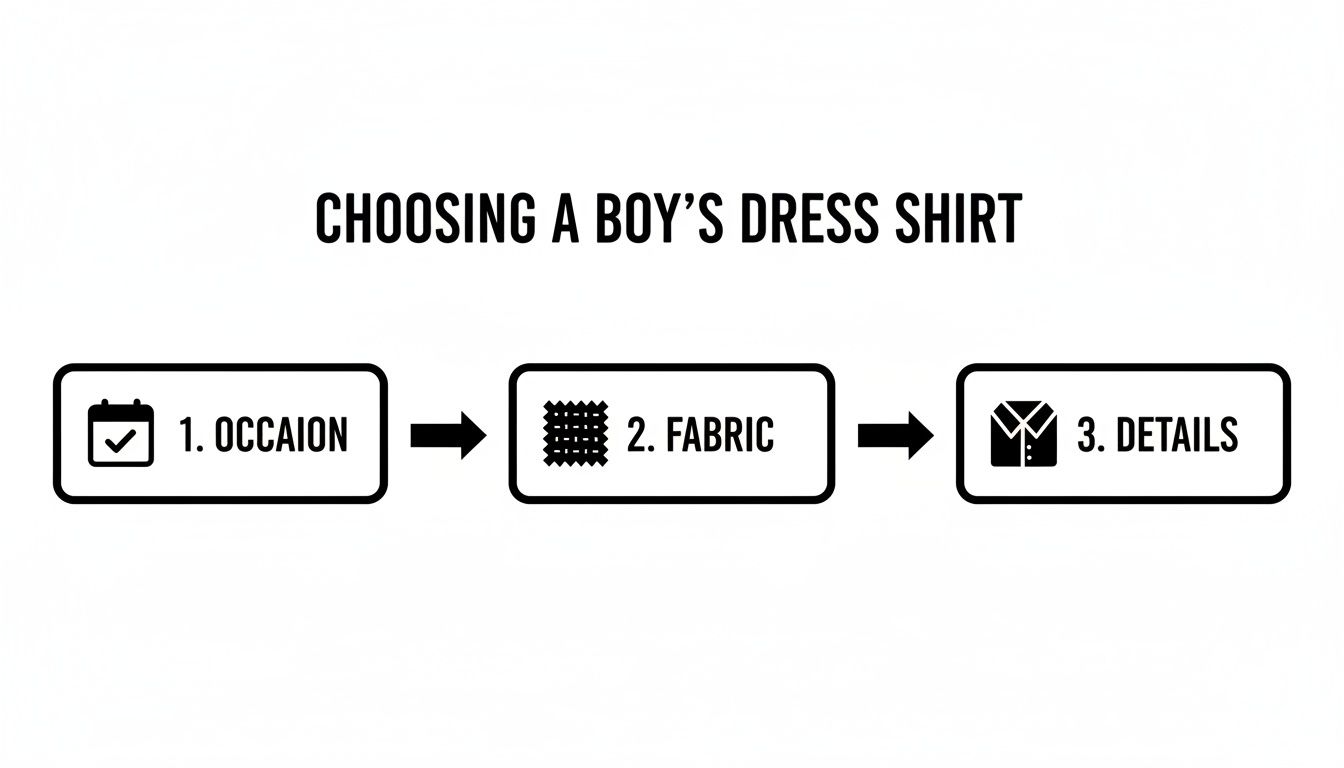
As the infographic shows, it all starts with the foundation (base ingredients). From there, you can narrow down the flavors and then focus on the smaller nutritional boosts that pull it all together.
Immunity-Boosting Smoothie Recipes
Here are three simple, kid-approved smoothie recipes designed to support a healthy immune system.
The key to a successful smoothie is texture and taste. Using frozen bananas creates an ice-cream-like consistency, while a small amount of a sweet fruit like mango or pineapple can mask the flavor of greens like spinach.
1. The "Sunshine" Smoothie (Vitamin C Powerhouse)
- 1/2 cup orange juice or water
- 1/2 cup plain Greek yogurt
- 1/2 cup frozen mango chunks
- 1/2 frozen banana
- A handful of baby carrots (steamed and cooled for babies)
- Blend until smooth.
2. The "Green Monster" Smoothie (Iron & Vitamin A)
- 1 cup almond milk (or milk of choice)
- 1 large handful of fresh spinach
- 1/2 cup frozen pineapple
- 1/2 frozen banana
- 1 tablespoon chia seeds
- Blend until creamy and green.
3. The "Berry Strong" Smoothie (Antioxidant Rich)
- 1 cup milk of choice
- 1 cup mixed frozen berries (strawberries, blueberries, raspberries)
- 1 tablespoon almond butter
- Optional: 1/4 cup rolled oats for extra fiber
- Blend until vibrant and smooth.
For babies and young toddlers, ensure the smoothie is thin enough to drink easily from a sippy cup or with a straw. You can add more liquid to adjust the consistency. Just like finding the right fit for clothes, you can learn more about choosing an adjustable child dress form, finding the right food consistency is key.
Food for Thought: Recipes for Picky Eaters
While smoothies are a great tool, getting kids to eat a variety of solid foods is the ultimate goal. Picky eating is a common phase, but it can be frustrating for parents worried about nutrition. The trick is to be patient, creative, and persistent.
It’s not just about what you serve, but how you serve it. Making food fun and involving kids in the preparation can make them more willing to try new things. The global food market is massive, and kids' nutrition is a huge piece of that pie. It's a fascinating trend that you can read more about in the growing trends in the dress shirt market.
Strategies to Encourage Healthy Eating
Before we get to recipes, let's cover some strategies that work.
- Get Them Involved: Let kids help wash vegetables, stir ingredients, or use cookie cutters to make fun shapes. They're more likely to eat what they helped make.
- "Food Art": Arrange food on the plate to look like a smiley face, a caterpillar, or a rainbow. Presentation makes a huge difference.
- Dip It: Many kids who refuse to eat vegetables will happily eat them with a dip. Hummus, yogurt ranch, or guacamole are great, healthy options.
- One New Thing: Introduce new foods alongside familiar favorites. The rule in our house is you have to take at least one "no thank you" bite.
No matter which strategy you use, the signs of a good approach are patience and consistency. We dive deeper into the importance of quality in our guide on why our children's clothes last longer, and the same principle applies to building healthy eating habits.
Kid-Friendly, Nutrient-Dense Recipes
Here are a few ideas that hide veggies and boost nutrition in kid-friendly packages.
The secret to many successful "picky eater" recipes is hiding the good stuff. Finely grated zucchini or carrots can disappear into pasta sauce or meatballs, adding nutrients without changing the familiar taste or texture.
Next time you’re planning meals, try one of these:
- "Hidden Veggie" Pasta Sauce: Sauté finely chopped onions, carrots, and zucchini until very soft. Add a can of crushed tomatoes and your favorite herbs. Simmer, then use an immersion blender to make it completely smooth. Serve over whole-wheat pasta.
- Broccoli & Cheese Bites: Steam broccoli until tender, then chop it finely. Mix with a beaten egg, shredded cheddar cheese, and a little whole-wheat breadcrumb. Form into small patties or balls and bake until golden.
- Sweet Potato "Fries": Cut sweet potatoes into fry shapes. Toss with a little olive oil and a pinch of paprika. Bake at 400°F (200°C) until crispy on the outside and soft on the inside. They're a great source of Vitamin A.
Creating Healthy Eating Habits That Last
You've made the healthy smoothie and the hidden-veggie meatballs—now for the bigger picture. Fostering a positive relationship with food is all about creating a supportive and enjoyable mealtime environment. The habits you build today can last a lifetime.
The world of family nutrition is more interesting than ever. We're seeing a massive shift in how parents approach food, moving away from "clean your plate" rules toward a more intuitive and positive model. This focus on healthy habits is a huge piece of the overall wellness trend. You can get a deeper look into changes in consumer behavior in the boys' clothing industry.

Building Positive Mealtime Routines
A great meal always starts with a solid foundation. The trick is to find a good balance between structure and flexibility, making mealtime a time for connection, not conflict.
-
Eat Together: Whenever possible, sit down and eat as a family. Turn off the TV and put away phones. This models healthy social eating habits and gives you a chance to connect.
-
Offer Choices: Instead of asking "What do you want for dinner?", give two healthy options you're happy with. "Would you like chicken or fish tonight? Carrots or green beans?" This gives them a sense of control.
-
Respect Their Appetite: Trust your child to know when they are full. Forcing them to eat more can interfere with their natural hunger and fullness cues.
The secret to a peaceful mealtime at any age is balance. If you're introducing a new food, make sure the rest of the meal is made up of things you know they like. This reduces anxiety and makes them more likely to try the new item.
The Finishing Touches: Snacks and Hydration
Healthy eating doesn't stop at breakfast, lunch, and dinner. Smart snacking and proper hydration are key parts of the puzzle.
Hydration, especially, can completely change their energy and mood. Water should be the go-to drink. Keep a fun, reusable water bottle handy throughout the day to encourage sipping.
Don't forget to plan for healthy snacks:
- Fruit & Veggie Slices: Apples with peanut butter, celery with cream cheese, or a simple bowl of berries.
- Protein Power: A hard-boiled egg, a cheese stick, or a small handful of nuts (for older kids).
- Whole Grains: Whole-grain crackers with hummus or a small bowl of low-sugar cereal.
Meal Plan Formulas for Busy Families
Need some quick inspiration? Sometimes, having a few go-to formulas makes meal planning a whole lot easier. This table breaks down some no-fail combinations for healthy, kid-friendly days.
| Meal Type | Main Idea | Side Suggestion | Drink | Snack Idea |
|---|---|---|---|---|
| Power Breakfast | Scrambled eggs or oatmeal | Berries or a banana | Milk | A cheese stick |
| Balanced Lunch | Turkey and cheese on whole-wheat | Baby carrots and hummus | Water | Apple slices |
| Weekday Dinner | Baked chicken or fish | Roasted sweet potatoes & broccoli | Water | Yogurt |
| Weekend Fun Meal | Homemade pizza on whole-wheat pita | A simple green salad | Diluted juice | Grapes |
| Quick & Easy | Pasta with hidden veggie sauce | Steamed green beans | Milk | Whole-grain crackers |
Think of these as starting points. You can always mix and match based on what's in your fridge and what your family enjoys. The goal is to build a routine that feels both nourishing and sustainable.
Keeping Your Family's Health on Track
Let's be honest: keeping kids healthy has its tough moments. One minute they’re eating broccoli, and the next they’re on a "white foods only" strike. The secret to long-term success isn't perfection—it's just a few smart habits that keep you moving in the right direction.
Before you do anything, remember to give yourself grace. Think of building healthy habits as a long-term project, not an overnight fix. There will be good days and not-so-good days, and that's perfectly okay.
Smart Shopping and Meal Prep
Your first move? Go to the grocery store with a plan. This simple step takes the stress out of weekday dinners and helps you avoid impulse buys. Turning healthy eating into a habit starts with having the right ingredients on hand.
Here are a few more tips to get it right:
- Shop the Perimeter: The outer aisles of the grocery store are where you'll find most of the whole foods—fresh produce, dairy, meat, and fish.
- Read Labels: When buying packaged foods, look for short ingredient lists with words you can pronounce. Pay attention to added sugars and sodium.
- Prep Ahead: Spend an hour on the weekend washing and chopping vegetables, cooking a batch of brown rice, or making a big pot of soup. It will save you so much time and stress during the week.
Once you have your ingredients, the battle is half won.
The absolute best way to stay on track is to make healthy options the easiest options. Keep a bowl of fresh fruit on the counter and pre-portioned baggies of sliced veggies in the fridge. When a healthy snack is grab-and-go, kids are far more likely to choose it.
Tackling Sickness and Staying Consistent
Kids and germs go hand-in-hand, but a strong immune system can make a big difference in how often they get sick and how quickly they recover. When illness does strike, focus on hydration and comfort. Simple broths, toast, and diluted juices are often best. For more complex health issues, our ultimate guide to removing stains from children's clothes might not help, but your pediatrician can provide expert advice.
Now for the final step: consistency. The secret here is to focus on small, sustainable changes rather than a complete dietary overhaul. Maybe you start with "Meatless Mondays" or commit to adding one new vegetable to dinner each week.
I find it easiest to work on one meal at a time. Perfect a few healthy, easy breakfast options before you move on to tackling lunches. This little system helps you build momentum without feeling overwhelmed. A few minutes of proper planning, and your family is on the path to better health.
Answering Your Top Questions
When it comes to feeding kids for better immunity, I've found that parents usually have the same handful of questions. Getting these right can be the difference between a stressful mealtime and a happy, healthy eater. Let's tackle some of the most common ones I hear.
Supplements vs. Food: Which One Is Right?
This really boils down to your child's individual diet and any specific health needs.
Think of food first as your mantra. Whole foods provide a complex package of vitamins, minerals, fiber, and other compounds that work together synergistically. A strawberry offers much more than just a dose of Vitamin C.
Supplements, on the other hand, can be a helpful tool in certain situations. A pediatrician might recommend a Vitamin D supplement, especially for breastfed babies or kids in colder climates. Or, an iron supplement might be needed for a child with anemia. If you are concerned about nutritional gaps, always talk to your doctor before starting any supplement.
The real test? A balanced diet. A plate filled with a variety of colors from fruits and vegetables will typically provide all the nutrients a healthy, growing child needs.
What are the Most Important Foods to Focus On?
If you want to get the most bang for your buck, a few core food groups will cover almost any nutritional need you can throw at them. These are the workhorses of a healthy kid's diet.
- Berries: Blueberries, strawberries, raspberries—they are packed with antioxidants and Vitamin C. They're also naturally sweet and kid-friendly.
- Leafy Greens: Spinach and kale are nutritional powerhouses, rich in Vitamins A, C, and K, plus iron. Blend them into smoothies or chop them finely into sauces.
- Yogurt and Kefir: These are fantastic sources of probiotics, the "good" bacteria that support gut health, which is a huge component of the immune system. Choose plain versions to avoid added sugar.
Building his diet around these key foods means you'll always have a reliable, nutrient-dense option ready to go.
Is It Ever Okay to Let Kids Have "Junk Food"?
Absolutely! But it all comes down to two things: balance and frequency.
The 80/20 rule is a great guideline. If 80% of what your child eats is nutritious and wholesome, then the other 20% can be for treats like ice cream, chips, or cookies. It's a realistic approach that teaches moderation.
However, if treats and processed foods are becoming a daily habit, it's time to gently rein it in. The goal is to treat "junk food" as a "sometimes food," not an everyday staple. This helps them develop a healthy relationship with all types of food.
How Do I Deal with a Child Who Refuses to Eat Vegetables?
Ah, the age-old battle. Getting a veggie-averse child on board is all about patience and strategy. For starters, never give up. It can take 10-15 exposures to a new food before a child will accept it.
Steer clear of pressure. Forcing or bribing can create negative associations with food. Instead, keep offering vegetables in different, fun ways. Try "ants on a log" (celery with peanut butter and raisins) or roasted broccoli "trees" they can dip in cheese sauce. A little pro-tip: involving them in growing a small vegetable, even a single tomato plant in a pot, can make a world of difference in their willingness to try it.
Ready to build a healthier kitchen? Take a look at the full collection of family-friendly recipes and tips over at Yarafly.com. We offer free shipping on all orders over $50. You can find inspiration and products to support your family's wellness journey right here: https://yarafly.com.