

on December 06, 2025
As parents, we're always looking for ways to keep our little ones healthy and strong. While we can't bubble-wrap them from every germ, we can build a powerful defense from the inside out: a robust immune system. It’s not about magic potions or quick fixes; it's about providing the right nutrients through wholesome, delicious food. A strong immune system is your child's first line of defense against common colds, flu, and other infections.
The Building Blocks of a Strong Immune System

A child's immune system is a complex network of cells, tissues, and organs that work together to protect the body. To function optimally, it needs a steady supply of key vitamins and minerals. Think of these nutrients as the fuel that powers their internal army. Without them, their defenses can weaken, making them more susceptible to getting sick.
This guide is your compass to navigating the world of pediatric nutrition. We'll break down the essential vitamins and minerals, show you which foods are packed with them, and provide simple, kid-approved recipes to make healthy eating a joy, not a battle.
The Power Duo: Vitamins and Minerals
To build a strong immune foundation, let's focus on the key players. These vitamins and minerals are critical for immune cell production, function, and overall defense.
It all boils down to a few key nutrients:
- Vitamin C: The classic immune booster, known for helping white blood cells function effectively.
- Vitamin D: The "sunshine vitamin," crucial for activating immune defenses.
- Zinc: An essential mineral that helps develop and activate T-cells, a type of white blood cell.
- Iron: Vital for helping red blood cells carry oxygen, which immune cells need to function.
The goal is to create a diverse and colorful plate. By incorporating a variety of nutrient-dense foods, you ensure your child gets a broad spectrum of the vitamins and minerals they need to thrive, not just survive.
This turns mealtime from a simple necessity into a powerful tool for building lifelong health. For a deeper dive into picking the right items, this guide on how to choose baby clothes is a great resource. We’ll arm you with the know-how to read between the lines—from food labels to preparation techniques—so you can feel great about everything you put on their plate.
What to Feed Kids to Strengthen Their Immune System
Before you get lost in a sea of superfood powders and expensive supplements, let’s focus on the basics. You can find everything your child needs to build a rock-solid immune system right in your local grocery store. Think colorful, fresh, and whole.
Nailing these four food groups—Fruits & Veggies, Lean Proteins, Whole Grains, and Healthy Fats—gives you a simple framework. It helps you cut through the noise of processed snacks and focus on what really matters for your child's health. This turns meal planning from a chore into a simple, effective strategy for well-being.
1. The Rainbow of Fruits and Vegetables
This is where the powerhouse vitamins live. The more colors you can get on their plate, the wider the range of nutrients they’ll consume. Each color signifies different antioxidants and phytochemicals that support the immune system in unique ways.
As you shop, think about incorporating a rainbow throughout the week. Don't just stick to apples and bananas—explore the whole produce aisle!
- Red & Orange (Vitamin C & A): Think citrus fruits (oranges, clementines), strawberries, bell peppers, carrots, and sweet potatoes. Vitamin C is a powerful antioxidant, and Vitamin A helps maintain the integrity of mucosal barriers (like the lining of the nose) that trap germs.
- Green (Folate & Iron): Leafy greens like spinach and kale, plus broccoli and kiwi, are packed with nutrients that support cell growth, including immune cells.
- Blue & Purple (Antioxidants): Blueberries, blackberries, and eggplant contain anthocyanins, powerful antioxidants that help protect cells from damage.
Look for fresh, seasonal produce when possible. Frozen fruits and vegetables are also a fantastic, budget-friendly option, as they are often frozen at peak ripeness, locking in their nutritional value.
2. Mighty Proteins and Healthy Fats
Protein is essential for building and repairing body tissues, including the cells that make up the immune system. Healthy fats, particularly omega-3s, have anti-inflammatory properties that help regulate the immune response.
A balanced intake of lean protein and healthy fats is your best defense against a sluggish immune system. It provides the fundamental building blocks for a strong, responsive defense network.
Focus on sources like:
- Lean Meats: Chicken, turkey, and lean cuts of beef provide high-quality protein and zinc.
- Fish: Fatty fish like salmon is a top source of omega-3 fatty acids.
- Plant-Based Power: Beans, lentils, chickpeas, and tofu are excellent sources of protein and iron.
- Nuts & Seeds: Almonds, walnuts, chia seeds, and flaxseeds offer protein, zinc, and healthy fats. (Ensure they are served in an age-appropriate way to prevent choking).
3. Gut-Friendly Foods (Probiotics)
A significant portion of the immune system resides in the gut. A healthy gut microbiome, full of beneficial bacteria, is crucial for proper immune function. Probiotics help nourish these good bacteria.
Look for simple ways to incorporate fermented foods into your child's diet. Great sources of probiotics include:
- Yogurt: Choose plain yogurt with "live and active cultures" to avoid added sugars.
- Kefir: A fermented milk drink that's like a sippable, extra-potent yogurt.
- Sauerkraut & Kimchi: For more adventurous eaters, these fermented cabbages offer a probiotic punch.
4. Hydration is Key
Finally, let's talk water. Water is essential for every bodily function, including the immune system. It helps transport nutrients to cells and flush out waste products. Dehydration can impair immune function.
While water is best, you can also contribute to hydration with milk, herbal teas (cooled and unsweetened), and water-rich foods like cucumber, watermelon, and soups. Avoid sugary juices and sodas, which can suppress the immune system.
Easy Smoothie Recipes for Babies, Kids, and Toddlers
Smoothies are a parent's secret weapon. They’re a fantastic way to pack a ton of nutrients into a delicious, easy-to-consume drink that kids love. You can hide veggies like spinach, load up on vitamin-rich fruits, and add protein and healthy fats for a complete mini-meal or snack.
Think of a smoothie as your customizable nutrition delivery system. It's perfect for busy mornings, afternoon pick-me-ups, or for picky eaters who might otherwise turn their nose up at key ingredients. Mastering a few basic recipes is the secret to a quick, healthy win.
Mastering the Basic Smoothie Formula
The most powerful tool for smoothie success is a simple formula: Liquid + Fruit (fresh or frozen) + Veggie + Booster. A well-designed smoothie is balanced and not just a sugar bomb.
Follow this simple structure:
- Liquid Base (1 cup): Water, milk (dairy or plant-based), or plain yogurt/kefir.
- Fruit (1 cup): Berries, banana, mango, and pineapple are all great choices. Using frozen fruit creates a thicker, creamier texture.
- Veggies (1 large handful): Baby spinach is the easiest to hide, as it has a very mild flavor. Cooked and cooled sweet potato or cauliflower also blend in well.
- Booster (1 tablespoon - optional): Chia seeds, flax seeds, hemp hearts, or a small scoop of nut butter for added protein and healthy fats.
Using this formula is like having a super-detailed nutritional blueprint. You can mix and match ingredients based on what you have on hand, ensuring a balanced and delicious result every time.
Kid-Approved Smoothie Recipes
Since you can't have them taste-test it online, having a few go-to recipes is the next best thing. These combinations are tried, tested, and loved by little ones. Always blend until completely smooth to avoid any surprise chunks.
-
"Green Monster" Smoothie (Toddler & Kid Favorite):
- 1 cup milk of choice
- 1/2 frozen banana
- 1/2 cup frozen mango or pineapple
- 1 large handful of fresh spinach
- 1 tbsp chia seeds
-
"Sunshine" Orange Smoothie (Immunity Booster):
- 1/2 cup plain yogurt
- 1/2 cup orange juice or 1 peeled orange
- 1/2 cup frozen mango chunks
- 1/4 cup shredded carrots (raw or steamed)
-
"Berry Good" Baby Smoothie (6+ months):
- 1/2 cup whole milk yogurt or breastmilk/formula
- 1/4 cup mixed berries (strawberries, blueberries)
- 1/4 of a soft, ripe banana
- Blend until very smooth.
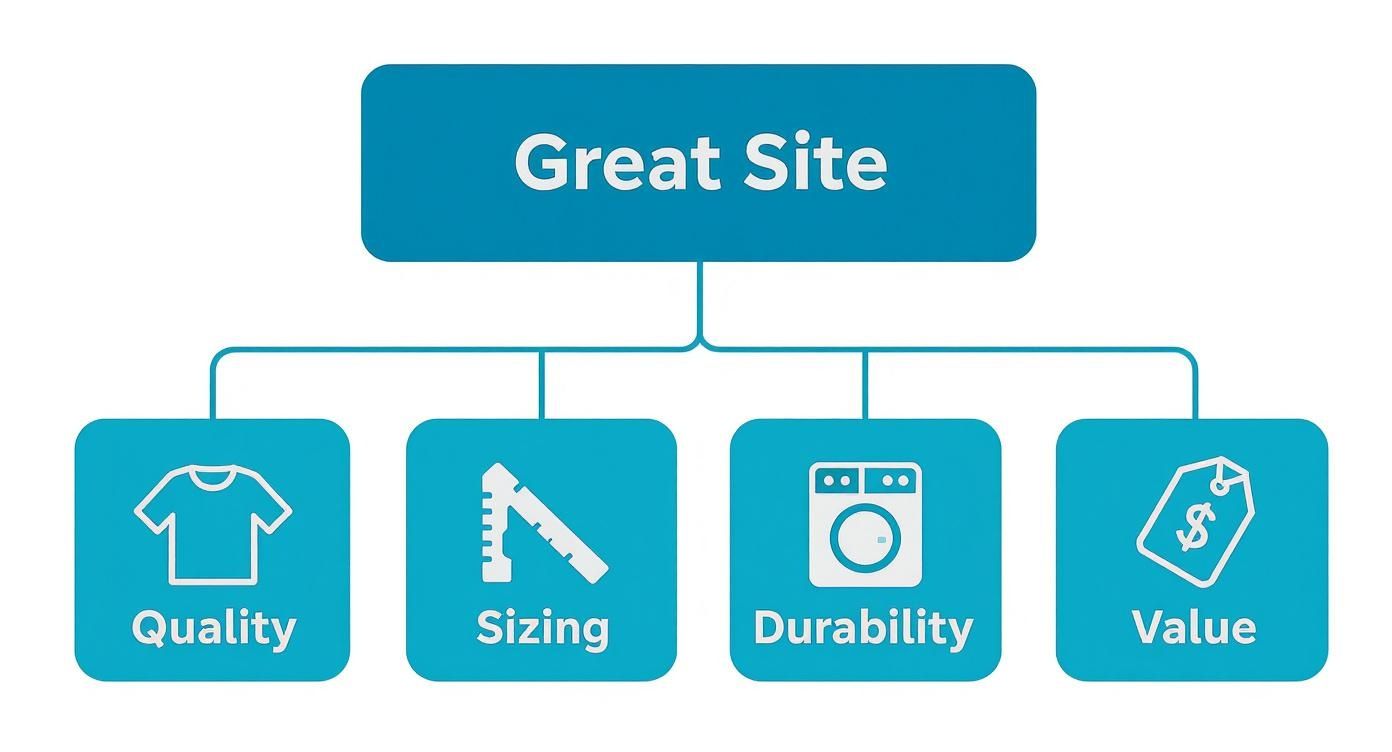
This just goes to show that a top-tier meal is built on a solid foundation of quality ingredients, age-appropriate sizing, durable nutrients, and good old-fashioned nutritional value.
To get around the "can't try it before you make it" problem, some recipe apps are starting to integrate virtual dressing rooms which offer a neat solution for online shoppers. While not yet common for recipes, it's a technology to keep an eye on. For now, a detailed ingredient list is your most reliable tool. If you need a hand with portion sizes, you can always check our guide on the kids clothing size chart to make sure you nail the fit.
Tips for Smoothie Success
Finally, don't overlook the simple things. The right prep and presentation can make or break the experience.
- Serve Cold: Use frozen fruit or add a few ice cubes to make it more refreshing.
- Fun Cups & Straws: A silly straw or a special cup can make a smoothie infinitely more appealing to a toddler.
- Start Small: If introducing a new ingredient (like spinach), start with a very small amount and gradually increase it over time. This kind of thoughtful preparation is a huge part of what makes healthy eating a sustainable habit for modern families.
Winning Over Picky Eaters: Recipes and Strategies
Now that you know what to feed them, let’s talk about the how. The truth is, picky eating is a normal developmental stage for many toddlers and kids. Their world is expanding, and exerting control over their food is one way they test their independence.
Think of this as your guide to navigating mealtime battles. We'll walk through simple recipes and proven strategies to make food fun and encourage your little one to try new things. This way, you can get those vital nutrients into them before you lose your sanity.
Hidden Veggie Heroes
These are the recipes where nutrient-dense ingredients are blended or hidden, making them invisible to suspicious eyes. They are perfect for ensuring your child gets the vitamins they need while their palate is still developing.
- Pros: This method guarantees nutrient intake and can reduce mealtime stress. It's a great way to incorporate foods they would otherwise refuse.
- Cons: It doesn't teach children to appreciate the taste or texture of the vegetable in its whole form. Use this as a tool, not your only strategy.
Recipe Idea: "Hulk" Mac and Cheese
Boil and blend a cup of broccoli or spinach with a splash of milk until it's a smooth, green puree. Stir this into your regular cheese sauce before mixing with the pasta. The cheese masks the veggie flavor, and the fun color is a bonus.
Deconstructed Meals and "DIY" Plates
On the flip side, you can empower your picky eater by giving them a sense of control. Instead of serving a mixed dish like a casserole, serve all the components separately. This is less overwhelming and allows them to choose what they want to eat.
A "DIY" plate turns the child from a passive recipient into an active participant. The idea is that by giving them choices, they feel more in control and are more likely to try things on their own terms.
Recipe Idea: DIY Taco Bar
Set out small bowls of seasoned ground turkey, shredded cheese, mild salsa, diced avocado, and black beans. Give them a soft tortilla or a pile of corn chips and let them build their own meal. You'll be surprised what they choose to eat when the pressure is off. If you want to dive deeper, our article on soft organic baby clothes explains why these materials make such a difference. Yes, the price tag is higher, but you’re paying for longevity and peace of mind.
Make Food Fun
This group of strategies is all about presentation and involvement. You can make food more appealing without changing the ingredients at all. This massive selection is part of a global trend. The Asia Pacific region, for instance, holds a staggering 94.89% share of the baby apparel market in 2024. This boom is fueled by high birth rates and policy shifts in countries like China—a market expected to hit USD 11.01 billion by 2025. A huge chunk of that volume moves through these big marketplaces. You can read more about this booming baby apparel market on Fortune Business Insights.
Recipe Idea: Fruit Wands
Get some kid-safe skewers and have your child help you thread on colorful fruits like strawberries, melon chunks, grapes (cut in half for toddlers), and blueberries. Serving it on a stick makes it a fun, interactive snack.
The Power of Patience and Exposure
Finally, the most important strategy is patience. It can take 10-15 exposures to a new food before a child will even try it. The goal is to offer, not force.
This is a fantastic model for busy parents. It’s a great way to introduce new foods without pressure. The main downside is that it requires consistency and patience. It’s a classic trade-off: slow progress for long-term success.
Nutrition Strategies That Save Your Sanity
https://www.youtube.com/embed/JLmYv7pS6eo
Let's be real—feeding a child who seems to change their food preferences with the weather can feel like a constant drain on your energy. But it doesn't have to be. With a few smart moves, you can keep your little one nourished and feeling good without mealtime battles. The trick is to stop forcing and start inviting.
Think of it like teaching any new skill. You wouldn't expect them to ride a bike on the first try, right? A little patience and planning can make a massive difference in your child's eating habits, ensuring every meal is a positive step forward.
Involve Them in the Process
One of the easiest ways to get a child interested in food is to involve them. Take them to the grocery store and let them pick out a new vegetable to try. Let them help wash produce, stir ingredients (with supervision), or use cookie cutters to make fun shapes out of sandwiches.
Mark your calendar for these key moments of involvement:
- Meal Planning: Let them choose between two healthy dinner options ("Should we have chicken with broccoli or fish with sweet potatoes tonight?").
- Grocery Shopping: Give them a small list with pictures and have them help you find the items in the store.
- Food Prep: Even a toddler can help tear lettuce for a salad or sprinkle cheese on top of a dish.
- Gardening: If you have space, growing a small pot of herbs or a single tomato plant can create a powerful connection to food.
Unlock the Power of Routine
Before you worry about what's on the plate, make sure the mealtime environment is consistent. Kids thrive on routine. Try to serve meals and snacks around the same time each day.
Family meals are the long game. The benefits might not seem immediate, but they really add up over time, building healthy habits and positive associations with food.
Sit down together at a table, without screens or distractions. This creates a calm, focused environment for eating and models healthy behavior. When they see you enjoying a variety of foods, they are more likely to try them too.
Master the Art of Presentation
How you serve the food can be just as important as what you're serving. Smart parents know to make food visually appealing.
- Dipping is Magic: Most kids will eat anything if they can dip it. Offer hummus, yogurt dip, or mild guacamole with raw veggie sticks or whole-grain crackers.
- Keep it Separated: Many kids don't like their food touching. Use plates with dividers to keep everything in its own space. For more ideas on stretching your budget, our guide to finding affordable baby clothes online has even more great tips.
Finally, always remember the Division of Responsibility. It's your job as the parent to decide what food is served, when it's served, and where it's served. It is your child's job to decide whether to eat and how much to eat. This one little trick can save you from countless power struggles.
Your Simple Checklist for Building a Strong Immune System
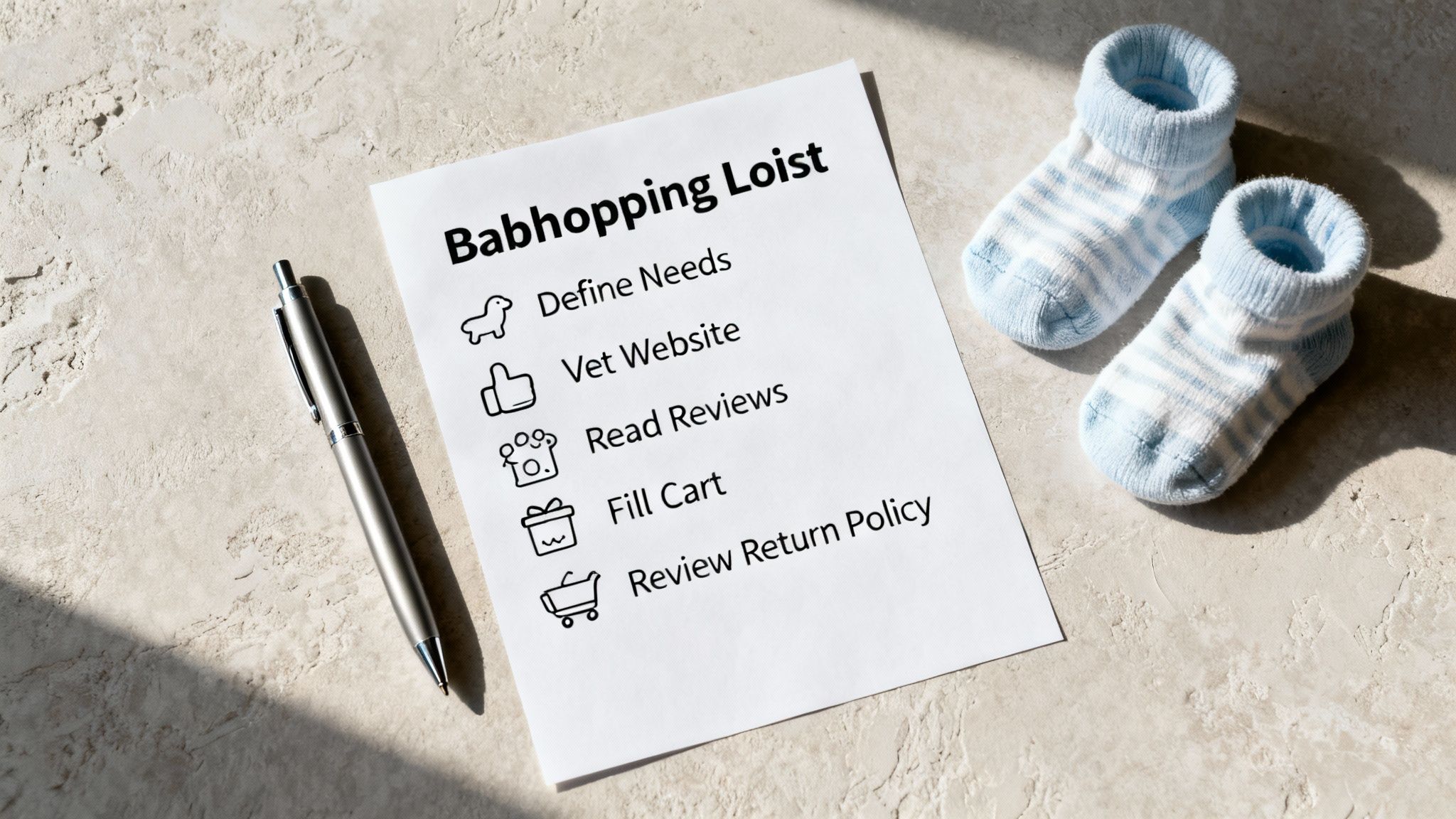
We've covered a lot of ground, from specific nutrients to picky eating strategies. Now it’s time to put it all together into a simple, repeatable process you can use every single day. Think of it as your game plan for turning what feels like an overwhelming task into a confident win for your child's health.
This isn’t just about making one healthy meal; it’s about building a foundation of wellness that saves you stress and helps your child thrive. Running through these steps will help you sidestep mealtime drama and focus on providing quality nutrition that your family actually enjoys.
Step 1: Define Your Plate
Before you even go to the store, take a minute to visualize a healthy plate. Getting specific from the get-go is the best way to ensure a balanced diet.
Aim for this simple breakdown at most meals:
- Half the plate: Fruits and vegetables (the more colors, the better).
- One quarter of the plate: Lean protein (chicken, fish, beans, tofu).
- One quarter of the plate: Whole grains or starchy vegetables (quinoa, brown rice, sweet potato).
- A side of healthy fat: A sprinkle of seeds, a slice of avocado, or food cooked in olive oil.
Step 2: Vet Your Pantry
Okay, you’re ready to cook. Before you start, do a quick quality check of your ingredients. I always look for what I call the "Four Pillars": whole foods that offer Vitamins & Minerals, lean Protein, complex Carbohydrates, and healthy Fats.
Pay attention to food labels, too. Can you easily identify the ingredients? Are there a lot of added sugars, sodium, or unpronounceable chemicals? A simple ingredient list is usually a good sign that the food is less processed and more nutritious.
Step 3: Research a Kid-Friendly Recipe
You’ve got great ingredients. Now it's time to find a recipe your child will actually eat.
Never, ever skip the comments section on a recipe. It is the single best way to get honest feedback on how a dish actually tastes and, more importantly, whether other kids enjoyed it. A quick scan can save you the huge headache of a rejected dinner.
Always double-check for age-appropriateness. For babies and toddlers, this means ensuring foods are cut into safe sizes and cooked until soft to prevent choking hazards.
Step 4: Prepare the Meal Strategically
This is the fun part! But even as you cook, do it with a plan. Try to involve your child in an age-appropriate way. Letting them stir, sprinkle, or even just watch can increase their interest in the final product.
Speaking of interest, make it look fun. A boring pile of food is less appealing than a smiley face made of veggies. Finally, remember your role. You provide the healthy food; they decide how much to eat. This gives you total peace of mind—and officially graduates you from a stressed-out cook to a savvy parent who's mastered the art of family nutrition.
Common Questions About Kids' Immunity and Nutrition
Navigating your child's nutrition for the first time can feel like you’re trying to solve a puzzle. You can't be sure they're getting enough vitamins, and it's hard to know which foods pack the most punch. Let's walk through some of the biggest questions that pop up when you're trying to build that little immune system.
How Do I Know If My Child Is Getting Enough Vitamins?
This is probably the biggest headache for parents. One day they love broccoli, the next they refuse anything green. It's a common, and completely frustrating, experience.
Here’s the trick: ignore the day-to-day and focus on the week-to-week. Seriously. A child's appetite and food preferences can fluctuate wildly. As long as you are consistently offering a wide variety of colorful fruits, vegetables, lean proteins, and whole grains throughout the week, they are likely getting what they need. If you have serious concerns, especially if your child has dietary restrictions, always consult your pediatrician.
Are Expensive Organic Foods Really Necessary?
It's easy to get sticker shock when you see the price of organic berries. Is it just marketing, or is there a real benefit? For a lot of parents, the peace of mind that comes from reducing pesticide exposure is worth the extra cost.
Think of it this way: organic produce is grown without synthetic pesticides and fertilizers. For foods where you eat the skin, like berries, apples, and leafy greens (the "Dirty Dozen"), choosing organic can significantly reduce your child's intake of these chemicals.
But it’s not always necessary. For produce with a thick, inedible peel like bananas, avocados, and oranges (the "Clean Fifteen"), conventional is often perfectly fine. The most important thing is that your child eats fruits and vegetables, whether they're organic or not.
What about Supplements like Vitamin Gummies?
It's tempting to reach for a gummy vitamin as an "insurance policy," especially with a picky eater. However, most healthy children who eat a reasonably varied diet do not need a multivitamin.
Keep these points in mind:
- Food First: The vitamins and minerals from whole foods are always more bioavailable (easier for the body to absorb and use) than those from synthetic supplements.
- Risk of Overdose: Some vitamins (like A, D, E, and K) are fat-soluble, meaning they can build up in the body to toxic levels if taken in excess. Gummy vitamins can look and taste like candy, increasing this risk.
- When to Consider: Your pediatrician may recommend specific supplements, like Vitamin D (especially for breastfed infants) or iron, if there's a demonstrated deficiency or specific dietary need. Always consult a doctor before starting any supplement.
Finding foods that are healthy, delicious, and can actually survive a toddler's changing tastes is the goal. At Yarafly.com, we design every piece with your child's comfort and your peace of mind at the forefront. Come see our playful and practical styles today at https://yarafly.com.