

on January 19, 2026
Welcome to the wonderful world of parenting, where nurturing your child's health is the top priority. While dressing them in adorable baby girl outfits is a joy, what goes inside their little bodies is even more crucial. A strong immune system is the best outfit they can wear, protecting them from everyday germs and setting them up for a vibrant, healthy life. This guide is here to be your friendly partner, helping you navigate the world of childhood nutrition to build a robust immune system from the ground up.
Fueling Growth: Your Guide to a Strong Immune System
We'll walk you through the essential vitamins and minerals your child needs and the best food sources to find them in. Our goal is to make feeding your little one nutritious, delicious, and stress-free. We’ll even share some fantastic smoothie recipes and clever meal ideas for those picky eaters, ensuring they get the goodness they need.
This focus on nutrition is a cornerstone of modern parenting. Parents today are more aware than ever of the link between diet and long-term health. The global market for baby food and infant formula was valued at a huge USD 23.5 billion in 2023 and is expected to climb to USD 35.8 billion by 2032, showing just how much families prioritize high-quality nutrition.
Why Every Bite Matters
Building a strong immune system in childhood is about so much more than just preventing the sniffles. It's about laying the foundation for lifelong wellness. Each meal, from their first purees to their toddler snacks, is an opportunity to provide the building blocks their bodies need to thrive. The right nutrients ensure they are ready for every new adventure, whether that’s a day at daycare or a big family get-together.
And when it comes to those special moments, like capturing memories in a what to wear for a newborn baby photoshoot, a healthy, happy baby shines brightest. A well-nourished child is more energetic, resilient, and ready to take on the world.
The secret to a strong immune system isn’t about complicated supplements—it’s about a consistent, colorful diet. If you put wholesome, nutrient-dense foods first, you'll have a healthy child and greater peace of mind.
Finding the Perfect Balance
A robust immune system is built on a balance of key nutrients:
- Vitamins: These are the spark plugs of the body, crucial for everything from fighting infection to repairing cells.
- Minerals: These are the essential building materials for strong bones, healthy blood, and proper nerve function.
- Whole Foods: This is the fun part! Offering a variety of fruits, vegetables, proteins, and healthy fats ensures a wide spectrum of nutrients.
Just as you thoughtfully select soft and practical [baby girl outfits] from a brand like Yarafly, applying the same care to their diet yields incredible benefits. Let's get you on your way to building that perfect nutritional blend.
How to Choose the Right Foods for a Strong Immune System
Walking into the world of kids' nutrition can feel overwhelming, but the core principles are simple. Think of your child’s plate as a painter’s palette—the more colors you include, the wider the range of nutrients they’ll receive. Different vitamins and minerals are found in different foods, so variety is your best friend.
Just like you might size up when buying clothes to prepare for a growth spurt—a common practice when understanding children's clothing sizes—thinking ahead with meal prep and stocking your pantry with immune-boosting staples ensures you're always ready to nourish your growing child.
Key Vitamins and Minerals for Kids' Immunity
Getting the hang of which nutrients do what is your first step to building a powerful diet for your little one. While a balanced diet is key, some vitamins and minerals are true immunity superstars.
Here are a few of the most important ones to focus on:
- Vitamin C: The classic immune booster, found in citrus fruits (oranges, clementines), strawberries, bell peppers, and broccoli.
- Vitamin D: Crucial for immune function. Found in fatty fish (salmon), egg yolks, and fortified milk or yogurt. Sunlight is also a great source!
- Zinc: A powerful mineral for fighting off viruses. Found in lean meats, beans, nuts, and whole grains.
- Iron: Essential for helping red blood cells carry oxygen. Found in red meat, spinach, lentils, and fortified cereals.
- Probiotics: These are "good bacteria" that support gut health, a cornerstone of immunity. Found in yogurt, kefir, and other fermented foods.
Thinking about how to build their diet? It’s all about balancing three key things.
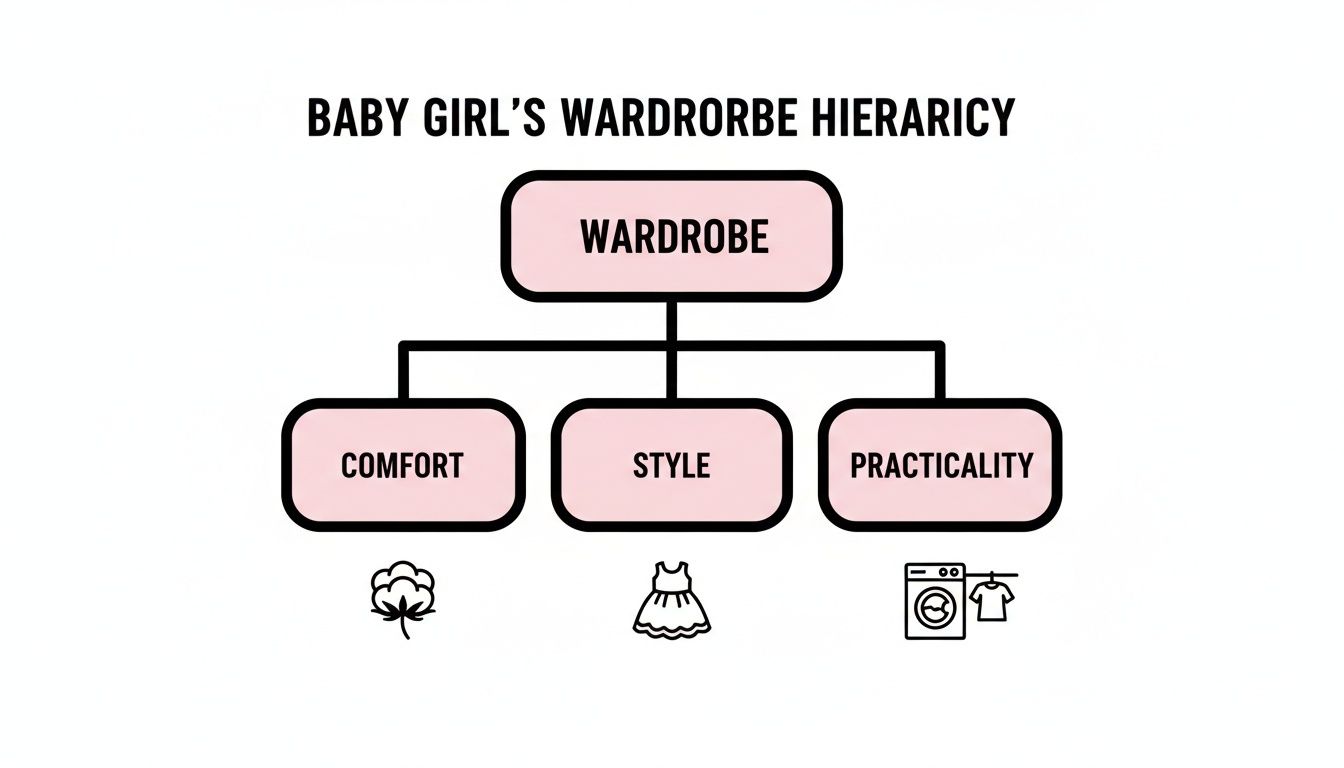
As you can see, the best diets for our little ones are built on a foundation of variety, nutrient density, and, of course, foods they enjoy.
Transitioning to Solid Foods
Just as your child moves from newborn clothing sizes into toddler gear, their nutritional needs evolve as they grow. Introducing solid foods around 6 months is an exciting milestone and a critical opportunity to introduce a wide range of flavors and nutrients.
When starting solids, focus on single-ingredient purees to identify any potential allergies. As they grow, you can introduce more complex textures and combinations. Think soft-cooked vegetables, mashed fruits, and iron-fortified cereals.
This transition from milk to solids is a foundational period for developing their palate and their immune system. Offering a rainbow of foods from the start can help prevent picky eating habits down the road.
Yarafly's Guide to Immune-Boosting Foods for Kids
Use this reference chart to easily incorporate powerful, immune-supporting foods into your child's daily meals.
| Nutrient | Age Range | Food Sources | How It Helps |
|---|---|---|---|
| Vitamin C | 6m+ | Oranges, strawberries, kiwi, bell peppers, broccoli | Fights infection, acts as an antioxidant |
| Vitamin D | All ages | Salmon, egg yolks, fortified milk & yogurt, sunlight | Regulates immune response |
| Zinc | 6m+ | Lean meat, poultry, beans, nuts (as butter), seeds | Helps immune cells function properly |
| Iron | 6m+ | Red meat, poultry, lentils, spinach, fortified cereal | Crucial for energy and immune cell production |
| Probiotics | 6m+ | Yogurt, kefir, fermented foods | Supports a healthy gut microbiome |
| Omega-3s | 6m+ | Salmon, chia seeds, walnuts (ground), flaxseed | Reduces inflammation |
| Vitamin A | 6m+ | Carrots, sweet potatoes, spinach, kale | Supports skin and tissue health |
| Vitamin E | 6m+ | Almonds (as butter), sunflower seeds, spinach | Powerful antioxidant |
By using this chart and remembering that variety is key, you can confidently build meals that support your child's health, just as you'd choose adorable and practical [baby girl outfits] from Yarafly for their comfort.
All About Healthy Recipes: Making Nutritious Food Fun
A child’s health isn't just about what you offer; it's about what they’ll actually eat. This is where creativity in the kitchen becomes one of the most important tools in your parenting toolkit. Making healthy food appealing and delicious is the secret to winning over even the pickiest of eaters.
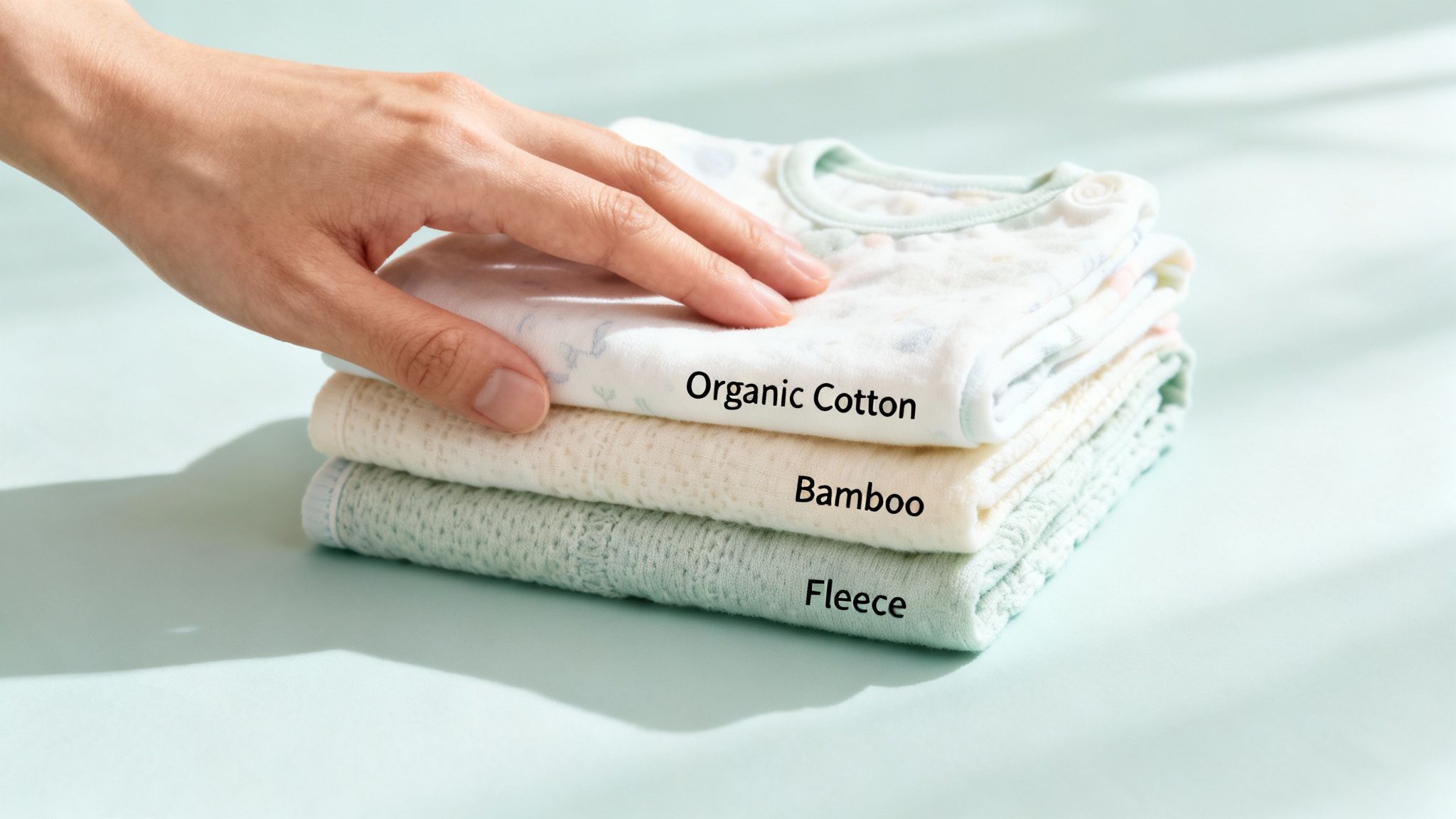
But it’s about more than just a tasty meal. The right preparation also ensures that the nutrients in the food are preserved and easily absorbed by their little bodies. Natural, whole foods are brilliant at providing the fuel they need, and preparing them simply is often the best approach. Just as you choose soft organic baby clothes to be gentle on their skin, choosing whole, unprocessed foods is gentle on their digestive systems.
Simple Smoothie Recipes for All Ages
Smoothies are a parent's secret weapon. They are an incredibly easy way to pack a huge nutritional punch into a delicious drink that kids love. You can blend fruits, vegetables, healthy fats, and protein into one simple serving.
- Sunshine Starter (6m+): Blend 1/2 banana, 1/4 cup mango chunks, 2 tbsp plain yogurt, and a splash of water or breastmilk until smooth. This is packed with Vitamin C and probiotics.
- Green Monster Toddler Smoothie (12m+): Blend a large handful of spinach, 1/2 frozen banana, 1/4 cup pineapple, 1 tbsp chia seeds, and 1/2 cup of milk (dairy or non-dairy). They'll love the sweet taste and fun color, and you'll love that they're drinking their greens!
- Berry Strong Kids Smoothie (2yrs+): Blend 1 cup mixed frozen berries, 1/2 cup Greek yogurt, 1 tbsp almond butter, and 1/2 cup milk. This smoothie is full of antioxidants, protein, and healthy fats.
At Yarafly, we’re a little obsessed with making things simple and effective for parents. These recipes are designed to be quick, easy, and packed with goodness, just like our easy-to-care-for clothes.
Fun Food Recipes for Picky Eaters
Knowing what to offer is half the battle; getting them to eat it is just as critical. Here are some kid-approved recipes that sneak in extra nutrients.
The global market for children's wellness products is set to grow significantly, with a projected increase of USD 35.4 billion between 2024 and 2029. This boom is fueled by parents who are more focused than ever on proactive health and nutrition for their kids.
To get your little one excited about healthy eating, try these ideas:
- "Hulk" Pancakes: Add a handful of spinach to your regular pancake batter and blend until smooth. The pancakes will turn a vibrant green! Serve with berries for an extra antioxidant boost.
- Hidden Veggie Meatballs: Finely grate zucchini and carrots and mix them into ground turkey or beef before forming meatballs. Simmer in a simple tomato sauce and serve with whole-wheat pasta.
- Rainbow Fruit Skewers: Thread colorful fruits like strawberries, orange segments, pineapple chunks, kiwi, and grapes onto skewers. Serve with a yogurt dip. Kids love eating food on a stick!
By making food fun and involving them in the preparation, you're doing more than just feeding your child—you're building a healthy relationship with food that will last a lifetime.
Building a Healthy Lifestyle for Every Season and Occasion
Putting together a healthy routine that works all year for your child isn't about a rigid diet plan. The real secret? Thinking smart. Focus on a variety of seasonal foods and create positive mealtime habits that can handle anything from a common cold to a family celebration. With just a little forethought, you’ll always have a healthy option ready to go, whether it's for a sunny day at the park or a snuggly winter morning at home.
This mindset of proactive wellness is something parents are embracing everywhere. It's fascinating to see how the baby apparel market has grown—it was valued at a huge USD 227 billion in 2024 and is expected to hit USD 350.30 billion by 2033. This boom is driven by parents wanting products, from clothes to food, that are safe, functional, and well-made. If you're curious, you can dive deeper into the baby apparel industry's growth and see what's driving these trends.
Sunny Days and Hydrating Summer Foods
When the sun is shining and the days get warm, it’s all about keeping your little one cool, hydrated, and energized. This is where water-rich fruits and vegetables become your absolute best friend.
Think of these as the foundation of their summer diet:
- Watermelon & Cucumber: These are the ultimate summer hydrators. Cut them into fun shapes or blend them into a refreshing drink.
- Berries: Strawberries, blueberries, and raspberries are packed with antioxidants and Vitamin C, perfect for supporting their immune system during active summer months.
- Yogurt Popsicles: A fantastic, healthy treat. Simply blend plain yogurt with fruit and freeze in popsicle molds. They provide probiotics, protein, and a cooling treat.
- Light Proteins: Think grilled chicken, fish, and beans. They provide sustained energy for all that running around without being too heavy.
Look for bright, colorful produce at your local market to really lean into that cheerful, sunny vibe.
Cozy Foods for Winter and Fall
Once the air gets a bit of a chill, it's time for warm, comforting foods that are packed with immune-boosting nutrients. The trick is to keep them nourished and resilient during cold and flu season.
Focus on these powerhouse ingredients:
- Root Vegetables: Carrots, sweet potatoes, and butternut squash are rich in Vitamin A, which is essential for a healthy immune system. Roast them to bring out their natural sweetness.
- Hearty Soups: Chicken noodle soup isn't just for comfort—the warm broth helps with hydration, and you can load it with veggies and protein. Lentil soup is another fantastic, iron-rich option.
- Citrus Fruits: Winter is peak season for oranges, grapefruit, and clementines. A daily dose of Vitamin C is one of the best defenses against winter bugs.
- Warm Spices: Spices like ginger, turmeric, and cinnamon have anti-inflammatory properties. Add a pinch to oatmeal, soups, or warm milk.
A real pro tip for winter wellness is to focus on gut health. A large portion of the immune system resides in the gut, so regularly including probiotic-rich foods like yogurt and kefir can make a big difference.
Healthy Choices for Special Occasions
From birthday parties to holiday get-togethers, you’ll have plenty of moments that are filled with tempting treats. You can still have fun while making healthier choices.
When you're navigating a special occasion, remember that balance is key. It's okay for them to have a piece of cake! To balance it out, you can bring a healthy, kid-friendly dish to share.
For those milestone events, think about options like:
- A colorful fruit platter arranged in a fun shape for a birthday party.
- "Ants on a log" (celery with nut butter and raisins) for a simple, healthy snack.
- Mini muffins made with whole wheat flour and sweetened with applesauce instead of sugar.
At the end of the day, just remember that building healthy habits is about consistency, not perfection. A happy, healthy child is what makes every memory truly perfect.
Creating a Mix and Match Healthy Eating Plan
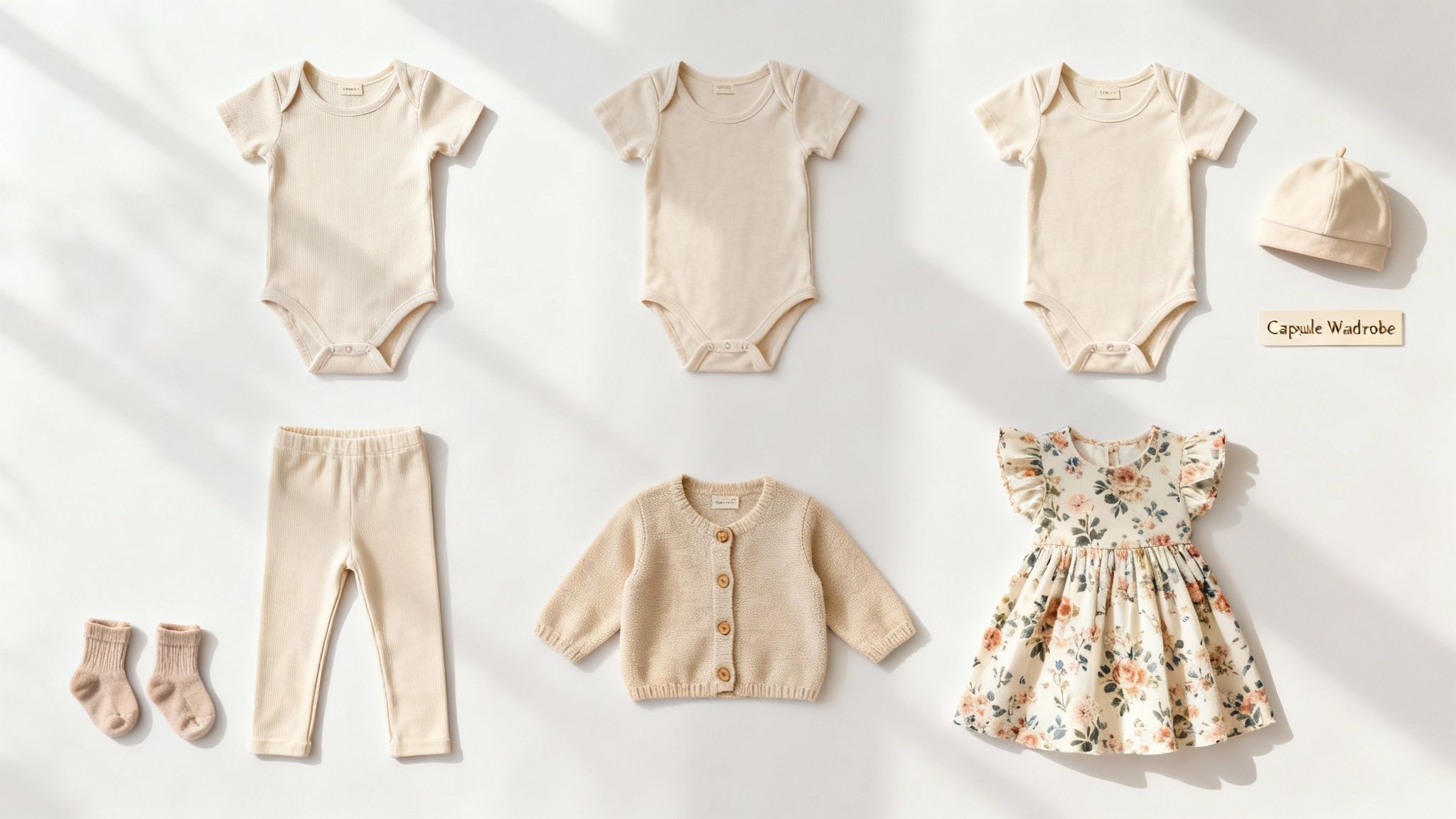
Picture a fridge and pantry where almost every single ingredient can be combined to make a quick, healthy meal. Mornings are suddenly calmer, meal prep shrinks, and you’re saving both time and money. This isn't a dream—it's the reality of a well-stocked kitchen, a thoughtful approach that makes feeding your child simple without sacrificing nutrition. For busy parents, this is the ultimate secret weapon for creating healthy meals, just as a capsule wardrobe helps with adorable baby girl outfits.
The core idea is to build a small, curated collection of versatile staples. These ingredients can be mixed and matched to create a surprisingly large number of unique meals and snacks. It’s like having a smart toolkit for your kitchen. Instead of feeling overwhelmed by complicated recipes, you have a go-to selection that guarantees a healthy, balanced meal is always just moments away.
Building Your Foundation with Healthy Staples
The heart of any great meal plan is a solid foundation of healthy basics. These are the absolute workhorses of your kitchen, offering endless versatility. Think whole grains, lean proteins, and a rainbow of fruits and vegetables—these food groups are your best friends because they pair beautifully with literally everything.
Start by gathering these essential items:
- Complex Carbs: Rolled oats, brown rice, quinoa, and whole-wheat bread provide sustained energy.
- Lean Proteins: Eggs, chicken breast, lentils, beans, and plain Greek yogurt are essential for growth and repair.
- Healthy Fats: Avocados, nuts and seed butters, and olive oil are crucial for brain development.
Having these foundational ingredients on hand means that no matter what you grab in a hurry, it’s going to be nutritious. It’s a simple trick that makes feeding your little one a quick and genuinely stress-free task.
Adding Variety with Seasonal Produce
Okay, now for the fun part! Once your pantry staples are set, it’s time to sprinkle in some variety with seasonal fruits and vegetables. This is where you bring in those vibrant colors, fresh flavors, and a wide array of vitamins and minerals. A few well-chosen seasonal items are all you need to keep meals feeling fresh and exciting.
Consider items like:
- Juicy berries and peaches in the summer for topping oatmeal or yogurt.
- A fun-shaped pasta from a brand like Yarafly that adds a playful touch to a simple veggie sauce.
- Crisp apples and hearty squash in the fall for roasting or making into soups.
The real secret is balance. A great meal plan often follows an 80/20 principle: about 80% of meals are built from those versatile staples, while the other 20% is for trying new recipes, seasonal treats, and fun foods. This ratio gives you the most mix-and-match power.
By adding just a few of these unique, seasonal items, you can create dozens of different combinations. That simple bowl of oatmeal suddenly feels brand new when you top it with fresh blueberries and a sprinkle of cinnamon.
The Essential Healthy Kitchen Checklist
Ready to stock up? This checklist covers the foundational items you’ll need for a practical and endlessly nutritious kitchen. The quantities are just suggestions—feel free to adjust them based on your family's preferences!
The Essential Healthy Kitchen
A checklist of foundational items to mix and match for practical and nutritious meals.
| Essential Item | Recommended Quantity (Pantry) | Recommended Quantity (Fridge/Freezer) | Mix-and-Match Ideas |
|---|---|---|---|
| Whole Grains | Oats, Quinoa, Brown Rice | Whole-wheat bread | Use as a base for meals, in porridge, or as a side dish. |
| Proteins | Lentils, Beans, Nut Butters | Eggs, Yogurt, Chicken, Fish | Add to soups, salads, pasta, or serve as a main. |
| Fruits | Applesauce (no sugar) | Berries, Bananas, Apples (fresh/frozen) | Perfect for snacks, smoothies, or topping yogurt/oats. |
| Vegetables | Canned tomatoes | Spinach, Carrots, Broccoli, Sweet Potatoes | Add to anything! Pasta sauces, omelets, soups, or roast. |
| Healthy Fats | Olive Oil, Chia/Flax Seeds | Avocado | Drizzle on veggies, add to smoothies, spread on toast. |
| Dairy/Alternatives | Shelf-stable milk | Milk, Cheese, Yogurt | Use in smoothies, for drinking, or as a protein source. |
| Snacks | Whole-grain crackers | Hummus, Cheese sticks | Pair staples for quick, balanced snacks. |
With these core ingredients from your grocery store, you'll have everything needed to assemble countless healthy and delicious meals, just like the practical and cute [baby girl outfits] you might find at Yarafly.
How to Shop Smart for Healthy Food
Alright, your head is probably spinning with all these healthy meal ideas. Now for the fun part: let's talk about how to make shopping for wholesome food easy and, dare I say, enjoyable. We know life is busy, so focusing on a plan can make your grocery trips efficient and budget-friendly. From amazing deals to a checkout process that won't make you pull your hair out, a little planning has got your back.
A great tip is to shop the perimeter of the grocery store first. This is where you'll find fresh produce, dairy, and lean proteins—the building blocks of a healthy diet. The inner aisles are often filled with processed foods, so making a targeted list helps you get the good stuff fast and avoid impulse buys.
Finding the Best Deals and Offers
Every parent knows the thrill of a good deal, and we love making that happen. Keep an eye out for seasonal sales on produce—it’s the perfect time to stock up. Buying fruits and vegetables in season is not only cheaper but also means they're at their peak flavor and nutritional value. Don't forget the frozen aisle—frozen fruits and veggies are just as nutritious as fresh and are great for your budget.
Smart shopping isn’t just about the lowest price tag. It's about getting the most nutritional value for your money. When you plan meals and shop sales, you get that perfect blend of value and quality.
To make sure you never miss a promotion, check your grocery store's weekly flyer or app. This can be your inside track to the best deals the moment they go live, similar to finding a great baby clothes sale.
A Shopping Experience You Can Trust
I get it—buying food for your family, especially with concerns about pesticides and additives, can feel like a gamble. It's tough to know what labels to trust. New tools are starting to tackle this problem; for instance, some apps can help you decode nutrition labels and ingredient lists. If you're curious about how that works, you can look up resources like the Environmental Working Group's guides. Just like how the ultimate guide to virtual dressing rooms is changing online clothes shopping, tech is also helping us make smarter food choices.
Here at Yarafly, we believe in making parents' lives easier, and that principle applies to all aspects of parenting. We build confidence with clear, quality products. When it comes to food, you can build your own confidence by:
- Reading Labels: Look for short ingredient lists with recognizable, whole-food ingredients.
- Choosing Organic When Possible: For produce on the "Dirty Dozen" list, choosing organic can reduce pesticide exposure.
With a focus on whole foods, smart shopping habits, and a little bit of planning, you can shop with confidence. We’re here to support you in making the experience of nourishing your family just as delightful as dressing them in cute clothes.
Your Top Questions About Kids' Nutrition, Answered
Even with a fridge full of healthy food, questions always pop up. It's totally normal! To help you out, I've gathered answers to some of the most common things parents ask about feeding their kids. Think of this as a little cheat sheet to make life easier.
How Many Meals and Snacks Does a Child Need?
This is the million-dollar question, isn't it? The real answer depends on their age and activity level.
For a toddler, a good rule of thumb is to offer 3 main meals and 2 healthy snacks per day. Their little stomachs can't hold much, so frequent, small meals work best to keep their energy levels stable. They grow so fast, so focus on nutrient-dense options rather than empty calories.
Once they're a bit older, 3 meals and 1-2 snacks is usually sufficient. The name of the game at this stage is balance and variety—you need to provide fuel that can keep up with their school days and adventures.
What Is the Best Way to Handle a Picky Eater?
Dealing with a picky eater is simpler than you'd think. The secret is patience and consistency. Continue to offer a variety of healthy foods without pressure. It can take 10-15 exposures to a new food before a child will try it.
I also recommend getting them involved in the kitchen. Let them wash veggies, stir ingredients, or use cookie cutters to make fun shapes. It’s an easy way to make food less intimidating. When it's time to eat, serve a "safe" food you know they like alongside the new food.
Pro Tip: Don't become a short-order cook. Prepare one healthy meal for the whole family. If they choose not to eat it, that's okay. They won't starve, and they will be more likely to eat at the next mealtime. This tiny step makes a huge difference in preventing power struggles over food.
What Should I Do if I'm Worried My Child Isn't Getting Enough Nutrients?
This is such a common concern! To ease your mind, focus on what your child eats over the course of a week, not just a single day. Their intake will naturally vary.
Think practical. Offer a variety of colorful foods from all the main food groups. A nutrient-packed smoothie is a fantastic choice because it’s both delicious and super useful for filling nutritional gaps. And one last thing: if you have serious concerns about your child's growth or diet, talking to your pediatrician or a registered dietitian is always a thoughtful touch.
Ready to build a nutritional foundation that’s as strong as it is delicious? While you're creating a precious wardrobe of baby girl outfits at Yarafly, remember that the best gift you can give is a lifetime of health. Visit https://yarafly.com to find the perfect look for every little moment.