

on January 09, 2026
As a parent, keeping your child healthy and happy is priority number one. While you can't prevent every sniffle or scrape, building a strong immune system from the inside out is one of the most powerful things you can do. A child's immunity is a complex system that develops over time, and the vitamins and minerals they get from food are the essential building blocks for its strength.
This guide will walk you through the key nutrients your child needs and offer simple, delicious recipes—from immunity-boosting smoothies to meals even the pickiest eaters will love.
Understanding Your Child's Developing Immune System

A child's immune system is a remarkable work in progress. When they're born, babies have a "passive immunity" passed on from their mother, but this gradually fades. As they grow, their bodies learn to fight off germs by creating their own antibodies. This process is supported by a healthy lifestyle, adequate sleep, and, most importantly, a nutrient-rich diet.
Proper nutrition provides the fuel for immune cells to function correctly. Without the right vitamins and minerals, the body's defense mechanisms can't work at full capacity, leaving your child more vulnerable to common illnesses. This foundation is as important as choosing the best baby safe cleaning products or gentle baby clothes soap for their skin.
Why Whole Foods Are Better Than Supplements
In the world of parenting, it's easy to get swayed by promises of "immunity-boosting" supplements. However, for most children, the best source of vitamins and minerals is whole foods. Nutrients from food are more easily absorbed by the body because they come packaged with fiber, enzymes, and other beneficial compounds that work together.
Key immune-supporting nutrients include:
- Vitamin C: An antioxidant that helps produce white blood cells. Found in oranges, strawberries, bell peppers, and broccoli.
- Vitamin D: The "sunshine vitamin" is crucial for immune cell function. Found in fatty fish, fortified milk, and eggs.
- Zinc: Helps the immune system fight off invading bacteria and viruses. Found in beans, nuts, lean meats, and whole grains.
- Iron: Essential for helping red blood cells carry oxygen throughout the body, which is vital for immune cell health. Found in spinach, lentils, and red meat.
- Probiotics: These are "good bacteria" that support gut health, where a large part of the immune system resides. Found in yogurt and kefir.
Focusing on a balanced diet filled with colorful fruits and vegetables ensures your child gets a wide spectrum of these essential nutrients. It's a philosophy that pairs well with choosing natural things for your child, like soft organic baby clothes.
According to the American Academy of Pediatrics, a balanced diet is the best way to deliver vitamins to healthy children. While certain supplements may be necessary for specific deficiencies, the synergy of nutrients found in whole foods is unmatched for building a resilient immune system.
Power-Packed Smoothies for All Ages
Smoothies are a fantastic way to pack a nutritional punch, especially for kids who might be resistant to eating their greens or trying new fruits. They are quick, easy, and can be tailored for babies, toddlers, and older kids.
The key is to blend immune-boosting ingredients into a delicious drink they'll actually ask for. Remember to introduce new ingredients one at a time for babies to watch for any potential allergies.
This shift towards nutrient-dense foods is part of a larger wellness trend. European consumer surveys show that roughly 45–55% of new parents are willing to pay more for organic and nutrient-rich foods. This growing demand reflects a greater understanding of how diet impacts long-term health. You can read more about these market trends on intelmarketresearch.com.
The "Sunshine Starter" Smoothie (6+ months)
This creamy, gentle smoothie is perfect for babies starting on solids. It's packed with Vitamin C and healthy fats.
Ingredients:
- 1/4 cup ripe mango chunks
- 1/4 ripe banana
- 1 tablespoon plain whole-milk yogurt (for probiotics)
- A splash of water or breast milk/formula to thin
Instructions:
Blend all ingredients until completely smooth. Serve in a bottle, sippy cup, or with a spoon.
The "Green Guardian" Smoothie (Toddlers & Kids)
This smoothie hides a healthy dose of spinach, but the sweet fruits make it a kid-approved favorite. It's loaded with iron, Vitamin C, and antioxidants.
Ingredients:
- 1 large handful of fresh spinach
- 1/2 cup pineapple chunks (frozen works great!)
- 1/2 orange, peeled
- 1/4 cup plain Greek yogurt
- 1/2 cup water or almond milk
Instructions:
Blend spinach and liquid first until smooth. Then, add the remaining ingredients and blend until creamy.
A truly healthy smoothie isn't just about what it includes—it's about what it leaves out. Avoid adding sugar, honey (for kids under 1), or fruit juices, which add empty calories. Let the natural sweetness of the fruit shine through.
The "Berry Shield" Smoothie (All Ages)
Berries are antioxidant powerhouses, making this a go-to for fighting off free radicals and supporting immune health.
Ingredients:
- 1/2 cup mixed berries (strawberries, blueberries, raspberries)
- 1/2 banana
- 1/4 cup milk of your choice (dairy or non-dairy)
- 1 tablespoon chia seeds (for omega-3s and fiber)
Instructions:
Blend all ingredients until smooth. For a thicker, ice-cream-like treat, use frozen berries and bananas.
Kid-Friendly Recipes for Picky Eaters
Getting a picky eater to try new, healthy foods can feel like a battle. The secret is to make nutritious food fun, familiar, and pressure-free. These recipes hide veggies and other immune-boosting ingredients in kid-friendly formats.
Many guides on child-safe cleaning products highlight the importance of creating a healthy home environment, and a healthy diet is a core part of that.
Keep these tips in mind:
- Involve Them: Let kids help wash veggies, stir batter, or press cookie cutters. They're more likely to eat what they helped make.
- Make it Fun: Use cookie cutters to make shapes, create faces on their plates, or give foods fun names like "dinosaur trees" for broccoli.
- Serve Dips: Many kids will eat anything if they can dip it. Hummus, yogurt dip, or guacamole are great options for veggies.
Immune-Boosting Recipe Checklist
This table breaks down some recipe ideas focused on immune-supporting ingredients.
| Recipe Idea | Key Immune-Boosting Ingredient(s) | Why Kids Love It |
|---|---|---|
| "Hidden Veggie" Meatballs | Grated zucchini, carrots, spinach | Familiar, bite-sized, and perfect for dipping |
| Sweet Potato "Fries" | Sweet potatoes (rich in Vitamin A) | Looks like fries, but with a sweet taste and more nutrients |
| Chicken & Veggie Skewers | Chicken (Zinc), bell peppers (Vit C), zucchini | Fun to eat off a stick and colorful |
| Broccoli & Cheese "Tots" | Broccoli (Vit C), cheese, whole wheat breadcrumbs | Cheesy, dippable, and a great alternative to potato tots |
By focusing on familiar formats, you can introduce a variety of nutrients without overwhelming a picky palate.
A Practical Guide to Building a Healthy Plate
Once you have some recipes in your back pocket, it helps to have a simple framework for daily meals. You don't need to be a nutritionist, but understanding the basics of a balanced plate can make meal planning much easier.
The sheer volume of parenting advice can be overwhelming. With trends constantly changing, from clothing to food, it's easy to get lost. The global market for baby clothes, for example, is expected to hit 11.9 billion pieces by 2029. Just as you focus on quality fabrics, focusing on quality foods is key. To get a better sense of market trends, you can explore the latest baby clothing statistics.
The Building Blocks of an Immune-Friendly Meal
Aim to include a source of protein, a healthy carb, and plenty of colorful fruits and veggies at every meal.
- Protein Power: Protein is essential for building and repairing tissues, including immune cells. Think lean meats, poultry, fish, eggs, beans, and lentils.
- Complex Carbs: These provide sustained energy. Choose whole grains like oatmeal, brown rice, quinoa, and whole-wheat bread.
- Eat the Rainbow: Different colored fruits and vegetables contain different vitamins and phytonutrients. Aiming for a variety of colors (red peppers, green spinach, orange carrots, purple blueberries) ensures a broad range of immune support.
Mastering Healthy Snacking
Snacks are a big part of a child's diet, and they're a perfect opportunity to sneak in more nutrients.
- Swap Sugary Snacks: Instead of cookies or crackers with added sugar, offer apple slices with nut butter, a small bowl of yogurt with berries, or a handful of trail mix (for older kids).
- Prep Ahead: Have healthy options ready to go. Wash and cut veggies and store them in the fridge for easy access. Hard-boil a few eggs at the beginning of the week.
- Listen to Hunger Cues: Don't force snacks if your child isn't hungry. A structured meal and snack schedule can help regulate their appetite.
For more deep-dive tips on caring for your child, including their clothing, check out our guide on how to care for your child's clothes with washing and maintenance tips.
A Visual Guide to Healthy Eating
This simple process flow can help you remember the steps to building a healthier diet for your child.
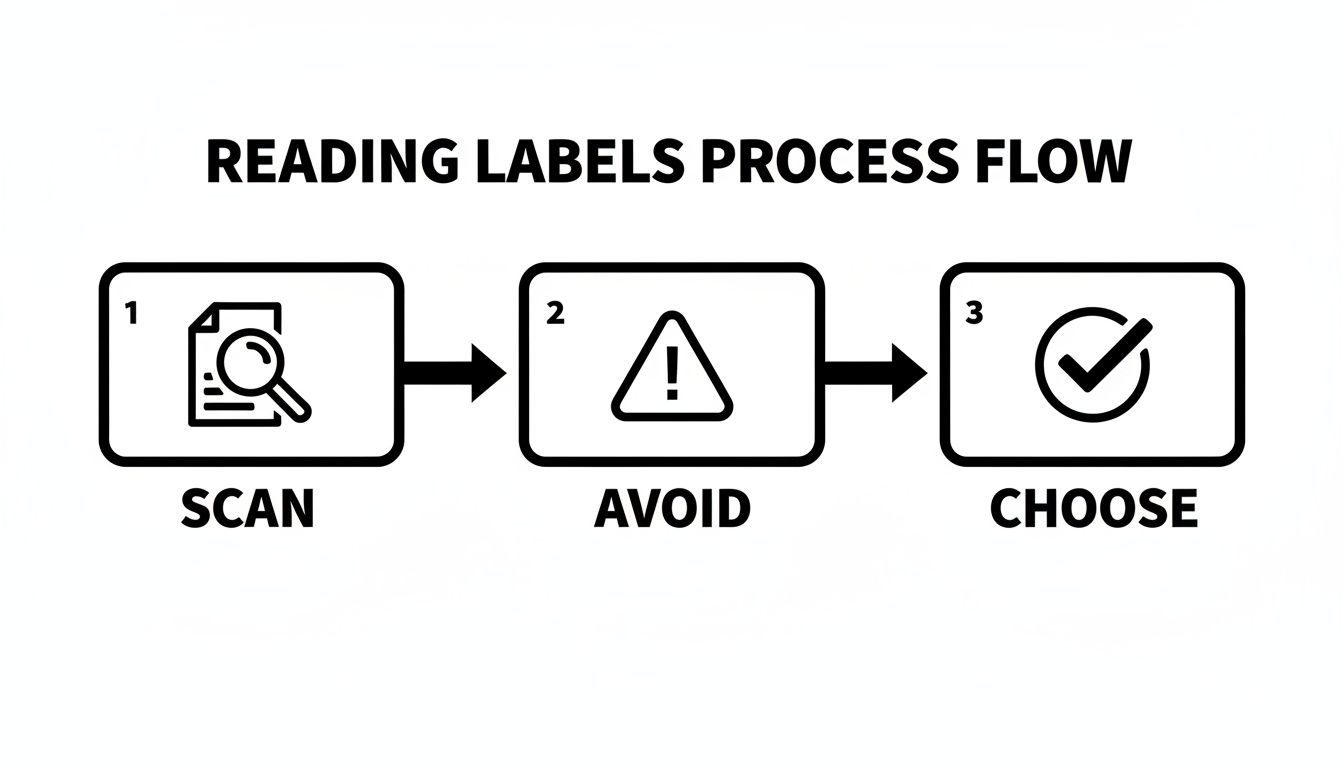
This visual is a handy cheat sheet: scan for added sugars, avoid processed foods, and choose whole, nutrient-dense options every time.
Pro-Tip: Don't stress about a single meal. Look at your child's diet over the course of a week. If they have a picky day, they will likely make up for it on another. Consistency and offering healthy choices are what matter most.
Hydration and Sleep: The Unsung Heroes of Immunity
While food gets most of the attention, two other crucial factors play a massive role in your child's immune health: hydration and sleep. Without enough of these, even the best diet can't do its job properly.
Rushing through the day can mean these basics get overlooked. But just like proper drying and storage protects the fibers of your child's favorite onesie, proper rest and hydration protect the foundations of their health.
The Importance of Staying Hydrated
Water is essential for almost every bodily function, including the immune response. It helps carry nutrients to cells, flush out toxins, and keeps the mucous membranes in the nose and throat healthy—their first line of defense against germs.
How Much Water Do Kids Need?
This varies by age, activity level, and climate, but a general guideline is:
- Toddlers (1-3 years): About 4 cups of beverages per day, including water and milk.
- Preschoolers (4-8 years): About 5 cups.
- Older Kids: 7-8 cups.
Tips for Encouraging Drinking:
- Make it Fun: Let them pick out a special water bottle with their favorite character.
- Infuse It: Add slices of orange, cucumber, or a few berries to a pitcher of water to add a hint of flavor without sugar.
- Lead by Example: If your kids see you drinking water throughout the day, they're more likely to do it too.
My favorite strategy is to make "water breaks" part of the routine—one before we leave the house, one after playing outside, and one with every meal and snack. This builds a lifelong habit.
The Power of a Good Night's Sleep
Sleep is when the body rests, repairs, and produces important immune cells called cytokines. When a child doesn't get enough sleep, their body produces fewer of these protective cells, making them more susceptible to getting sick when exposed to a virus.
Recommended Sleep by Age:
- Infants (4-12 months): 12-16 hours (including naps)
- Toddlers (1-2 years): 11-14 hours (including naps)
- Preschoolers (3-5 years): 10-13 hours (including naps)
- School-Age (6-12 years): 9-12 hours
For more in-depth ideas on creating routines and organization for your little one, check out our ultimate parent's guide to smart storage solutions for kids' clothes. It’s packed with practical tips that make life easier.
When to Talk to Your Pediatrician
Even with the best diet and healthy habits, kids will get sick. It's a normal part of their immune system developing. However, there are times when you should consult your pediatrician for guidance.

Think of it like a patch test for their health. You observe, and if you notice something concerning or persistent, you seek professional advice. It's always better to be cautious and get an expert opinion.
Signs It's Time to Call the Doctor
Constant worry is part of the parenting job description, but knowing what warrants a call to the doctor can provide some peace of mind.
Reach out to your pediatrician if you notice:
- Extreme Picky Eating: Your child's picky eating is leading to weight loss, low energy, or they are eliminating entire food groups.
- Potential Allergies: You suspect a food allergy (signs can include hives, swelling, trouble breathing, or digestive issues after eating a specific food).
- Frequent Illnesses: Your child seems to be sick more often than their peers or has trouble recovering from common colds.
- Concerns About Growth: You're worried about their growth or development.
Your doctor can rule out any underlying issues, check for nutritional deficiencies, and provide tailored advice for your child's specific needs.
Recognizing Nutritional Deficiencies vs. Normal Toddler Behavior
It can be hard to tell if your child's low energy is from a poor night's sleep or something more. This table can help you differentiate.
| Symptom | Could Be a Nutritional Concern If... | Could Also Be... |
|---|---|---|
| Low Energy/Fatigue | It's persistent throughout the day, even after good sleep. | A growth spurt, a common cold coming on, or just a "toddler crash." |
| Pale Skin | Their skin, lips, and nail beds are consistently paler than usual (potential sign of iron deficiency). | Just their natural complexion. |
| Frequent Colds | They are catching every bug that goes around and illnesses linger for weeks. | Normal exposure from starting daycare or preschool. |
If you have a strong suspicion that there's a nutritional gap, the first thing to do is keep a food diary for a week to share with your pediatrician. This gives them a clear picture of what your child is actually eating.
Of course, if your child has a high fever, is having trouble breathing, or just seems unwell in a way that worries you, trust your parental instinct and seek medical care right away.
Your Top Questions About Kids' Nutrition, Answered
Navigating the world of children's nutrition can feel complicated. Between old wives' tales and conflicting advice online, it's easy to feel confused. Let's clear up some of the most common questions parents have about feeding their kids for a strong immune system.
Do I Need to Buy All Organic Foods?
This is a great question, and the answer is: do what works best for your family and budget. The primary benefit of organic produce is reduced exposure to pesticides. While this is a valid consideration, the nutritional difference between organic and conventionally grown produce is minimal.
The most important thing is that your child eats plenty of fruits and vegetables, whether they're organic or not. If you want to prioritize, consider using the "Dirty Dozen" and "Clean Fifteen" lists from the Environmental Working Group (EWG). This can help you decide where to spend your organic dollars on the produce most likely to have pesticide residue. A diet rich in any kind of produce is far better than a limited diet of only organic options.
How Can I Get My Child to Eat More Vegetables?
This is the million-dollar question for many parents. There's no magic bullet, but consistency and creativity are key.
First, reduce the pressure. Don't make it a battle. Simply offer a small portion of a vegetable with every meal. It can take 10-15 exposures before a child will even try a new food. In the meantime, "hiding" veggies is a great strategy. Grate zucchini or carrots into pasta sauce, blend spinach into smoothies, or mash cauliflower into potatoes. Also, lead by example! Make sure your child sees you eating and enjoying vegetables regularly.
Are Juice and "Kid-Friendly" Drinks Healthy?
This one’s a hard pass. I always recommend skipping fruit juice, even if it's 100% juice. It's essentially sugar and water without the beneficial fiber of the whole fruit. Fiber is crucial for gut health and helps prevent blood sugar spikes.
Pro Tip: For a simple, healthy drink, stick to water and milk. If your child wants something flavored, try sparkling water with a splash of real fruit juice or infuse a pitcher of water with fruit slices. This gives them flavor without the sugar load.
Many "kid-friendly" pouches, yogurt drinks, and snack bars are packed with added sugars. Always read the label and aim for products with minimal ingredients and no added sugar to support a healthy immune system.
At Yarafly.com, we believe that nurturing children starts with a foundation of health and comfort. Just as a good diet builds them up from the inside, soft, high-quality clothing keeps them comfortable on the outside. You can explore our adorable and practical apparel at https://yarafly.com.